Story Structure — 4 Plot Phases
The Mission Begins
Youssou N'Dour accepts the challenge to collect a jazz repertoire and departs with pianist Moncef Genoud. The expedition sets out to trace the musical trail left by enslaved people.
Key Events
-
Mission Declaration — Youssou N'Dour accepts the challenge to bring jazz back to Africa.
Location: Dakar, Senegal
-
Meeting the Guide — Youssou N'Dour teams up with pianist Moncef Genoud for the journey.
Location: Recording Studio
-
Departure to America — The expedition officially begins with travel to the United States.
Location: Airport
Tracing Jazz Roots
The journey moves through the United States, where collaborations with exceptional musicians and historical site visits deepen the musical collection. Encounters with notable figures highlight jazz's cultural significance.
Key Events
-
Tracing Jazz Roots — Exploring the origins of jazz music in its birthplace.
Location: New Orleans, USA
-
Musical Collaboration — Recording sessions with world-class musicians to compile the repertoire.
Location: American Studio
-
Encountering Figures — Meeting notable figures to discuss the historical impact of jazz.
Location: Cultural Venue, USA
Cross-Continental Dialogues
Traveling to Europe, the team stages concerts and engages in debates about cultural division. The music begins to bridge gaps as international audiences and figures respond to the repertoire.
Key Events
-
Encountering Figures — Meeting notable figures to discuss the historical impact of jazz.
Location: Cultural Venue, USA
-
Crossing to Europe — The journey transitions from America to European cultural hubs.
Location: Transatlantic Route
-
European Concert — Performing the compiled jazz repertoire for European audiences.
Location: Paris, France
-
Cultural Debates — Engaging in intellectual discussions about cultural division and music.
Location: European Forum
-
Historical Context Narration — Voiceover explains the trail left by slaves and the invention of jazz.
Location: Travel Montage
Return to Gorée
The expedition arrives at Gorée Island, the symbolic heart of the slave trade. A final concert and commemoration ceremony honor victims, proving that music transcends historical and cultural boundaries.
Key Events
-
Cultural Debates — Engaging in intellectual discussions about cultural division and music.
Location: European Forum
-
Return to Africa — The expedition concludes its travel phase and heads back to Africa.
Location: West African Coast
-
Arrival at Gorée — Youssou N'Dour arrives at the symbolic island of the slave trade.
Location: Gorée Island
-
Visiting House of Slaves — Reflecting on the brutal history commemorated by the island.
Location: House of Slaves, Gorée
-
Gathering Local Musicians — Preparing for the final performance by uniting local and traveling musicians.
Location: Gorée Stage
-
The Final Concert — Performing the jazz repertoire to commemorate victims and transcend divisions.
Location: Gorée Amphitheater
-
Commemoration Ceremony — Honoring the enslaved ancestors through music and silence.
Location: Gorée Memorial Site
-
Music Transcends Boundaries — The performance successfully bridges cultural and historical divides.
Location: Gorée Island
-
Audience Reflection — Attendees process the emotional and historical weight of the journey.
Location: Gorée Audience Area
-
Legacy Documentation — Archiving the final performances and debates for historical record.
Location: Gorée Studio
-
Journey Conclusion — The documentary closes with reflections on the completed mission.
Location: Gorée Island
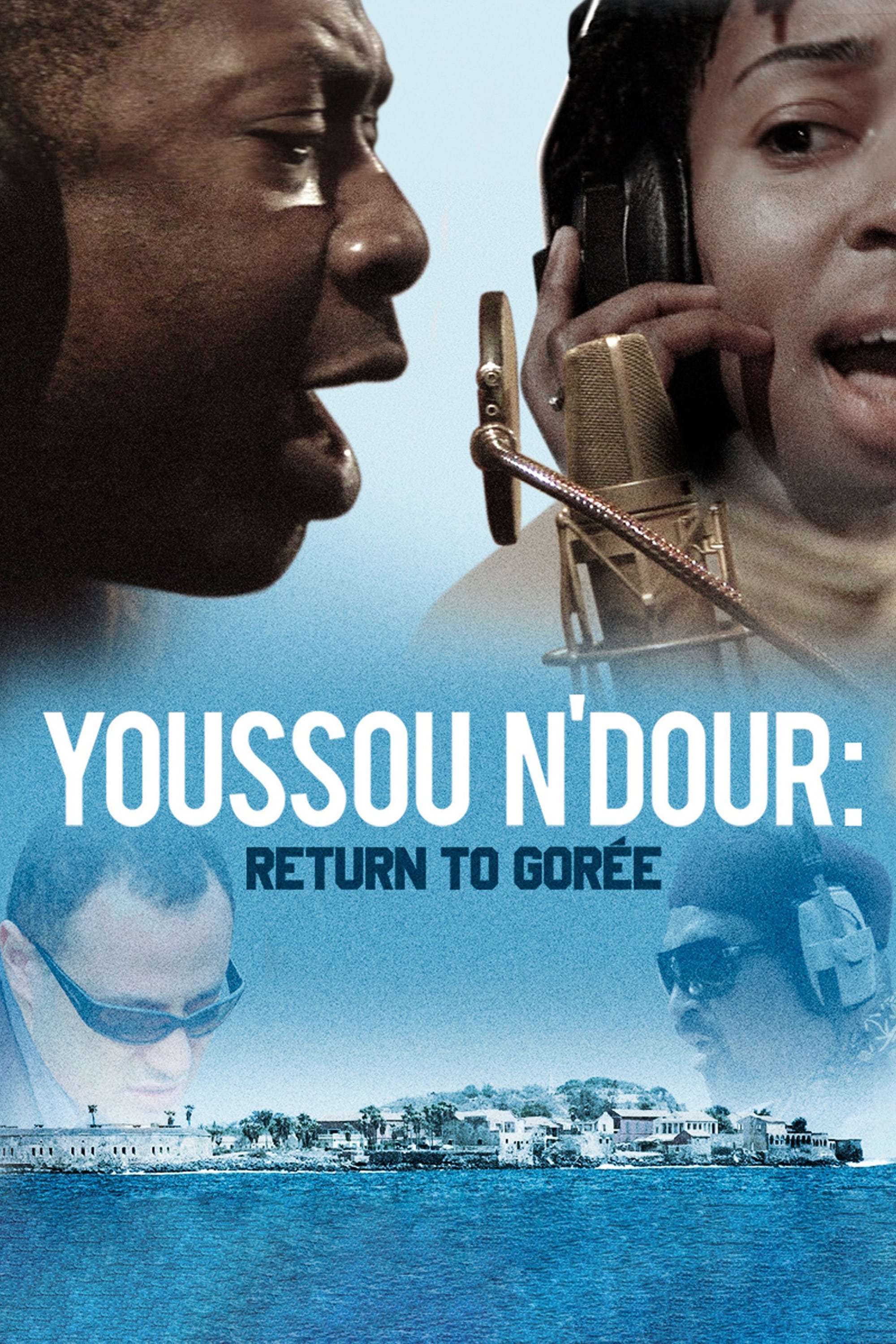
Because jazz is the miraculous product of the horror of slavery, Youssou N'Dour returned to the slave route and the music they created, in search of new inspiration. Accompanied by the blind Swiss pianist Moncef Genoud and the Director of the Gorée House of Slaves Museum, Joseph N'Diaye, the Senegalese singer wrote new songs during this initiatory voyage which took him to the USA then to Europe. At Gorée, an island just off the Senegalese coast and symbol of the slave trade, his memorable concert marked the end of this quest and the start of a new challenge: making today's generation aware of the tragedy of slavery, the importance of not forgetting and the need for reconciliation.