Story Structure — 4 Plot Phases
Production Foundations
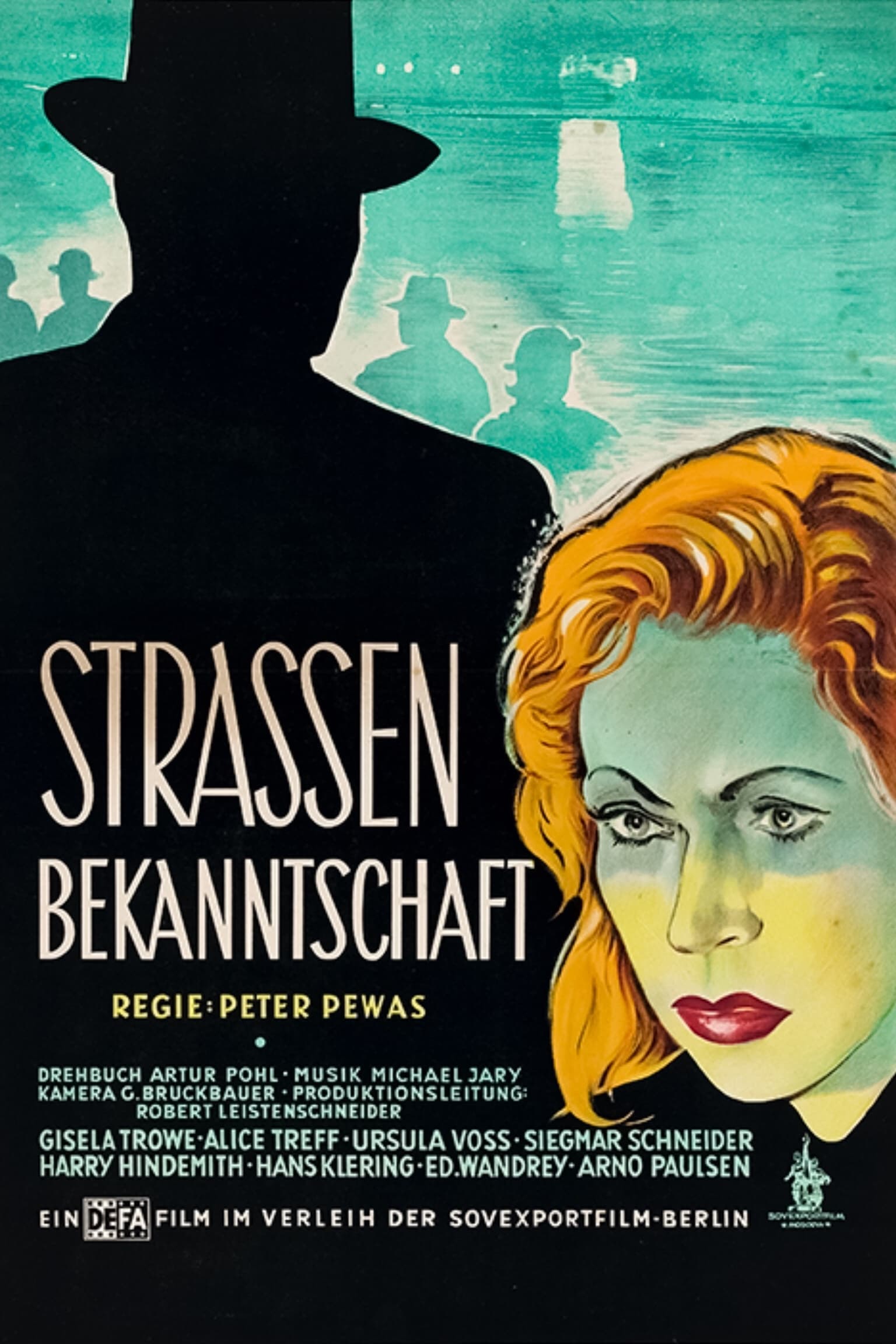
The film is introduced as a 1948 German drama directed by Peter Pewas, produced by DEFA studios in the Soviet Zone with art direction by Wilhelm Depenau.
Key Events
-
Film Introduction — Introduction of the 1948 German drama film and its primary creative team.
Location: Germany
-
Director Credit — Peter Pewas takes on the directorial role for the drama.
Location: Production Office
-
Lead Cast Assembly — Three lead actresses are selected to star in the film.
Location: Casting Studio
-
DEFA Production — Film production initiated under Communist-controlled DEFA studios.
Location: Soviet Zone of Germany
-
Babelsberg Shooting — Primary filming conducted at the historic Babelsberg Studios.
Location: Babelsberg Studios
Artistic & Thematic Core
The narrative explores venereal disease dangers through a stylistic blend of Italian neorealism and Weimar era traditions, shot across Berlin locations.
Key Events
-
Babelsberg Shooting — Primary filming conducted at the historic Babelsberg Studios.
Location: Babelsberg Studios
-
Berlin Location — Additional scenes shot on location around Berlin.
Location: Berlin City
-
Art Direction — Wilhelm Depenau designs the film's visual sets and environments.
Location: Set Design Room
-
Neorealism Style — Film adopts a style resembling Italian neorealist films of the era.
Location: Cinematic Context
-
Weimar Tradition — Narrative returns to the more traditional style of the Weimar era.
Location: Cinematic Context
Dual Territory Release
The film is distributed simultaneously across both future West and East Germany, navigating post-war political divisions.
Key Events
-
Disease Theme — The film portrays the dangers of spreading venereal disease.
Location: Narrative Core
-
West Release — Film released in the future West Germany.
Location: West Germany
-
East Release — Film released in the future East Germany.
Location: East Germany
Commercial Triumph
Audiences embrace the film, resulting in over 6.4 million ticket sales and cementing its status as a popular cultural hit.
Key Events
-
Box Office Success — Film achieves massive popularity, selling over 6.4 million tickets.
Location: German Cinemas
-
Cultural Hit — Establishment of the film as a popular hit across divided territories.
Location: Post-War Germany
-
Historical Legacy — Recognition of the film's place in 1948 German cinema.
Location: Film History
The film centres around the young woman Erika, desperately seeking for love and escape from the depression of the times, drifting, and in the end becoming involved with a circle of rich people who sell goods for sexual favours.