Story Structure — 4 Plot Phases
Wartime Production Context
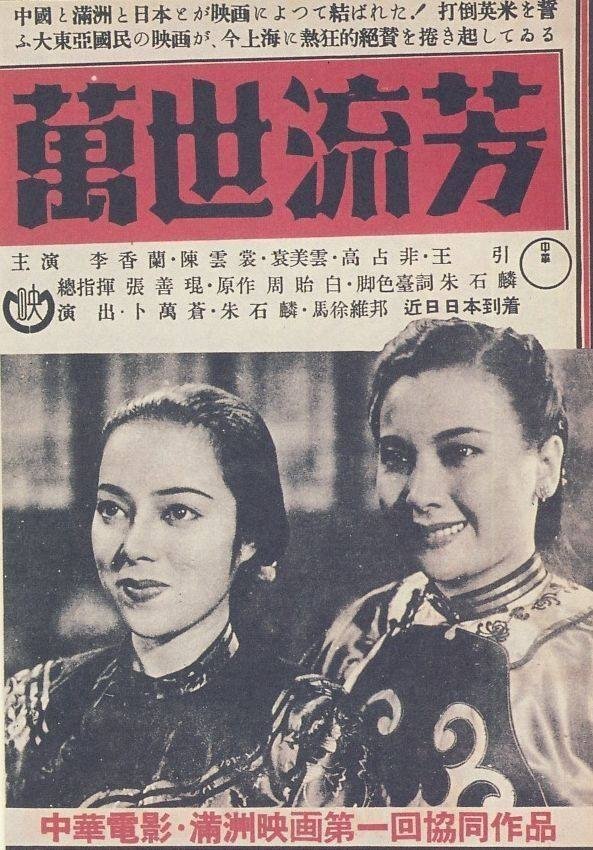
The film emerges from Japanese-occupied Shanghai during WWII, forged through a complex collaboration between Manchukuo Film Association and Zhonglian Productions. Filmmakers navigate strict political boundaries while attempting to create a culturally resonant work.
Key Events
-
Wartime Shanghai Setting — Film set in Japanese-occupied Shanghai during WWII
Location: Shanghai
-
Manchukuo Collaboration — Japanese-controlled studio partners with local filmmakers
Location: Manchukuo Film Association
-
Zhonglian Productions Involvement — Chinese filmmakers operate under United China brand
Location: Zhonglian Productions
-
Lin Zexu Storyline — Film depicts First Opium War historical figure
Location: Historical Setting
-
Dual Ideological Design — Producers craft ambiguous narrative stance for all viewers
Location: Production Office
-
Producer Strategy Meeting — Kawakita Nagamasa and Zhang Shankun plan release strategy
Location: Kawakita & Zhang Office
Ideological Dualism
Producers Kawakita Nagamasa and Zhang Shankun deliberately design the narrative to accommodate opposing ideological readings. The story of Lin Zexu and the First Opium War becomes a vessel for ambiguous political messaging.
Key Events
-
Producer Strategy Meeting — Kawakita Nagamasa and Zhang Shankun plan release strategy
Location: Kawakita & Zhang Office
-
Japanese Audience Reception — Viewed as anti-Western propaganda by Japanese spectators
Location: Japanese Theaters
-
Co-Prosperity Sphere Promotion — Aligns with Japanese imperial anti-colonial narrative
Location: Japanese Media
-
Chinese Audience Reception — Interpreted as anti-Japanese resistance by Chinese viewers
Location: Chinese Theaters
-
Historic Audience Milestone — Gains largest audience in Chinese cinema history
Location: Shanghai Cinemas
-
Post-War Political Shift — War ends, political climate turns hostile to collaborators
Location: Post-War China
Release & Reception
Upon release, the film achieves unprecedented popularity, drawing massive audiences across different demographic lines. Japanese viewers interpret it as anti-Western propaganda, while Chinese audiences embrace it as a symbol of resistance.
Key Events
-
Post-War Political Shift — War ends, political climate turns hostile to collaborators
Location: Post-War China
-
Enemy Tool Accusation — Film and crew labeled as enemy instruments
Location: Public Discourse
-
Director Bu Wancang Focus — Key director faces post-war political scrutiny
Location: Production Studio
-
Director Ma-Xu Weibang Focus — Second director faces mounting political pressure
Location: Production Studio
-
Director Zhu Shilin Focus — Third director faces production backlash and scrutiny
Location: Production Studio
-
Relocation to Hong Kong — Filmmakers flee Shanghai to escape political hostility
Location: Hong Kong
Post-War Aftermath
Following the war, the political landscape shifts dramatically, casting the production team in a negative light. Directors and crew face hostility, prompting many to relocate to Hong Kong to escape persecution.
Key Events
-
Relocation to Hong Kong — Filmmakers flee Shanghai to escape political hostility
Location: Hong Kong
-
Escaping Hostile Climate — Crew leaves occupied territory for regional safety
Location: Border Crossing
-
Historical Film Preservation — Film remains notable wartime cultural artifact
Location: Film Archives
-
Complex Production History — Multi-studio wartime collaboration documented
Location: Cinema History
-
Narrative Ambiguity Legacy — Film dual meaning endures in modern historical study
Location: Academic Analysis
The life and story of Lin Zexu and the First Opium War.