Plot Analysis Summary
An experimental documentary blending rock music recording, political commentary, and meta-cinematic observation to critique 1968 societal chaos.
Story Structure — 4 Plot Phases
Studio Chaos and Lyric Evolution
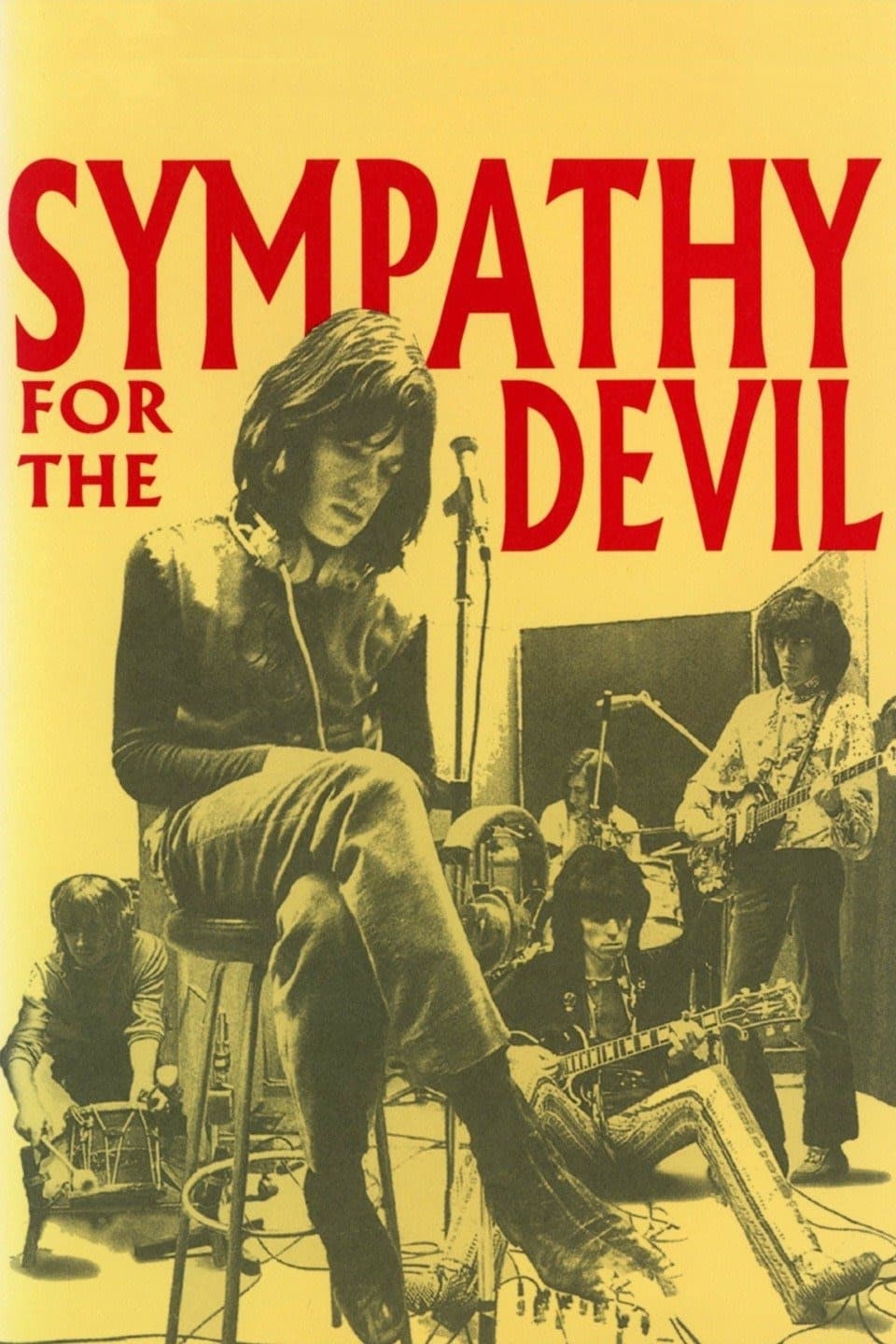
The film opens with extended studio sessions capturing the Rolling Stones recording their title track. Brian Jones's deterioration is documented alongside real-time lyrical adjustments reflecting national tragedies.
Key Events
-
Rolling Stones Recording — Long uninterrupted shots of the band recording their title track. Characters: Eve Democracy
Location: Olympic Studios
-
Brian Jones Dissolution — Vivid portrayal of the band member's mental and physical decline. Characters: Eve Democracy
Location: Olympic Studios
-
JFK to RFK Line Change — Song lyrics altered post-assassination to reflect plural victims. Characters: Eve Democracy
Location: Olympic Studios
Street Revolution and Ideological Clash
The narrative shifts to outdoor scenes featuring Black Panthers reading revolutionary texts and handling weapons. Intercut with brutal off-screen violence and static tableaux of victims, the film establishes a raw political atmosphere.
Key Events
-
JFK to RFK Line Change — Song lyrics altered post-assassination to reflect plural victims. Characters: Eve Democracy
Location: Olympic Studios
-
Junkyard Militant Assembly — Black Panthers loiter, read revolutionary texts, and toss rifles. Characters: Eve Democracy
Location: Rusty Car Junkyard
-
Revolutionary Literature — Group reads works by Amiri Baraka and Eldridge Cleaver. Characters: Eve Democracy
Location: Junkyard
-
Weapon Transfer — Rifles tossed between men, emphasizing armed readiness. Characters: Eve Democracy
Location: Junkyard
-
Off-Camera Execution — Kidnapped women in white are brutalized and shot off-camera. Characters: Eve Democracy
Location: Unknown Location
Democratic Symbolism and Commercial Decay
A Marxist voiceover underscores the political messaging while the camera follows Eve Democracy in a wildlife setting. Her binary responses and symbolic role contrast sharply with the commercial exploitation shown in the bookstore.
Key Events
-
Off-Camera Execution — Kidnapped women in white are brutalized and shot off-camera. Characters: Eve Democracy
Location: Unknown Location
-
Corpse Display — Bloody bodies arranged in static visual compositions throughout. Characters: Eve Democracy
Location: Various Locations
-
Ideological Narration — Voiceover delivers messages on Marxism and revolutionary necessity. Characters: Eve Democracy
Location: Studio Street
-
Yellow Dress Appearance — Camera crew follows a woman in a yellow peasant dress. Characters: Eve Democracy
Location: Wildlife Setting
-
Yes No Interrogation — Subject answers all questions with only 'yes' or 'no'. Characters: Eve Democracy
Location: Wildlife Setting
-
Symbolic Representation — Chapter heading identifies her as a personification of democracy. Characters: Eve Democracy
Location: Wildlife Setting
Meta-Cinematic Resolution
The bookstore sequence escalates into ritualistic violence and fascist gestures, culminating in a child's complicity. The film concludes with a self-referential beach scene where a motionless figure is elevated on a crane.
Key Events
-
Symbolic Representation — Chapter heading identifies her as a personification of democracy. Characters: Eve Democracy
Location: Wildlife Setting
-
Commercial Decay — Shots of a pornographic bookstore selling diverse explicit materials. Characters: Eve Democracy
Location: Indoor Bookstore
-
Publication Swap — Customers exchange comics and magazines for a sheet of paper. Characters: Eve Democracy
Location: Bookstore
-
Maoist Hostage Abuse — Customers slap the faces of two seated Maoist hostages. Characters: Eve Democracy
Location: Bookstore
-
Innocent Complicity — A small child enters to buy a pamphlet and slap hostages. Characters: Eve Democracy
Location: Bookstore
-
Fascist Gesture — Customers raise right arms in a Nazi salute before leaving. Characters: Eve Democracy
Location: Bookstore
-
Authoritarian Text — Store owner reads aloud from Hitler's manifesto. Characters: Eve Democracy
Location: Bookstore
-
Filming Observation — Camera crew lingers on the beach while bystanders ask about filming. Characters: Eve Democracy
Location: Beach
-
Static Crane Shot — Woman in white is elevated on a crane, remaining motionless. Characters: Eve Democracy
Location: Beach
While The Rolling Stones rehearse "Sympathy for the Devil" in the studio, an alternating narrative reflects on 1968 society, politics and culture through five different vignettes.