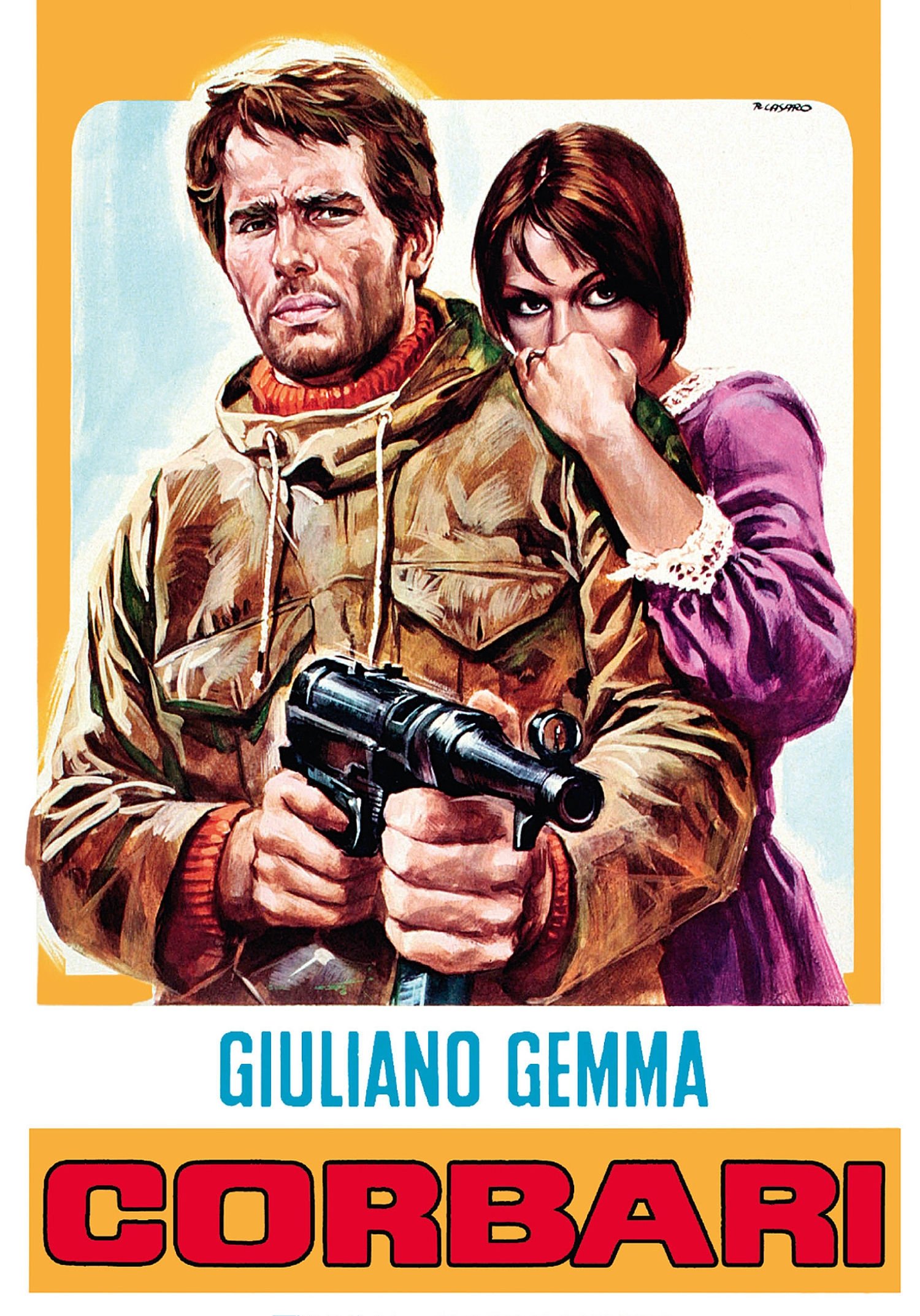
Corbari (1970) character relationship network mapped with AI analysis. Explore the connections, alliances, and conflicts between characters.
Characters
Silvio Corbari
(played by Giuliano Gemma) — protagonist
Silvio Corbari is the film's central subject, portrayed as an Italian partisan. The film is based on real-life events from his life, making him the narrative focus; the supplied plot information does...
Ines
(played by Tina Aumont) — protagonist
Adriano Casadei
(played by Antonio Piovanelli) — supporting
Ulianov
(played by Frank Wolff) — supporting
Michele
(played by Alessandro Haber) — supporting
Orlandi
(played by Spiros Focás) — minor
Story Dynamics
Alliances, conflicts, and narrative interactions that evolve throughout the story.
Silvio Corbari → Orlandi
(Alliance Fellow Partisan) — Minor partisan figure within the same historical context.
Silvio Corbari → Michele
(Alliance Fellow Partisan) — Supporting partisan contributing to the resistance efforts.
Silvio Corbari → Ulianov
(Alliance Fellow Partisan) — Supporting partisan aligned with the protagonist's cause.
Silvio Corbari → Adriano Casadei
(Alliance Fellow Partisan) — Supporting partisan operating within the same resistance network.
Silvio Corbari → Ines
(Narrative Co-Protagonist) — Central figures of the war-drama, sharing narrative focus.
Story Analysis
The supplied material confirms a historical Italian war drama centered on partisan Silvio Corbari, but does not provide enough scene information for a full narrative reconstruction.
Plot Progression
The Film Identity
— The supplied reference identifies the title as Corbari and gives Mission Corbari as an alternative title. It classifies the work as an Italian war drama.
The Historical Subject
— The only stated narrative premise is that the film is based on the real-life events of Italian partisan Silvio Corbari. No specific historical episode is described.
The Named Characters
— The reference identifies Silvio Corbari, Ines, Adriano Casadei, Ulianov, Michele, Orlandi, and Martino in the cast information. Their individual actions and relationships are not supplied.
The Available Credits
— The reference credits Valentino Orsini as both writer and director. It provides no scene-by-scene chronology, locations, objects, conflicts, or ending.