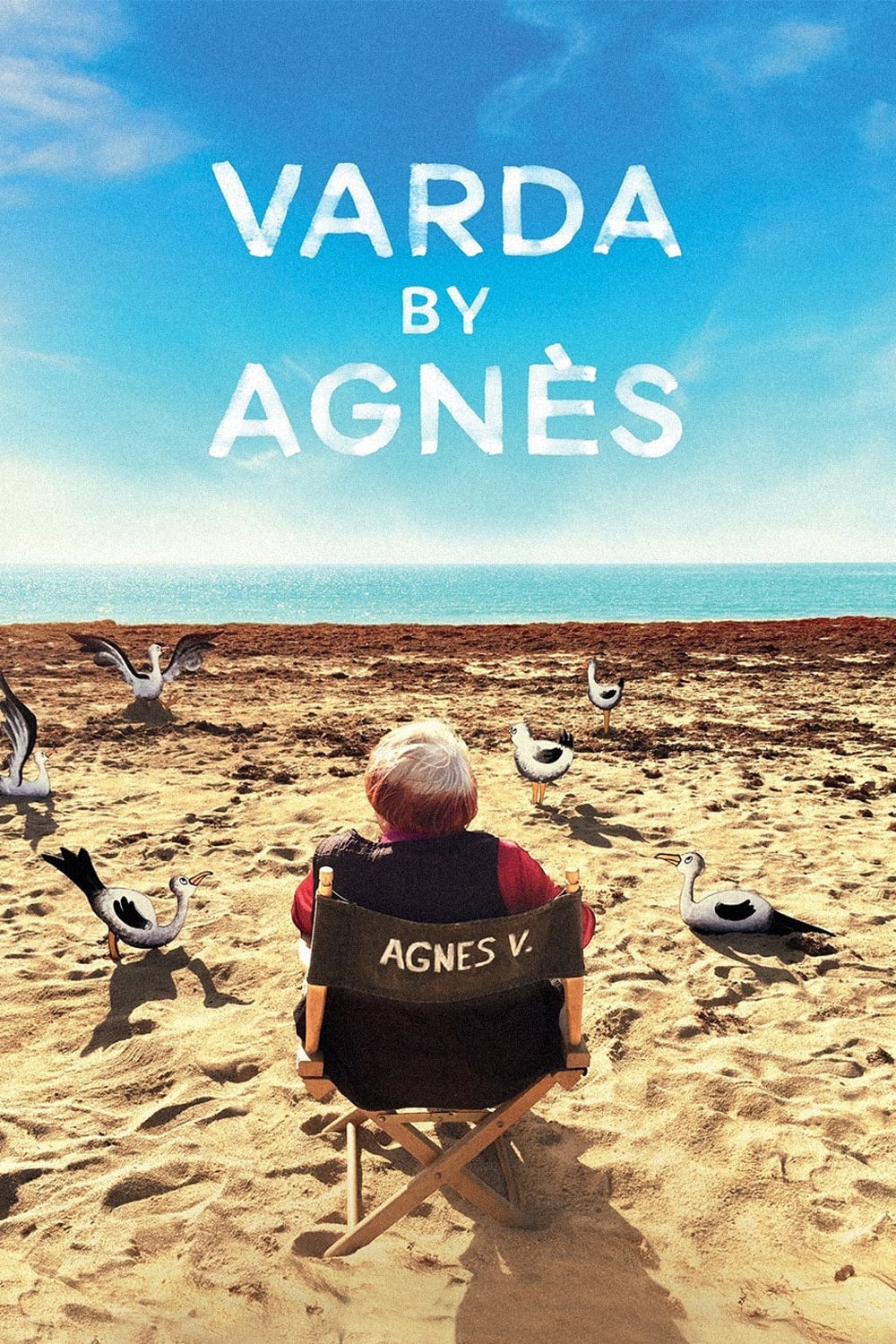
Plot Analysis Summary
A filmmaker traces how encounters, observation, memory, and experimentation continually generate new cinematic and visual forms.
Story Structure — 5 Plot Phases
Cinema Begins With Inspiration
The filmmaker addresses an audience and presents inspiration, creation, and sharing as her guiding principles. A chance encounter with a painter becomes an unexpected family discovery.
Key Events
-
Opera House Cinema — The filmmaker addresses an audience in an opera house converted into a cinema.
Location: Opera house transformed into a cinema
-
Three Creative Principles — She defines inspiration, creation, and sharing as the foundations of her filmmaking.
Location: Opera house cinema
-
Painter's Boat — She recalls meeting an older painter living on a boat near San Francisco.
Location: A boat near San Francisco
-
Spontaneous Filming — The encounter inspires her to film the painter while imagining the editing during their conversation.
Location: Painter's boat
-
Unexpected Family Link — A chance discovery reveals that the painter is a relative.
Location: Painter's boat near San Francisco
-
Advice To Filmmakers — She argues that patience matters, but limited means should not delay creative filming.
Location: Opera house cinema
Bodies Tell The Story
A fiction film about a woman on the road is explained through physical actions rather than elaborate biography. Death and the beach sequence reveal cinema's harsh and imaginative powers.
Key Events
-
Advice To Filmmakers — She argues that patience matters, but limited means should not delay creative filming.
Location: Opera house cinema
-
Woman On The Road — She introduces a fiction film about a young woman living harshly on the road.
Location: Rural roads and outdoor camps
-
Physical Storytelling — The filmmaking focuses on finding food, sleeping outdoors, repairing boots, making fires, and pitching tents.
Location: Outdoor camps and rural roads
-
Death At The Beginning — The character's death appears at the beginning, requiring the actress to perform as a corpse.
Location: Outdoor landscape
-
Beach Mental Landscape — A beach sequence transforms sky, sea, sand, and water into a mental landscape.
Location: Beach
Reality Takes A Viewpoint
The filmmaker describes documentary as shaped observation rather than untouched reality. Her early film contrasts fishermen's labor with a couple's private life and experiments with sound.
Key Events
-
Documentary Viewpoint — She explains that every documentary requires a viewpoint rather than neutral observation alone.
Location: Editing and filming spaces
-
Prepared Reality — Her method combines observed reality with preparation, structure, and occasional staging.
Location: Documentary filming locations
-
First Film Revisited — She revisits her first film, made without formal training.
Location: A neighborhood
-
Labor And Private Life — The film alternates between fishermen and a couple, contrasting social labor with private life.
Location: The same neighborhood
-
Dialogue Becomes Voiceover — Dialogue remains audible as people move away, creating an effect resembling voice-over.
Location: Neighborhood filming locations
Potatoes Become Art
Following agricultural gleaners leads to a discovery of rejected, heart-shaped potatoes. Their later sprouts inspire an installation about breathing, aging, and renewal.
Key Events
-
Following The Gleaners — A later project begins by following agricultural gleaners after a potato harvest.
Location: Agricultural fields after a potato harvest
-
Heart Shaped Potatoes — Rejected potatoes, especially heart-shaped ones, redirect the project's artistic focus.
Location: Potato fields
-
Breathing Potato Installation — The potatoes become an installation presenting breathing, aging, and renewing objects.
Location: Art installation space
Memory Finds New Forms
Old footage, forgotten people, artists, boxes, and discarded clothes become material for renewed invention. The film ends by leaving cinema, memory, and visual art open to reflection.
Key Events
-
Forgotten Footage Returns — She returns to old footage, forgotten people, and artists as sources of renewed inspiration.
Location: Archive and exhibition spaces
-
Boxes And Discarded Clothes — Monumental installations of numbered boxes and discarded clothes expand her visual exploration.
Location: Monumental installation spaces
-
New Forms For Subjects — These encounters encourage her to invent a new form for each subject.
Location: Art and cinema spaces
-
Open Cinematic Reflection — The film closes with an open reflection on cinema, memory, and visual art.
Location: Opera house cinema
An unpredictable documentary from a fascinating storyteller, Agnès Varda’s last film sheds light on her experience as a director, bringing a personal insight to what she calls "cine-writing," traveling from Rue Daguerre in Paris to Los Angeles and Beijing.