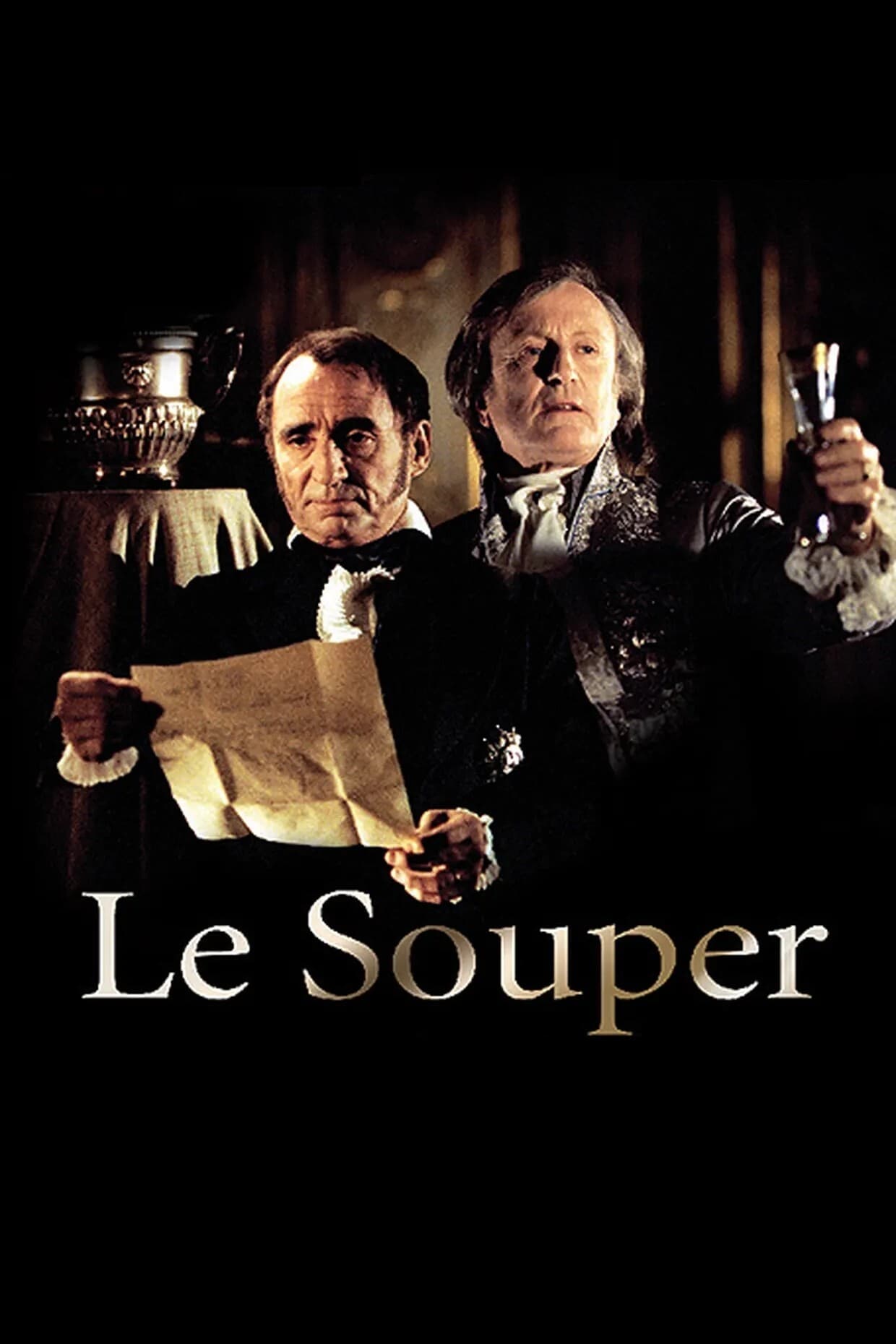
Plot Analysis Summary
A private supper turns political rivalry, revolutionary guilt, and personal memory into a pragmatic alliance under a restored monarchy.
Story Structure — 5 Plot Phases
A City Awaiting Direction
France is politically unstable after the empire's collapse, while Fouché leads a provisional government under occupation. Talleyrand summons him to a private supper.
Key Events
-
Postwar Political Collapse — France faces unrest after the empire's collapse and the occupation of Paris. Characters: Fouché
Location: Paris
-
Provisional Government Under Pressure — Fouché leads the provisional government during a dangerous political transition. Characters: Fouché
Location: Paris
-
Late Night Invitation — Talleyrand invites Fouché to a late-night supper at his town house. Characters: Talleyrand, Fouché
Location: Paris
-
A Private Political Meeting — The two political figures meet privately to discuss France's immediate future. Characters: Talleyrand, Fouché
Location: Talleyrand's town house
-
Constitutional Proposal — Talleyrand says France urgently needs a constitution accepted by occupiers and citizens. Characters: Talleyrand, Fouché
Location: Talleyrand's town house
The Only Viable Crown
Talleyrand argues that France needs a constitution acceptable to both the occupying powers and the people. He rejects several alternatives and presents the Bourbon monarchy as the only workable solution.
Key Events
-
Dynastic Continuity Rejected — Talleyrand rules out continuing the collapsed imperial line through an infant heir. Characters: Talleyrand, Fouché
Location: Talleyrand's town house
-
Republican Return Rejected — Talleyrand rejects a return to the republic that the empire previously overthrew. Characters: Talleyrand, Fouché
Location: Talleyrand's town house
-
Progressive Monarchy Rejected — Talleyrand also rules out a monarchy under the more progressive royal branch. Characters: Talleyrand, Fouché
Location: Talleyrand's town house
-
Bourbon Restoration Proposed — Talleyrand presents the original Bourbon monarchy as France's only viable route. Characters: Talleyrand, Fouché
Location: Talleyrand's town house
Revolutionary Guilt Reopened
The proposal places Fouché's revolutionary history at the center of the discussion. He challenges Talleyrand's moral authority by recalling Talleyrand's involvement in a royal execution.
Key Events
-
Fouché's Political Vulnerability — The proposed restoration threatens Fouché because of his revolutionary record and repression of royalists. Characters: Fouché, Talleyrand
Location: Talleyrand's town house
-
Royal Blood Accusation — Fouché resents the suggestion that his past leaves him stained by royal blood. Characters: Fouché, Talleyrand
Location: Talleyrand's town house
-
Counteraccusation Over Execution — Fouché recalls Talleyrand's role in the abduction and execution of a royal prince. Characters: Fouché, Talleyrand
Location: Talleyrand's town house
Amnesty for Allegiance
Talleyrand offers Fouché amnesty and the possibility of recovering his former office. With few alternatives available, Fouché accepts the proposed government.
Key Events
-
Amnesty Offered — Talleyrand assures Fouché that joining the new government could bring him amnesty. Characters: Talleyrand, Fouché
Location: Talleyrand's town house
-
Return to Office Offered — Talleyrand suggests that Fouché could regain his former position as minister of police. Characters: Talleyrand, Fouché
Location: Talleyrand's town house
-
Fouché Weighs His Options — Fouché considers the offer because few alternative political paths remain open to him. Characters: Fouché, Talleyrand
Location: Talleyrand's town house
-
Pragmatic Agreement — Fouché eventually agrees to join the proposed Bourbon government. Characters: Fouché, Talleyrand
Location: Talleyrand's town house
Vice and Crime Remembered
After the agreement, the men drink and exchange memories of childhood, religion, and private happiness. Chateaubriand's memoirs provide the final judgment on their political partnership.
Key Events
-
Champagne Toast — The two men drink champagne after reaching their difficult political agreement. Characters: Fouché, Talleyrand
Location: Talleyrand's town house
-
Shared Childhood Recollections — Over cognac, they recall difficult childhoods and their contrasting family backgrounds. Characters: Fouché, Talleyrand
Location: Talleyrand's town house
-
Church and Private Happiness — They recall their former religious paths and discuss happiness with younger women, including Talleyrand's niece. Characters: Fouché, Talleyrand, La duchesse de Dino
Location: Talleyrand's town house
-
Memoir's Final Judgment — A memoir extract depicts Talleyrand and Fouché together as embodiments of vice and crime. Characters: Chateaubriand, Talleyrand, Fouché
Location: The following evening