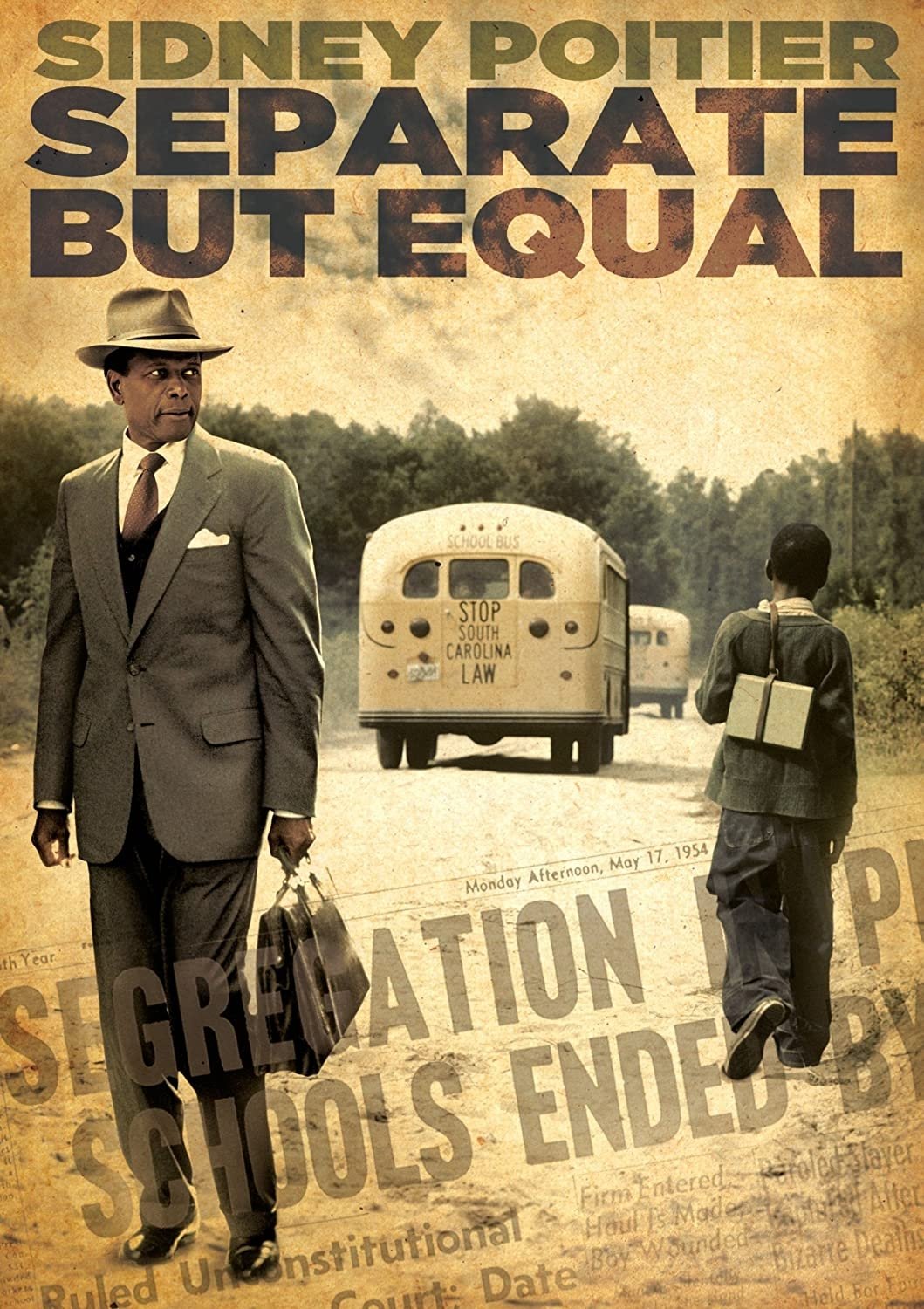
Story Structure — 4 Plot Phases
The Constitutional Challenge
The Supreme Court considers whether the Fourteenth Amendment requires public school desegregation. Marshall and Davis present fundamentally opposed constitutional interpretations.
Key Events
-
Constitutional Question Introduced — The Court considers whether equal protection requires states to desegregate public schools. Characters: Thurgood Marshall, John W. Davis
Location: United States Supreme Court
-
Companion Cases Presented — Brown and Briggs place the legality of segregated schools before the Court. Characters: Thurgood Marshall, John W. Davis
Location: United States Supreme Court
-
Marshall Makes His Argument — Marshall argues that equal protection extends to the states and prohibits segregated schools. Characters: Thurgood Marshall
Location: Supreme Court chamber
-
Davis Invokes States Rights — Davis counters that Congress did not intend the Amendment to govern public school control. Characters: John W. Davis
Location: Supreme Court chamber
-
The Court Reaches Deadlock — The justices remain stalemated after hearing both constitutional positions. Characters: Thurgood Marshall, John W. Davis
Location: United States Supreme Court
-
Rearguments Are Ordered — The Court gives Marshall and Davis another opportunity to argue the Amendment's scope. Characters: Thurgood Marshall, John W. Davis
Location: United States Supreme Court
History Against History
After the Court orders reargument, Marshall's research initially finds no clear historical intent for desegregation. Davis's team discovers historical examples supporting segregation.
Key Events
-
Rearguments Are Ordered — The Court gives Marshall and Davis another opportunity to argue the Amendment's scope. Characters: Thurgood Marshall, John W. Davis
Location: United States Supreme Court
-
Chief Justice Vinson Dies — Chief Justice Fred M. Vinson dies during the interval before reargument.
Location: Washington, D.C.
-
New Chief Justice Arrives — Governor Earl Warren of California replaces Vinson as chief justice.
Location: United States Supreme Court
-
Marshall Searches History — Marshall and his staff fail to find clear evidence of 1866 intent to desegregate schools. Characters: Thurgood Marshall
Location: NAACP research office
-
Davis Finds Segregation Precedents — Davis and his staff find examples of segregated schools existing after the Amendment's passage. Characters: John W. Davis
Location: Legal research office
-
The NAACP Finds Stevens Quote — NAACP staffers discover Stevens's Senate statement condemning segregation constitutionally and morally. Characters: Thurgood Marshall
Location: NAACP research office
-
Quote Leads Marshall Brief — Marshall's team places the Stevens quotation at the front of its brief. Characters: Thurgood Marshall
Location: NAACP office
The Moral Turning Point
The NAACP finds Thaddeus Stevens's condemnation of segregation and places it prominently in Marshall's brief. The new chief justice also confronts the contemporary human cost of racial exclusion.
Key Events
-
Quote Leads Marshall Brief — Marshall's team places the Stevens quotation at the front of its brief. Characters: Thurgood Marshall
Location: NAACP office
-
Second Arguments Begin — Marshall and Davis reargue whether equal protection reaches school desegregation. Characters: Thurgood Marshall, John W. Davis
Location: Supreme Court chamber
-
Gettysburg Tour Changes Perspective — The new chief justice tours Gettysburg and recognizes the racial injustice facing his chauffeur.
Location: Gettysburg Battlefield
-
Chauffeur Lacks Lodging — The chauffeur must sleep in the car because lodging is unavailable to him because of his race.
Location: Gettysburg
-
Majority Supports Desegregation — The new chief justice learns that a majority favors striking down separate-but-equal laws.
Location: United States Supreme Court
A Unanimous Judgment
The Court's majority favors ending separate-but-equal laws, but unanimity becomes the chief justice's goal. The final opinion rejects segregation, while the epilogue records both progress and an unresolved personal consequence.
Key Events
-
Majority Supports Desegregation — The new chief justice learns that a majority favors striking down separate-but-equal laws.
Location: United States Supreme Court
-
Unanimity Becomes Essential — The chief justice decides that a unanimous ruling is important to the country.
Location: United States Supreme Court
-
Dissenters Receive Copies — The chief justice visits dissenting justices and explains the significance of unanimity.
Location: Justices' chambers
-
Unanimous Opinion Is Read — The Court declares that segregation has no place in American society. Characters: Thurgood Marshall, John W. Davis
Location: United States Supreme Court
-
Davis Accepts Social Change — Even Davis privately acknowledges that society must change after the Court's decision. Characters: John W. Davis
Location: United States Supreme Court
-
Marshall Reaches Supreme Court — The epilogue records Marshall's ascent to the Supreme Court in 1967. Characters: Thurgood Marshall
Location: United States Supreme Court
-
Briggs Student's Unfulfilled Future — The epilogue states that the Briggs plaintiff never attended an integrated school.
Location: United States