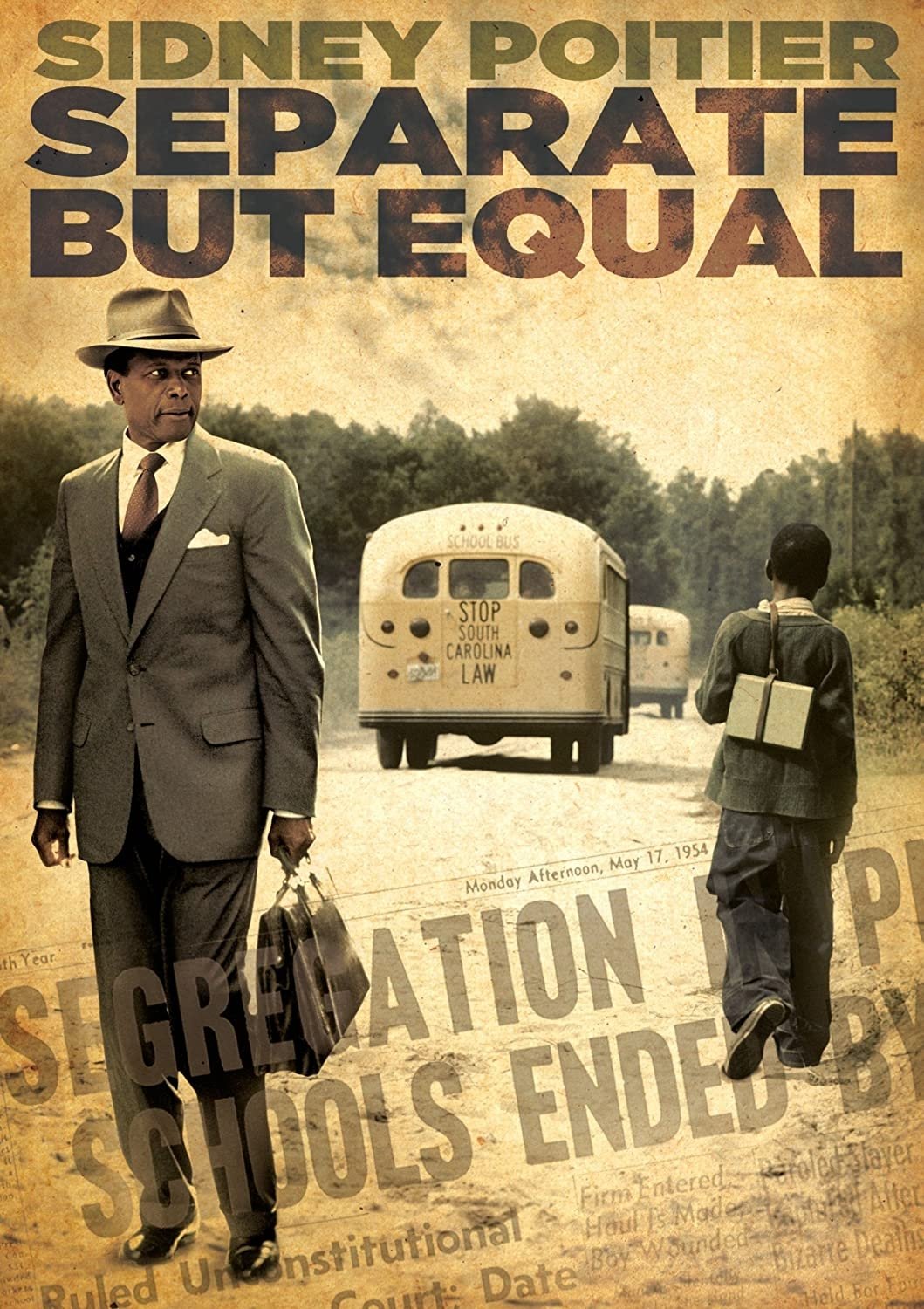
Separate but Equal (1991) character relationship network mapped with AI analysis. Explore the connections, alliances, and conflicts between characters.
NAACP lawyer arguing that the 14th Amendment's equal protection clause prohibits segregated public schools. His team initially struggles to find historical intent but ultimately secures a crucial Sena...
Opposing counsel who argues that public school control is a states' rights issue excluded from the 14th Amendment's intent. His team locates historical precedents of segregated schools. He privately a...
Alliances, conflicts, and narrative interactions that evolve throughout the story.
Marshall and Davis argue opposing positions before the Supreme Court. Marshall supports school desegregation, while Davis argues that public education...
A constitutional courtroom struggle transforms competing legal arguments into a unanimous rejection of school segregation, while acknowledging the limits of legal victory.
Directed by George Stevens Jr.
Separate but Equal (1991) · 6.5/10 · drama, history, tv-movie
Plot analysis generated from content on Wikipedia, licensed under CC BY-SA 4.0.
Related entry on Wikidata (Q7451776), public domain (CC0).