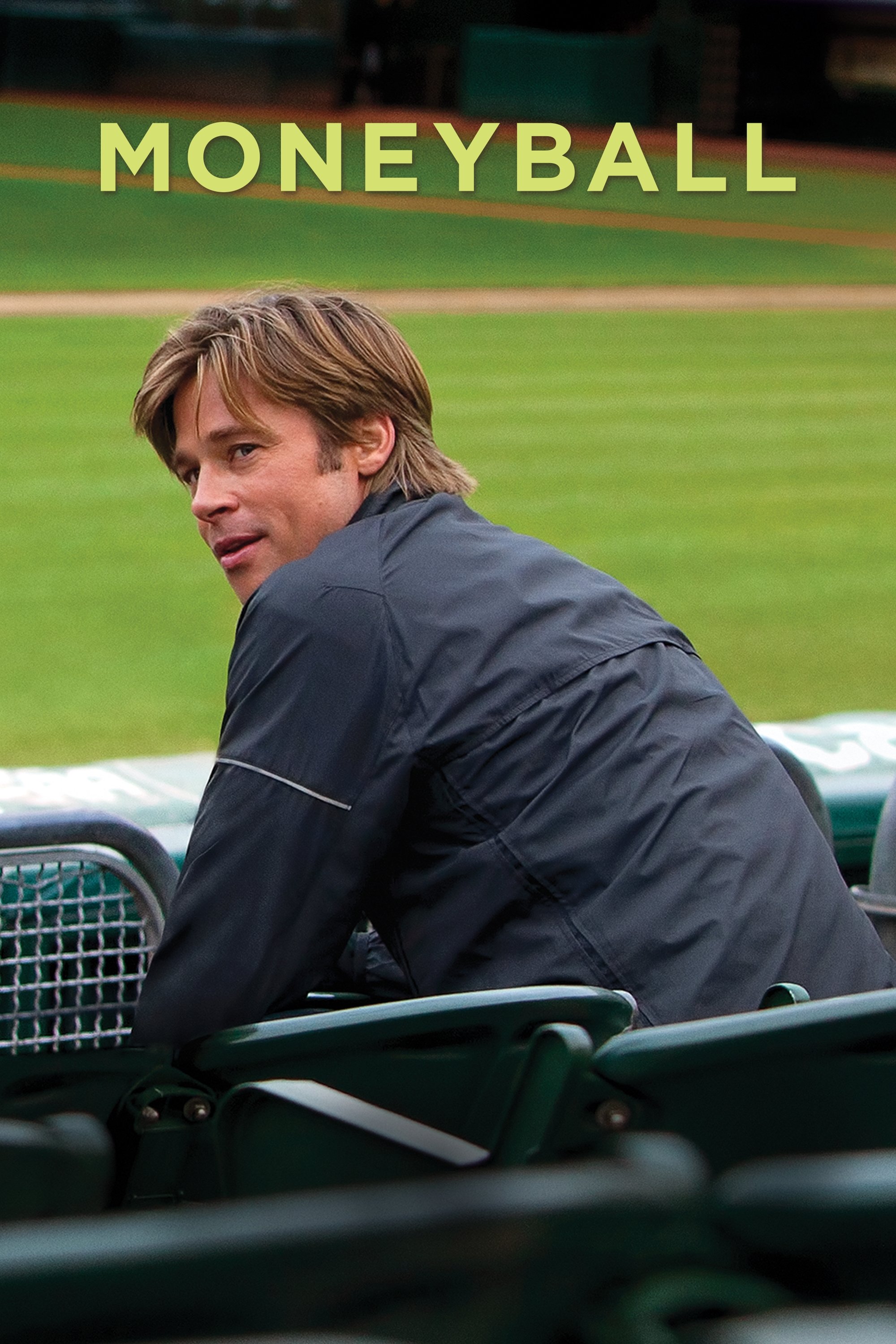
Moneyball (2011) character relationship network mapped with AI analysis. Explore the connections, alliances, and conflicts between characters.
Billy Beane is the Oakland Athletics general manager and the central figure of the story. After experiencing an unimpressive playing career, he rejects traditional scouting and hires Peter Brand to bu...
Peter Brand is a Yale economics graduate who serves as a Cleveland advisor before Billy Beane hires him. He promotes sabermetrics and argues that teams should maximize on-base percentage rather than r...
Art Howe is the Athletics manager, whose priorities conflict with Billy Beane and Peter Brand’s statistical strategy. Seeking a contract extension, he resists using players according to their on-base...
Scott Hatteberg is an injured catcher whom Billy Beane and Peter Brand acquire as an undervalued player. They move him to first base because of his on-base skills, despite Art Howe’s resistance. Hatte...
Chad Bradford is a submarining relief pitcher whom Billy Beane and Peter Brand acquire as an inexpensive, undervalued player. His selection reflects their effort to find useful contributors overlooked...
David Justice is an aging, experienced player acquired by Billy Beane and Peter Brand as part of their low-cost rebuilding strategy. Although he is less expensive than the star players lost through fr...
Grady Fuson is the Athletics’ head scout and a supporter of traditional baseball evaluation. Billy Beane fires him after he refuses to abandon conventional scouting methods in favor of Peter Brand’s s...
Family, romantic, and professional connections based on plot evidence.
Peña is traded away specifically so that Hatteberg becomes the team's first baseman.
Peña is described as Howe's favored first baseman before Beane trades him away.
Despite Jeremy Giambi's strong on-base skills, Beane decides he lacks intangible qualities and trades him away.
Beane trades away Howe's favored first baseman Carlos Peña to force Hatteberg into the lineup.
Beane and Brand acquire submariner Chad Bradford as part of their market inefficiency approach.
Beane and Brand acquire undervalued players like aging David Justice to build their OBP-driven roster.
Beane and Brand acquire the injured catcher and then trade Carlos Peña specifically to force Art Howe to play Hatteberg at first base.
Beane fires head scout Grady Fuson after Fuson refuses to abandon his traditional scouting methods.
Alliances, conflicts, and narrative interactions that evolve throughout the story.
Both were on the 2002 Athletics roster before Jeremy was traded away during the season.
Justice and Bradford are among the undervalued veteran and unusual players assembled for the 2002 season.
Hatteberg and Bradford are both bargain acquisitions who contribute to the Athletics during their historic winning run.
Both veterans are acquired by Beane and Brand as undervalued additions to the 2002 Athletics roster.
Brand's data-driven roster philosophy directly contradicts Fuson's traditional scouting, and Beane ultimately chooses Brand's vision by firing Fuson.
Howe resists playing Scott Hatteberg at first base until Beane removes other roster options.
Howe disregards Brand's advice to put the players with the best on-base percentage at the top of the batting order.
A low-budget general manager uses statistical analysis to overturn baseball's traditional power structure and stake the brightest minds on the overlooked value of on-base percentage.
Directed by Bennett Miller
Moneyball (2011) · 7.3/10 · drama
Plot analysis generated from content on Wikipedia, licensed under CC BY-SA 4.0.
Related entry on Wikidata (Q221820), public domain (CC0).