Story Structure — 4 Plot Phases
Exile and Artistic Awakening
The narrative opens with the director's childhood escape from the rising Khmer Rouge regime. He relocates to France, where he channels his trauma into filmmaking. This phase establishes the personal and historical backdrop for the documentary.
Key Events
-
Regime Rise Depicted — Introduction of Khmer Rouge takeover and societal shift.
Location: Cambodia
-
Childhood Escape — Director flees Cambodia as a child during regime ascent.
Location: Thailand Border
-
Exile in France — Settles in France and begins filmmaking career.
Location: France
-
Clay Sculpture Creation — Sculptor crafts clay dioramas to visualize memories.
Location: Studio
-
Cultural Identity Loss — Illustration of forced cultural erasure under radical socialism.
Location: Cambodian Village
Clay Memories and Cultural Erasure
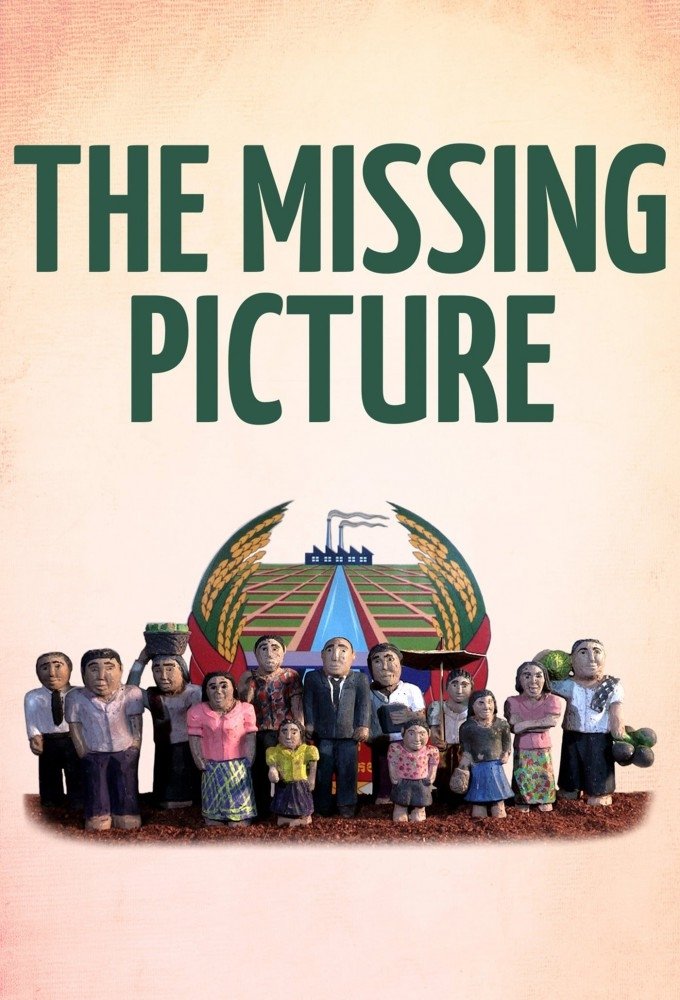
Sculptor Sarith Mang creates clay dioramas to visualize fragmented memories of the era. The film depicts the systematic destruction of Cambodian culture and the reduction of citizens to mere numbers. Childhood innocence clashes with the brutal reality of forced labor.
Key Events
-
Cultural Identity Loss — Illustration of forced cultural erasure under radical socialism.
Location: Cambodian Village
-
Identity Reduction — Citizens stripped of names and reduced to mere numbers.
Location: Labor Camp
-
Memory Gap Filling — Figurines symbolically fill historical and personal memory voids.
Location: Studio
-
Family Tragedy Acknowledged — Director confronts the loss of numerous family members.
Location: Memory Space
-
Radical Socialism Implementation — Depiction of forced societal restructuring and urban evacuation.
Location: Urban Center
-
Photo Destruction — Regime systematically destroys photographic evidence.
Location: Archive
Confronting Historical Void
The documentary addresses the deliberate destruction of photographic evidence by the regime. Through animation and archival footage, the director reconstructs the lost timeline of 1975 to 1979. Personal family losses are acknowledged as the narrative deepens.
Key Events
-
Photo Destruction — Regime systematically destroys photographic evidence.
Location: Archive
-
Cinematic Reconstruction — Attempt to rebuild historical narrative through cinema.
Location: Film Set
-
Collective Memory Preservation — Cinema utilized as a tool to preserve shared trauma.
Location: Cultural Space
-
Counter-Narrative Formation — Director crafts truth-seeking storytelling against regime lies.
Location: Studio
-
Innocence vs Brutality — Juxtaposition of childhood symbolism with regime violence.
Location: Diorama
-
Historical Period Reconstruction — Merging animation and footage to span 1975 to 1979.
Location: Timeline
Cinematic Truth and Resolution
Cinema is positioned as the ultimate tool for bearing witness and preserving collective memory. The director's truth-seeking storytelling directly counters the regime's distorted propaganda. The film concludes as a permanent historical testimony of survival.
Key Events
-
Historical Period Reconstruction — Merging animation and footage to span 1975 to 1979.
Location: Timeline
-
Witness Bearing — Film serves as an official witness to genocide atrocities.
Location: Screen
-
Distorted Narrative Exposed — Regime propaganda contrasted with authentic visual testimony.
Location: Public Square
-
Personal Childhood Quest — Director's journey to reclaim stolen youth through art.
Location: Memory Palace
-
Truth-Seeking Climax — Narrative peaks with unfiltered historical truth delivery.
Location: Cinema Hall
-
Historical Testimony — Film concludes as a permanent record of survival and memory.
Location: Global Screen