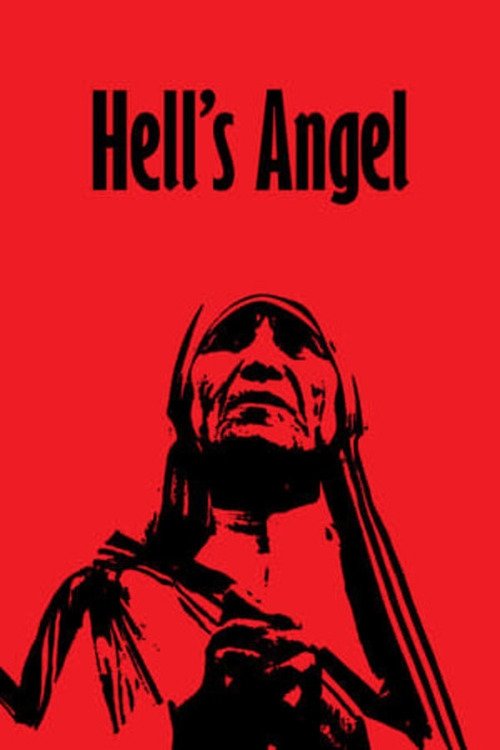
Plot Analysis Summary
A systematic deconstruction of Mother Teresa's public image through archival footage, expert interviews, and firsthand testimonies.
Story Structure — 5 Plot Phases
The Divine Myth
Hitchens introduces the documentary's critical framework, examining Malcolm Muggeridge's 1969 BBC coverage. The segment debunks the supernatural claims surrounding the filming through technical explanations.
Key Events
-
Hitchens Documentary Introduction — Hitchens introduces the documentary's critical premise against Mother Teresa.
Location: Studio
-
Muggeridge 1969 BBC Coverage — Early documentary footage establishes Teresa's initial public narrative.
Location: Kolkata
-
Divine Light Claim — Muggeridge attributes film visibility to Teresa's divine light.
Location: Kolkata
-
Kodak Film Debunking — McMillan reveals high-sensitivity film caused the visibility, not divine intervention.
Location: Studio
Conditions of Suffering
Former volunteer Mary Loudon provides firsthand testimony regarding the Home for the Dying. The segment details severe medical neglect, unsterilized equipment, and denied hospital transfers.
Key Events
-
Home Conditions Testimony — Loudon compares the Home for the Dying to World War I facilities.
Location: Studio
-
Medical Neglect Evidence — Patients received only basic painkillers with no proper medication.
Location: Studio
-
Unsterilized Needles Incident — Nuns reused drip needles without sterilization due to perceived lack of benefit.
Location: Studio
-
Refused Hospital Care — A treatable 15-year-old boy was denied transfer to a local hospital.
Location: Studio
Ideological Opposition
The documentary shifts to Teresa's political and moral stances, highlighting her anti-abortion campaigns and opposition to family planning. Archival Nobel speech footage reinforces her rigid ideology.
Key Events
-
1980 Abortion Stance — Hitchens highlights Teresa's claim that the Home fights abortion and contraception.
Location: Studio
-
Nobel Speech Footage — Archival footage shows Teresa calling abortion murder during her 1979 acceptance speech.
Location: Oslo
-
Ireland Birth Control Campaign — Teresa publicly demands that birth control remain illegal in Ireland.
Location: Ireland
-
Family Planning Critique — Hitchens argues that family planning campaigns are low priority in Kolkata.
Location: Studio
-
Western Perception Analysis — Bose explains how the West views Teresa as a self-sacrificing figure.
Location: Studio
-
Duvalier Association — Teresa supported and was rewarded by the Haitian dictator.
Location: Haiti
Dictatorships and Disasters
Teresa's controversial alliances with global dictators and financiers are exposed. Her inadequate response to the Bhopal disaster underscores the documentary's central argument about her priorities.
Key Events
-
Duvalier Association — Teresa supported and was rewarded by the Haitian dictator.
Location: Haiti
-
Hoxha and Keating Ties — Teresa maintained alliances with controversial Albanian and U.S. figures.
Location: Albania
-
Reagan Connection — Teresa's relationship with the U.S. president provided political cover.
Location: United States
-
Bhopal Disaster Response — Teresa advised Union Carbide disaster victims to simply forgive.
Location: Bhopal
-
Poverty Disinterest Claim — Bose concludes Teresa is wholly uninterested in tackling systemic poverty.
Location: Studio
-
Dictatorship Gloss Over — Hitchens explains how dictators used Teresa to publicly gloss over shortcomings.
Location: Studio
Legacy of Critique
Expert commentary concludes the examination, framing Teresa's legacy as a product of media credulity and political exploitation. Hitchens delivers the final assessment of her enterprise.
Key Events
-
Dictatorship Gloss Over — Hitchens explains how dictators used Teresa to publicly gloss over shortcomings.
Location: Studio
-
Documentary Conclusion — Hitchens wraps up his systematic critique of Teresa's enterprise.
Location: Studio
-
Media Credulity Legacy — The documentary highlights the lasting impact of uncritical media reporting.
Location: Studio
-
Final Critical Assessment — Hitchens delivers the final verdict on Teresa's moral and political stance.
Location: Studio