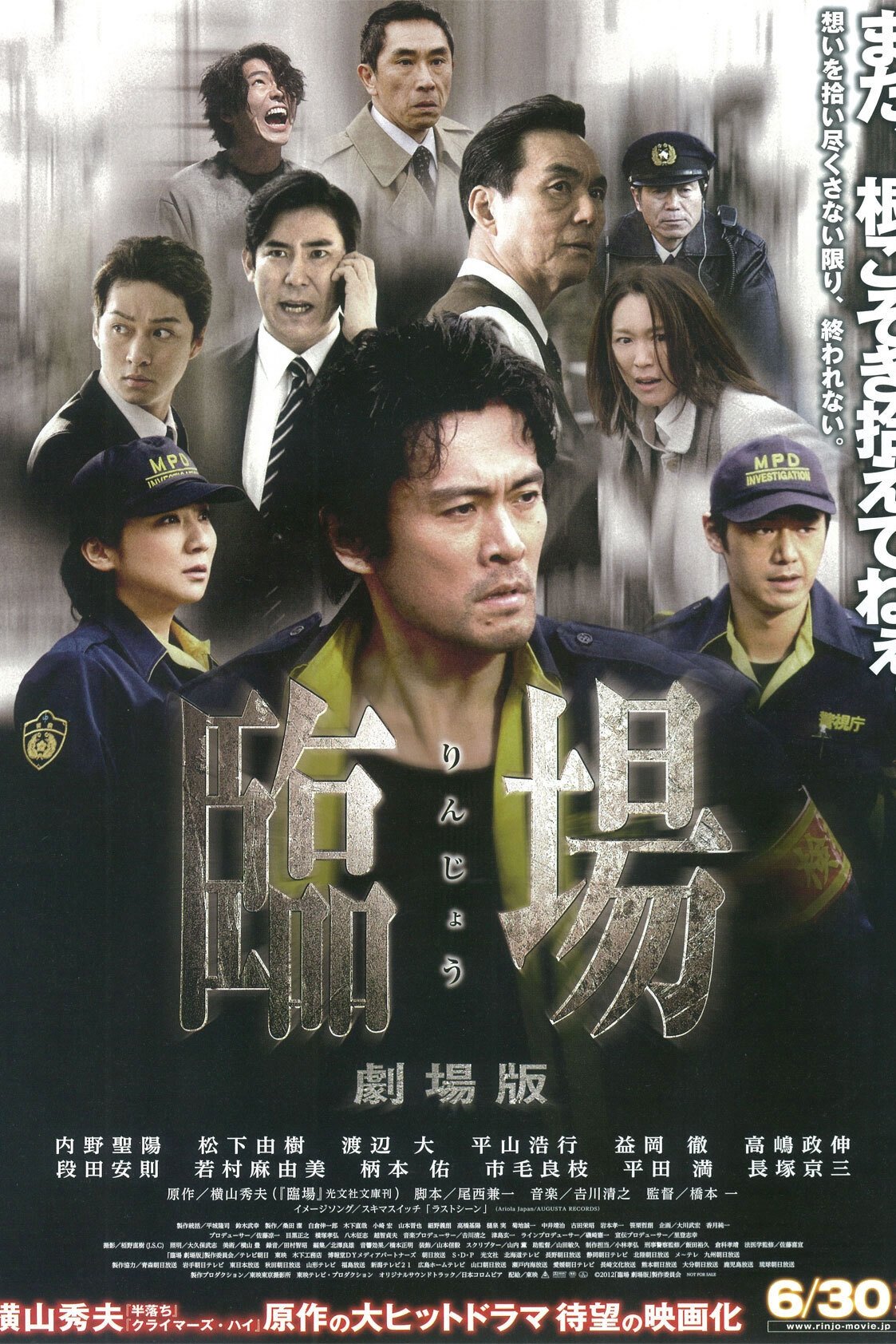
The Last Message (2012) character relationship network mapped with AI analysis. Explore the connections, alliances, and conflicts between characters.
Characters
Yoshio Kuraishi
(played by Seiyo Uchino) — protagonist
Kuraishi is a coroner who examines the bodies of lawyer Norio Takamura and psychiatrist Yuzo Kakogawa. His observations about uncertain times of death and autopsy details prompt investigators to revis...
Masumi Tachihara
(played by Masanobu Takashima) — supporting
Tachihara brings an eight-year-old case into the investigation: a young man was accused of strangling a woman, confessed under pressure, and died by suicide in his cell before another person admitted...
Yuzo Kakogawa
(played by David Ito) — supporting
Kakogawa is a psychiatrist who assessed the young man accused of murder eight years earlier. Two years before the present investigation, he is murdered alongside lawyer Norio Takamura. Their deaths ma...
Kensaku Urabe
(played by Mitsuru Hirata) — supporting
Urabe is a police officer and the father of the young man wrongly accused in the older murder case. He has carried grief and disgrace for years, and suspects Takamura and Kakogawa's roles in what happ...
Canonical Relationships
Family, romantic, and professional connections based on plot evidence.
Masumi Tachihara → Yoshio Kuraishi
(Professional Investigative Associate) — Tachihara supplies a past case that helps Kuraishi and the investigation reconsider the recent deaths.
Tachihara brings Kuraishi a case from eight years earlier as the investigation deepens.
Yoshio Kuraishi → Yuzo Kakogawa
(Professional Autopsy Investigator) — Kuraishi's examination of Kakogawa's death becomes part of the investigation into the linked murders.
Kuraishi examines Kakogawa's body after Kakogawa is murdered.
Story Dynamics
Alliances, conflicts, and narrative interactions that evolve throughout the story.
Kensaku Urabe → Yuzo Kakogawa
(Conflict Suspected Target) — The investigation considers Urabe a possible assailant in Kakogawa's murder, but the supplied account does not confirm his responsibility.
Kakogawa is murdered, and suspicion in the investigation turns toward Urabe and his possible motive for targeting Kakogawa and Takamura.
Kensaku Urabe → Yoshio Kuraishi
(Conflict Final Confrontation) — Kuraishi challenges Urabe's revenge plan, but Urabe maintains that only his son can grant forgiveness.
In the final confrontation, Kuraishi challenges Urabe as Urabe prepares to make the earlier massacre perpetrator suffer.
Story Analysis
A disputed verdict and the harm of an earlier wrongful accusation converge in an investigation that ends with revenge and forgiveness unresolved.
Plot Progression
A Verdict Without Closure
— A violent attack leads to an insanity finding and institutional commitment rather than punishment. The verdict leaves victims' families and the public frustrated.
Murders and Renewed Inquiry
— Two years later, Takamura and Kakogawa are murdered. Kuraishi's examinations and observations lead investigators to revisit earlier cases.
The Cost of an Old Case
— Tachihara presents a case involving a wrongful accusation, a pressured confession, and a young man's death in custody. Urabe's long-standing grief and disgrace become part of the investigation.
Revenge and Unresolved Forgiveness
— Kuraishi discovers signs of deliberate planning while Urabe declares his intention to seek revenge. Their final confrontation ends without resolving whether Urabe can find forgiveness.
Directed by Hajime Hashimoto
The Last Message (2012) · 6.3/10 · drama, mystery
Content sources
Plot breakdown and analysis on this page are AI-generated from the title's synopsis and metadata.