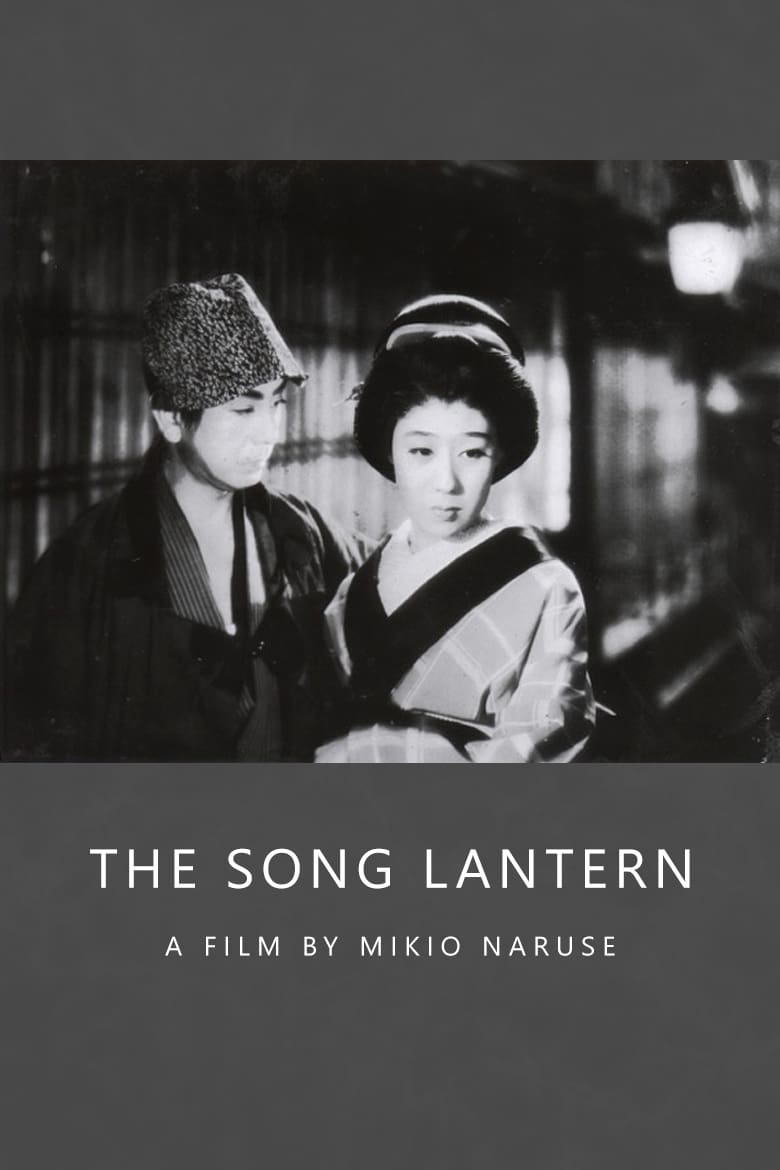
Plot Analysis Summary
A narrative of artistic redemption, familial conflict, and the enduring power of traditional noh dance in Meiji-era Japan.
Story Structure — 4 Plot Phases
Shame and Exile
Kitahachi's public humiliation of Sozan triggers a chain of tragedy, culminating in Sozan's suicide and Kitahachi's disownment by his father.
Key Events
-
Meiji Era Kuwana — Historical backdrop establishing the Meiji period setting. Location: Kuwana, Japan
-
Sozan's Humiliation — Kitahachi publicly degrades Sozan during a noh performance. Characters: Onchi Kitahachi
Location: Noh Theater
-
Sozan's Suicide — Overwhelmed by shame, Sozan takes his own life. Location: Private Quarters
-
Genzaburo's Decree — Father disowns Kitahachi and bans him from ever performing again. Characters: Onchi Kitahachi
Location: Family Home
Street Survival
Kitahachi adapts to a life as a street musician while Osode faces rejection in the geisha world due to her lack of instrumental training.
Key Events
-
Street Musician Life — Kitahachi struggles to earn money as a wandering street performer. Characters: Onchi Kitahachi
Location: Kuwana Streets
-
Osode's Struggle — Osode fails to secure geisha work due to lack of instrument skills. Location: Geisha District
-
Mentorship Decision — Kitahachi decides to teach Osode noh dancing to help her career. Characters: Onchi Kitahachi
Location: Practice Room
-
First Dance Lesson — Osode practices basic noh movements under Kitahachi's guidance. Characters: Onchi Kitahachi
Location: Courtyard
-
Skill Development — Osode gradually masters intricate noh dance steps through repetition. Location: Training Ground
Dance of Redemption
Kitahachi mentors Osode in noh dancing, transforming her career prospects while quietly seeking personal atonement for his past mistakes.
Key Events
-
Skill Development — Osode gradually masters intricate noh dance steps through repetition. Location: Training Ground
-
Kitahachi's Guilt — Kitahachi reflects on his past actions and Sozan's tragic death. Characters: Onchi Kitahachi
Location: Alleyway
-
Genzaburo's Arrival — Famous actor Genzaburo visits the region for a brief stay. Location: Kuwana Town
-
Public Performance — Osode performs noh dance for a local audience. Location: Open Stage
-
Genzaburo's Observation — Genzaburo watches Osode's performance with growing interest. Location: Audience Booth
-
Impressed Reaction — Genzaburo is deeply impressed by Osode's technical skill. Location: Backstage
Reunion in Kuwana
Genzaburo discovers Osode's exceptional skill, learns of Kitahachi's involvement, and tracks him down to finally reconcile with his son.
Key Events
-
Impressed Reaction — Genzaburo is deeply impressed by Osode's technical skill. Location: Backstage
-
Inquiry About Teacher — Genzaburo asks who instructed Osode in her craft. Location: Practice Hall
-
Revelation of Kitahachi — Osode reveals Kitahachi as her mentor. Characters: Onchi Kitahachi
Location: Courtyard
-
Father's Realization — Genzaburo connects Osode's skill to his disowned son. Location: Street
-
Search for Son — Genzaburo actively looks for Kitahachi across the town. Location: Kuwana Streets
-
Street Encounter — Genzaburo spots Kitahachi playing music in public. Characters: Onchi Kitahachi
Location: Market Square
-
Confrontation & Recognition — Father and son face each other after years of separation. Characters: Onchi Kitahachi
Location: Alley
-
Reconciliation — Genzaburo forgives Kitahachi and accepts his redemption. Characters: Onchi Kitahachi
Location: Quiet Garden
-
Artistic Legacy — Kitahachi and Osode prepare for a joint performance. Characters: Onchi Kitahachi
Location: Theater Stage
A self-absorbed young actor humiliates an elderly Noh performer, who then commits suicide. His act of cruelty compels his father to disown him, leading the once promising actor to a life on the streets. But his desire to win back the respect of his father and the affection of the dead actor's daughter pushes him toward a more noble existence. Naruse employed a delicately structured mise-en-scene in this family melodrama, which evokes the work of Josef von Sternberg.