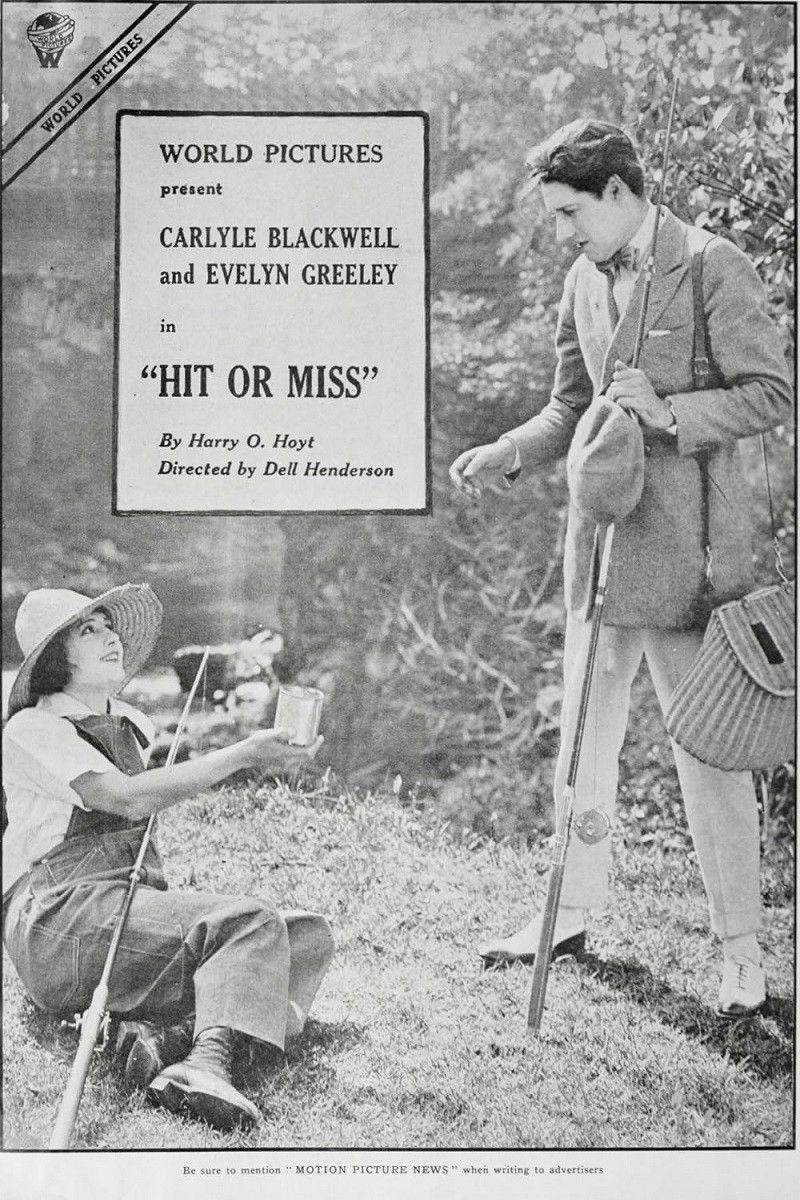
Plot Analysis Summary
A silent American film produced in 1919, directed by Dell Henderson with a screenplay by Clara Beranger and starring Carlyle Blackwell, Evelyn Greeley, and Charles Sutton.
Story Structure — 4 Plot Phases
Production Foundations
The film is conceived as a silent production in the United States, with Dell Henderson appointed as director and Clara Beranger drafting the original screenplay.
Key Events
-
Silent Film Format Established — The film is produced as a silent movie without synchronized sound.
Location: United States
-
Director Dell Henderson Appointed — Dell Henderson takes the helm as the primary director for the project.
Location: Production Studio
-
Clara Beranger Writes Script — Clara Beranger drafts the original screenplay for the film.
Location: Writing Room
-
United States Production Launch — Filming officially begins under American production standards.
Location: United States
-
Carlyle Blackwell Cast as Lead — Carlyle Blackwell secures a principal acting role in the ensemble.
Location: Casting Office
Cast Assembly & Filming
Carlyle Blackwell, Evelyn Greeley, and Charles Sutton are selected for principal roles, followed by the completion of principal photography and editing.
Key Events
-
Carlyle Blackwell Cast as Lead — Carlyle Blackwell secures a principal acting role in the ensemble.
Location: Casting Office
-
Evelyn Greeley Joins Cast — Evelyn Greeley is selected to portray a key supporting character.
Location: Casting Office
-
Charles Sutton Assigned Role — Charles Sutton completes the primary trio of featured actors.
Location: Casting Office
-
Principal Photography Completion — All shooting schedules conclude with the silent footage captured.
Location: Film Studio
-
Post-Production Editing Phase — Raw footage is assembled, trimmed, and formatted for theatrical release.
Location: Editing Suite
-
1919 Theatrical Release — The completed film premieres across United States movie theaters.
Location: American Cinemas
Theatrical Release & Context
The movie premieres in 1919, situated within a competitive cinematic landscape dominated by D.W. Griffith's Broken Blossoms and silent romantic trends.
Key Events
-
1919 Theatrical Release — The completed film premieres across United States movie theaters.
Location: American Cinemas
-
Contemporary Cinema Landscape — The release occurs during a peak year for American silent cinema.
Location: Film Industry
-
Broken Blossoms Dominates Year — D.W. Griffith's Broken Blossoms emerges as the most popular film of 1919.
Location: Cultural Context
-
Silent Romantic Genre Trend — Audiences show strong preference for silent romantic narratives.
Location: Market Analysis
-
Welsh-American Directorial Influence — Griffith's Welsh-American background shapes the era's cinematic style.
Location: Industry Heritage
-
Public Domain Declaration — Over ninety-five years after release, copyright expires automatically.
Location: Legal Archive
Legal Status & Historical Archive
After ninety-five years, the film enters the public domain, preserving its cast credits and script authorship as documented historical artifacts.
Key Events
-
Public Domain Declaration — Over ninety-five years after release, copyright expires automatically.
Location: Legal Archive
-
Historical Preservation Status — The film enters the public domain, allowing unrestricted access.
Location: Film Archive
-
Cast Ensemble Recognition — The three lead actors are documented as the film's primary talent.
Location: Cinema History
-
Script Authorship Credit — Clara Beranger receives official credit for the original screenplay.
Location: Production Records
-
Silent Era Acting Methodology — Actors rely on physical expression and title cards for storytelling.
Location: Performance Studies
-
Cinematic Legacy Assessment — The film is cataloged as a historical artifact of early American cinema.
Location: Film History