Story Structure — 4 Plot Phases
Deportation to Sobibor
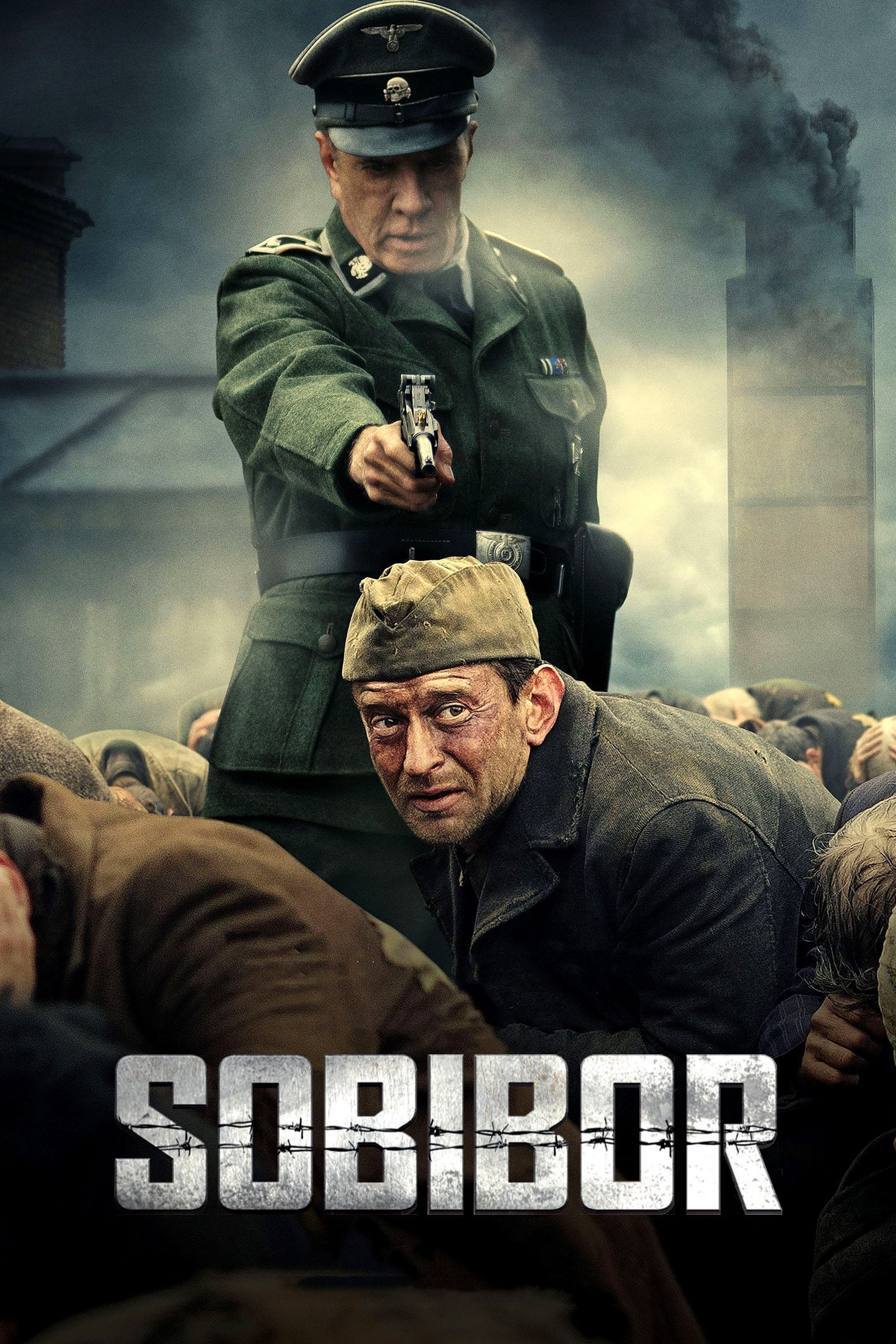
In October 1943, Jewish-Soviet Red Army lieutenant Alexander Pechersky is deported to Sobibor. The camp is a site where Jews are exterminated in gas chambers.
Key Events
-
Sobibor Revolt Background — The film is based on the 1943 revolt at Sobibor.
Location: German-occupied Poland
-
Pechersky Deported — Red Army lieutenant Alexander Pechersky is deported to Sobibor in October 1943. Characters: Alexander Pechersky
Location: Sobibor death camp
Planning the Revolt
Pechersky plans an uprising with prisoners from Poland and other parts of Western Europe. The preparations take place over three weeks.
Key Events
-
Camp Extermination — The camp's Jewish prisoners face extermination in gas chambers. Characters: Alexander Pechersky, German SS officer
Location: Sobibor death camp
-
Uprising Takes Shape — Pechersky plans an uprising with prisoners from Poland and Western Europe. Characters: Alexander Pechersky
Location: Sobibor death camp
The Prisoner Uprising
The prisoners carry out the revolt at Sobibor. The uprising is partly successful and allows roughly 300 prisoners to escape.
Key Events
-
Three Weeks of Planning — Pechersky and fellow prisoners prepare the revolt over three weeks. Characters: Alexander Pechersky
Location: Sobibor death camp
-
Prisoner Uprising — The prisoners launch their uprising at the death camp. Characters: Alexander Pechersky, German SS officer
Location: Sobibor death camp
Escape and Survival
The revolt results in a mass escape from the camp. Roughly 60 of the escapees survive the war.
Key Events
-
Mass Escape — The partly successful revolt enables roughly 300 prisoners to escape. Characters: Alexander Pechersky
Location: Sobibor death camp
-
Survivors of the War — Roughly 60 of the escapees survive the war. Characters: Alexander Pechersky
Location: Sobibor