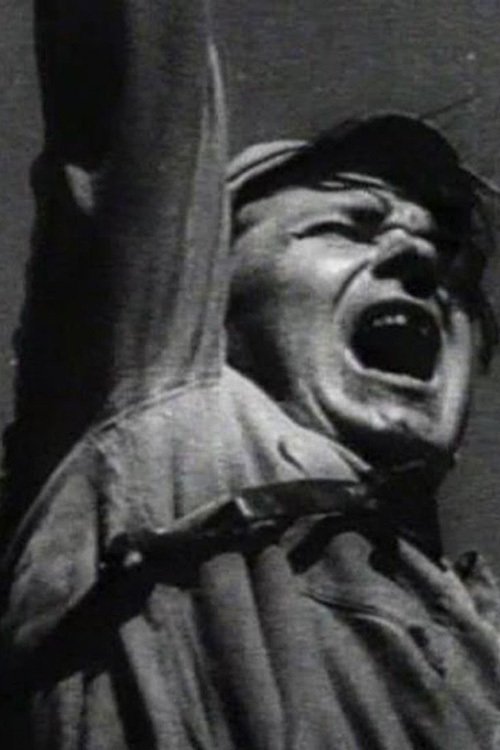
A Simple Case (1930) — AI Story Visualization

A Simple Case (1930) Poster

Plot Analysis Summary

A post-war drama exploring loyalty, temptation, and the difficult path to marital reconciliation.

Story Structure — 4 Plot Phases

Post-War Reunion

Three former Red Army commanders return to their hometown to serve at the military headquarters. Langovoy settles into domestic life with his wife Mashenka, while Uncle Sasha and Zhyoltikov share a bachelor room. The group adjusts to peacetime routines and establishes their new living arrangements.

Key Events

Domestic Trials & Temptation

Langovoy falls seriously ill, prompting Mashenka to spend sleepless nights nursing him back to health. After his recovery, Mashenka departs to visit her family, leaving Langovoy alone. During her absence, he rescues a woman from an accident and quickly becomes infatuated with her.

Key Events

Betrayal & Heartbreak

Langovoy's friends express quiet disapproval of his sudden romantic distraction. When Mashenka returns home, she discovers the truth and is heartbroken by the betrayal. Langovoy is consumed with guilt as the emotional rift between them widens significantly.

Key Events

Reconciliation & Resolution

Langovoy decides to actively reconcile with Mashenka, humbly seeking forgiveness for his actions. He successfully earns her forgiveness, restoring their marital bond. The story concludes with the couple finding peace and stability after navigating the crisis.

Key Events

Story Breakdown

As a response to criticism for the allegedly excessive “mass appeal” of his earlier epic STORM OVER ASIA (1928), Vsevolod Pudovkin unleashed his flair for experimentation in what was supposed to be the director’s first sound feature. Everything went wrong: technical problems forced him to complete the film as a silent; viewers were baffled by the lack of a recognizable plot; then, the ideological climate of the Soviet Union changed. He was now being blamed for catering to bourgeois taste! Time has come to set the record straight. Here’s lyrical cinema at its best, deliberately operatic and yet intimate as it matches the characters’ inner life with the solemn rhythms of nature, and depicted through breathtaking black-and-white photography. A sensation at last year’s Pordenone fest, Pudovkin’s long-forgotten swan song to the art of montage is resurrected by Gabriel Thibaudeau’s emotionally charged live music performance. –PCU (USSR, 1930, 75m)

Directed by

Vsevolod Pudovkin

Key Cast

Rating: 5.3/10 (12 votes)

Content sources

Plot analysis generated from content on Wikipedia, licensed under CC BY-SA 4.0.

Related entry on Wikidata (Q4381512), public domain (CC0).