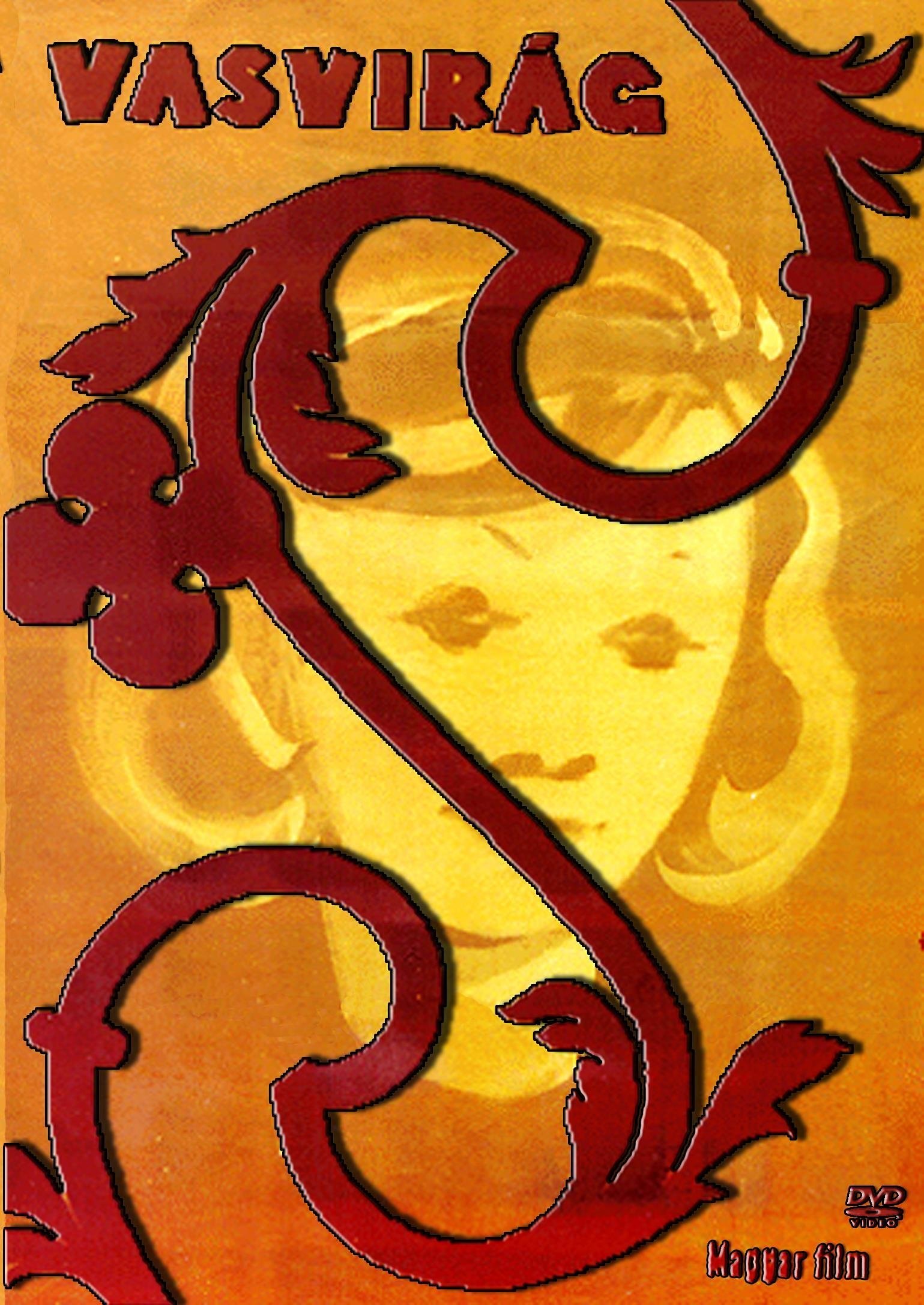
A socially bleak story contrasts poverty and brief happiness with exploitation and coercion.
The story introduces Óbuda in the 1930s and an excellent fabric dyer who is unemployed and homeless. He settles in a miserable hut on an abandoned plot and survives through casual work.
The dyer meets an orphaned worker at the viscose. Their time together brings several happy days into an otherwise difficult life.
The young worker's personal dream becomes clear: she wants to become a dancer like her mother. Her work at the local laundromat contrasts with this ambition.
The wealthy employer has long watched the young worker. When she arrives late, he uses the situation to blackmail her, turning the social tension into direct coercion.
János Herskó
Rating: 6.6/10 (5 votes)
Plot analysis generated from content on Wikipedia, licensed under CC BY-SA 4.0.
Related entry on Wikidata (Q6072520), public domain (CC0).