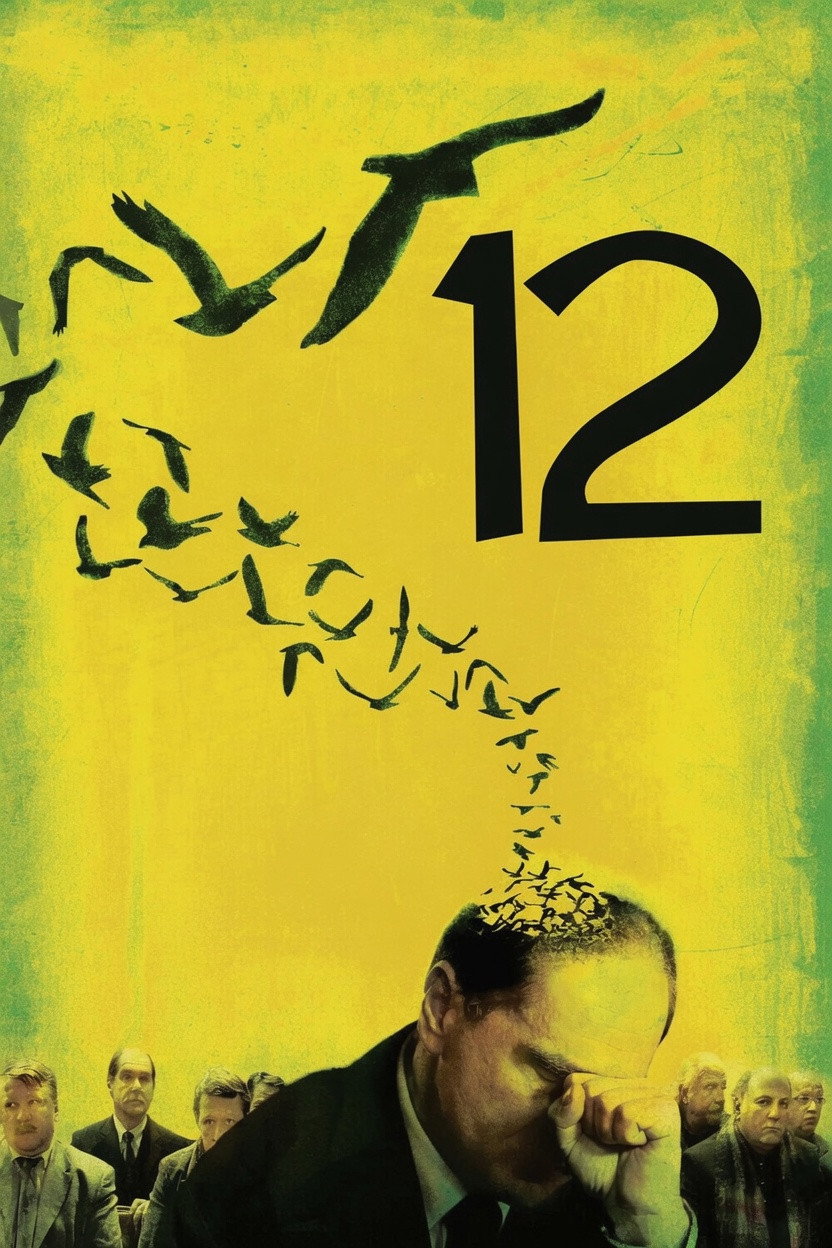
Plot Analysis Summary
Jurors examine the evidence, their assumptions, and a witness's possible motives while the supplied account ends before a verdict.
Story Structure — 4 Plot Phases
The Charge and First Doubts
The judge explains the requirement for a unanimous verdict and reminds the jury to consider reasonable doubt. The jurors begin deliberating, with some treating guilt as obvious and others challenging the fairness of that conclusion.
Key Events
-
Unanimous Verdict Instructions — The judge tells the jury to decide guilt unanimously and consider reasonable doubt. Characters: judge, The Boy
Location: Courtroom
-
Maximum Penalty Requested — The prosecution has requested the maximum penalty for the boy. Characters: The Boy
Location: Courtroom
-
Jury Deliberations Begin — The jurors begin debating whether the case is as obvious as some believe. Characters: juror #1, juror #2, juror #3, juror #4
Location: Jury deliberation room
-
Guilty View Asserted — Several jurors insist the boy is guilty and cite the prosecution's evidence. Characters: juror #1, juror #3, juror #4
Location: Jury deliberation room
Justice Beyond Procedure
A juror's account of a police chief choosing kindness over strict procedure opens a dispute about law and human circumstances. The jurors also consider how trust and personal relationships shape perception.
Key Events
-
Fairness Questioned — A juror argues that dislike of the defence lawyer or prejudice against the boy cannot prove guilt. Characters: juror #2, Defence Lawyer, The Boy
Location: Jury deliberation room
-
Police Chief Anecdote — A juror recounts a police chief choosing personal kindness over strict legal procedure. Characters: juror #1, juror #2
Location: Jury deliberation room
-
Law and Compassion Disputed — The anecdote prompts debate about legal rules and human circumstances. Characters: juror #1, juror #2, juror #3
Location: Jury deliberation room
-
Trust Shapes Perception — The jurors discuss how relationships and trust can influence what people notice. Characters: juror #2, juror #4, juror #1
Location: Jury deliberation room
Testing First Impressions
A hypothetical about signs of violence illustrates how quickly people can draw conclusions. The debate then returns to the eyewitness, whose opportunity to see the nighttime events is questioned.
Key Events
-
Violence Hypothetical Raised — A hypothetical about returning home to signs of violence illustrates how assumptions form. Characters: juror #2, juror #3, Juror #5
Location: Jury deliberation room
-
Eyewitness Certainty Challenged — A juror questions whether the eyewitness could see events clearly from across the street at night. Characters: juror #2, juror #4, The Boy
Location: Jury deliberation room
-
Jealousy Proposed as Motive — A juror proposes that jealousy may have influenced the witness's accusation. Characters: juror #2, The Boy
Location: Jury deliberation room
The Witness's Possible Motive
A juror suggests jealousy may have colored the witness's accusation and recalls details involving a cropped photograph and a letter about the deceased's marriage. The juror also cites the witness's mistaken accusation over misplaced money; the available dialogue ends before a verdict.
Key Events
-
Photograph Cropping Recalled — The juror recalls that the witness cropped the deceased's wife out of a photograph. Characters: juror #2
Location: Jury deliberation room
-
Marriage Letter Discussed — The juror recalls that the witness wrote to the deceased about his marriage. Characters: juror #2
Location: Jury deliberation room
-
Misplaced Money Recalled — The witness had accused the boy of taking money, then admitted she had misplaced it. Characters: juror #2, The Boy
Location: Jury deliberation room
-
Deliberation Remains Unresolved — The available dialogue ends as the jurors continue examining the witness's account; no verdict is given. Characters: juror #1, juror #2, juror #3, juror #4, The Boy
Location: Jury deliberation room