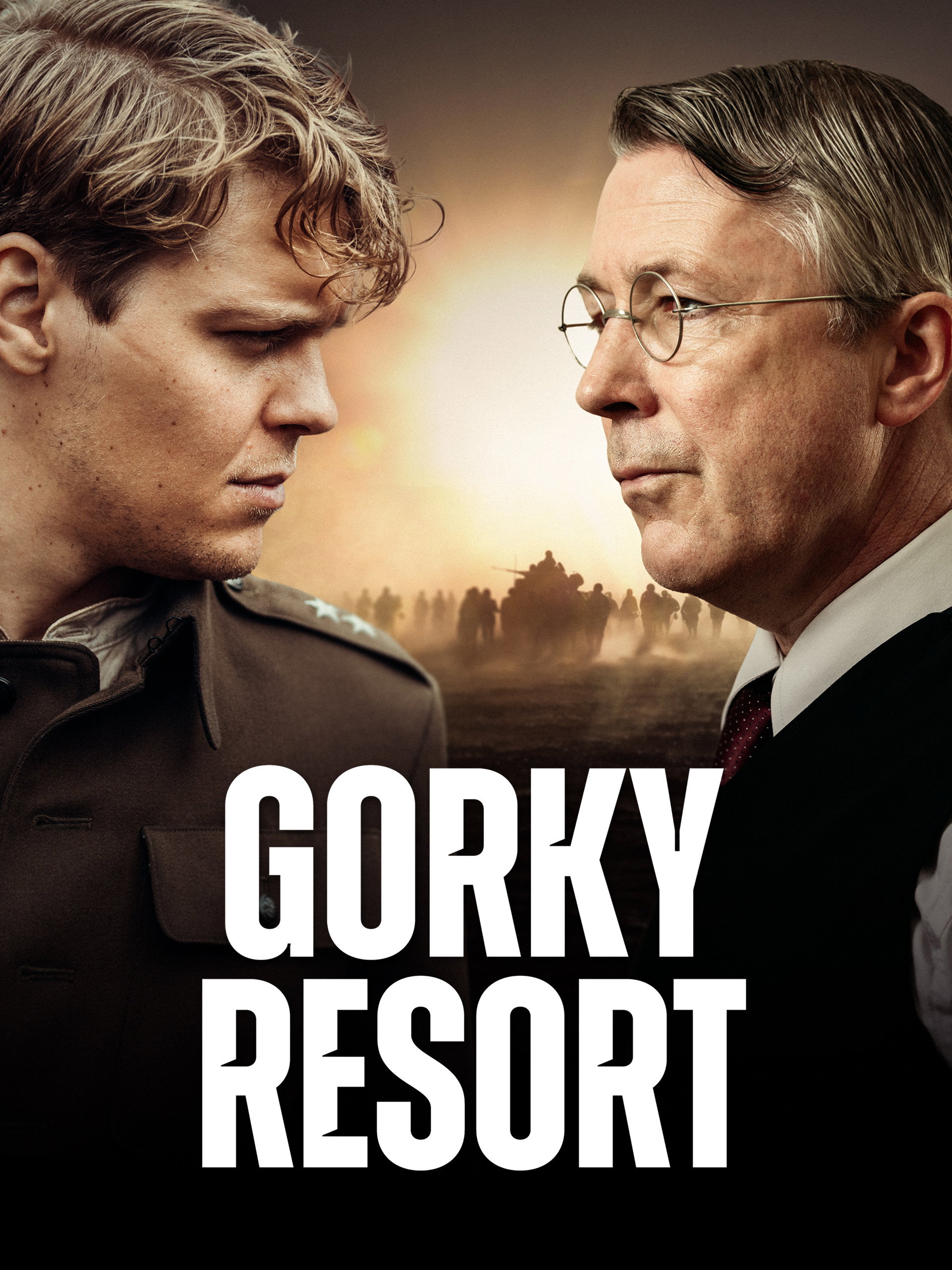
A psychological struggle in an isolated centre examines an attempt to break Polish elites through pressure, indoctrination, and forced capitulation.
Story Structure — 5 Plot Phases
Occupation and Arrests
The story is placed after the Soviet invasion of Poland in September 1939. Mass arrests of the Polish elite establish the historical and political context.
Key Events
Soviet Invasion of Poland — The story is connected to the Soviet invasion of Poland in September 1939.
Location: Poland
Mass Arrests Begin — The plot is associated with the mass arrests of the Polish elite by the USSR.
Location: Poland
Polish Elite Targeted — The Polish elite becomes the focus of the Soviet arrest campaign.
Location: Poland
Former Monastery — A former monastery is used as the setting for the centre.
Location: Former monastery
Centre Established — A centre is set up in the former monastery for the treatment of Polish elites.
Location: Former monastery
The Monastery Centre
A former monastery becomes a centre connected with the attempt to break Polish elites. Isolation and indoctrination define the institution's methods.
Key Events
Centre Established — A centre is set up in the former monastery for the treatment of Polish elites.
Location: Former monastery
Isolation Strategy — The centre uses isolation as part of an attempt to break the Polish elites.
Location: Centre in the former monastery
Indoctrination Begins — Indoctrination is presented as another method for breaking the imprisoned Polish elites.
Location: Centre in the former monastery
Prisoners Become Leverage — The prisoners' attitudes become relevant to the centre's effort to influence the group.
Location: Centre in the former monastery
Psychological Game Begins — The central plot develops around a psychological game conducted by an NKVD agent.
Location: Centre in the former monastery
The Psychological Game
An NKVD agent begins a psychological game against a selected prisoner, identified as a pianist. The intended objective is to force capitulation.
Key Events
Psychological Game Begins — The central plot develops around a psychological game conducted by an NKVD agent.
Location: Centre in the former monastery
Prisoner Selected — The NKVD agent directs the psychological game toward a selected prisoner.
Location: Centre in the former monastery
Pianist Drawn In — The selected prisoner is identified in the synopsis as a pianist.
Location: Centre in the former monastery
Capitulation Objective Revealed — The agent's goal is to force the pianist to capitulate.
Location: Centre in the former monastery
Individual Pressure Applied — The psychological contest focuses pressure on the selected prisoner.
Location: Centre in the former monastery
A Prisoner as Leverage
The selected prisoner's response carries significance beyond the individual contest. It could influence the attitudes of fellow prisoners.
Key Events
Individual Pressure Applied — The psychological contest focuses pressure on the selected prisoner.
Location: Centre in the former monastery
Group Attitudes At Stake — The prisoner's response could influence the attitudes of fellow prisoners.
Location: Centre in the former monastery
Private Contest Deepens — The conflict remains structured as a psychological contest between the agent and the selected prisoner.
Location: Centre in the former monastery
NKVD Agent Faces Resistance — The synopsis specifically connects the pianist with a clash against an NKVD agent.
Location: Centre in the former monastery
Clash Becomes Central — The clash between the pianist and the agent forms the central dramatic opposition.
Location: Centre in the former monastery
The Central Clash
The conflict between the pianist and the NKVD agent becomes the central dramatic opposition. The demand for capitulation reaches its decisive stage.
Key Events
Clash Becomes Central — The clash between the pianist and the agent forms the central dramatic opposition.
Location: Centre in the former monastery
Possible Collective Consequences — The outcome of the individual contest is framed as potentially affecting fellow prisoners.
Location: Centre in the former monastery
Capitulation Tested — The psychological game reaches its decisive test around the demand for capitulation.
Location: Centre in the former monastery
Prisoners' Attitudes Reconsidered — The plot's stakes culminate in the possible influence of one prisoner's response on the others.
Location: Centre in the former monastery
Story Breakdown
Soviet Occupation — The narrative is rooted in the Soviet invasion of Poland and its immediate political consequences.
September 1939 — The plot is connected to events following the Soviet invasion of Poland in September 1939.
Elite Arrests — Mass arrests of the Polish elite by the USSR form part of the historical background.
Monastery Centre — A former monastery is transformed into the setting for the campaign against the imprisoned Polish elites.
Former Monastery — The centre is established in a former monastery.
Institutional Control — The centre provides the controlled environment for isolation and indoctrination.
Breaking the Elites — The centre's stated purpose is to break Polish elites through psychological and ideological pressure.
Forced Isolation — Isolation is identified as one of the methods used in the attempt to break the prisoners.
Indoctrination Pressure — Indoctrination is associated with the centre's effort to alter the prisoners' attitudes.
The Selected Prisoner — The central psychological contest focuses on a selected prisoner who is identified as a pianist.
Pianist Targeted — The pianist is the prisoner chosen as the focus of the NKVD agent's strategy.
Capitulation Demand — The agent seeks to force the selected prisoner to capitulate.
NKVD Psychological Game — An NKVD agent conducts a psychological game designed to produce an individual surrender with broader consequences.
Agent's Strategy — The agent directs the contest against the selected prisoner rather than treating the conflict as purely institutional.
Individual Pressure — The central conflict is organized around psychological pressure placed on the pianist.
Collective Consequences — The individual's response matters because it could influence the attitudes of fellow prisoners.
Fellow Prisoners — The other prisoners form the wider group whose attitudes may be affected by the contest.
Central Clash — The pianist's clash with the NKVD agent concentrates the film's psychological and collective stakes.
The year is 1939. The world is falling into chaos. Thousands of Poles, held by the Russians in a former monastery, are subjected to brutal indoctrination. An ambitious enemy agent makes it a point of honour to break the resistance of one of them. He is a young, world-famous pianist, respected by his fellow prisoners. His capitulation may result in winning many others over to the enemy's side. An insidious game begins, full of sophisticated manipulation, threats and promises. Can the young artist, a loving father and husband, win a duel with an agent backed by the power and perfidy of the Russian system?