Everyman (1915) — AI Story Visualization

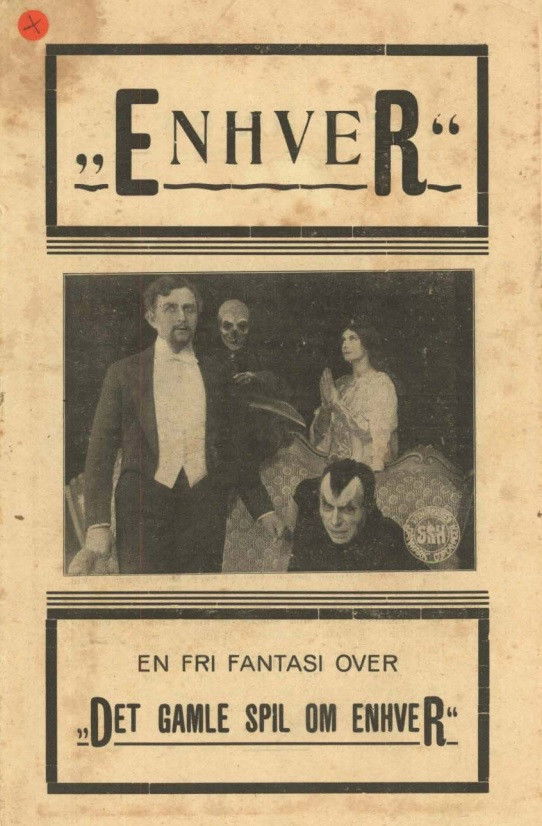
Everyman (1915) Poster

Plot Analysis Summary

A structural breakdown of the 1915 Danish silent film based on production metadata and cast information.

Story Structure — 4 Plot Phases

Danish Silent Origins

The project begins with script development in Danish and the appointment of director Vilhelm Glückstadt. Casting focuses on securing performers for the silent format.

Key Events

Monochrome Production

Principal photography commences under Ludwig Lippert's cinematography. Both Enhver and Actor navigate the technical demands of black and white silent filming.

Key Events

Visual Narrative Assembly

Post-production editing shapes the raw footage into a coherent story. The director's vision and the actors' physical performances are refined for release.

Key Events

Historical Release and Legacy

The film premieres in 1915, drawing comparisons to contemporary works. It is eventually preserved as a cultural artifact for archival study.

Key Events

Story Breakdown

In 1911 the German poet Hugo von Hofmansthal wrote a new version of the medieval morality play Everyman, and this was staged in Danish translation at the Royal Theatre in Copenhagen in 1915. At the time, it was radical example of symbolist abstraction. Its success inspired a film version, Enhver [Everyman], directed by Vilhelm Glückstadt for Filmfabrikken Danmark. The film, however, was set in a modern-day environment. It depict the moral choice confronting its protagonist at struggle because two attendant spirits, one good and one bad. The protagonist is tempted by dark figure of evil and succumbs, rejecting God and leading a life of iniquity, but he is then haunted by guilty visions until he finally dies, asking God for forgiveness at the last moment.

Directed by

Vilhelm Glückstadt

Key Cast

Rating: 6/10 (5 votes)

Content sources

Plot analysis generated from content on Wikipedia, licensed under CC BY-SA 4.0.

Related entry on Wikidata (Q20653100), public domain (CC0).