Story Structure — 4 Plot Phases
Adaptation & Production
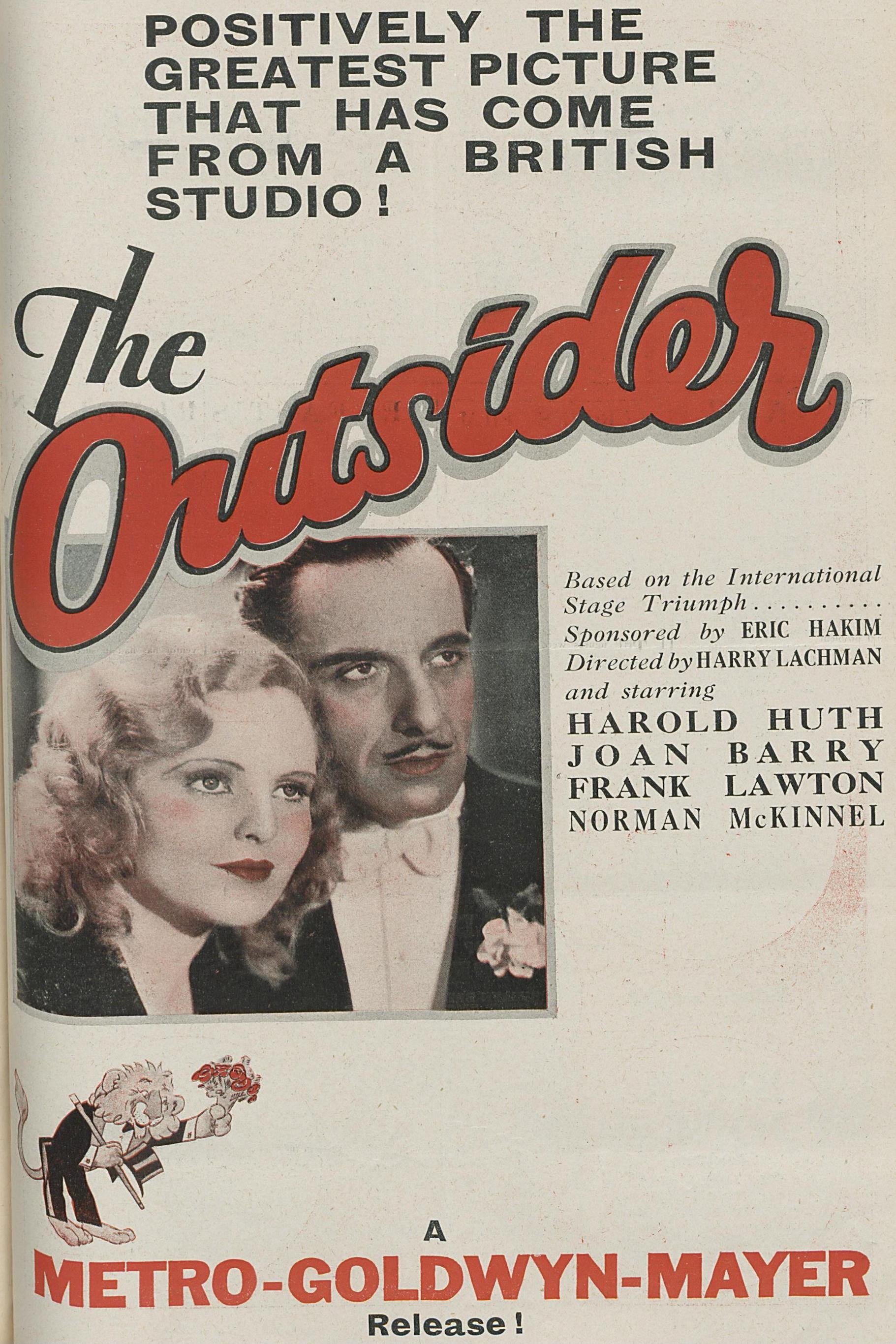
The film is developed from Dorothy Brandon's 1923 play and produced at Elstree Studios. Director Harry Lachman assembles the cast and set designer Wilfred Arnold to bring the medical drama to life.
Key Events
-
Film Production Initiation — Director and cast assemble to begin filming the British drama.
Location: Elstree Studios
-
Set Construction — Designer creates the visual environment for the medical drama.
Location: Elstree Studios
-
Play Adaptation — Screenplay adapts Dorothy Brandon's original stage work.
Location: Writing Room
-
Osteopath Introduction — The unorthodox osteopath establishes his unconventional practice.
Location: Medical Clinic
-
Silent Predecessor — Reference to the earlier American silent film adaptation.
Location: American Studio
-
Elstree Studios — Primary production facility where the film was shot.
Location: Elstree Studios
-
Screenplay Development — Adaptation of the 1923 play into cinematic format.
Location: Writing Room
Unorthodox Practice
Harold Huth's character introduces his unconventional osteopathic methods. Norman McKinnel's character, a traditional doctor, expresses skepticism as his daughter becomes the patient.
Key Events
-
Osteopath Introduction — The unorthodox osteopath establishes his unconventional practice.
Location: Medical Clinic
-
Patient Diagnosis — The daughter of a fellow doctor seeks treatment for her condition.
Location: Doctor's Office
-
Professional Skepticism — The traditional doctor questions the osteopath's unorthodox methods.
Location: Medical Conference
-
Treatment Commences — The osteopath begins applying his unique healing techniques.
Location: Therapy Room
-
Osteopathic Tools — Specialized instruments used for the unorthodox healing process.
Location: Clinic
Treatment & Rivalry
The osteopath begins therapy while professional tensions escalate between the two doctors. The patient shows gradual improvement, challenging traditional medical dogma.
Key Events
-
Medical Rivalry Escalates — Tensions rise as traditional and alternative approaches clash.
Location: Hospital Corridor
-
Therapeutic Progress — The patient shows visible improvement under the new treatment.
Location: Recovery Ward
-
Father's Doubt — The father doctor struggles to accept the unconventional cure.
Location: Family Home
Cure & Acclaim
The patient is successfully cured, validating the osteopath's approach. The film receives critical praise, and Harold Huth's performance is voted the best in British cinema.
Key Events
-
Patient Recovery — The osteopath successfully cures the patient, validating his methods.
Location: Clinic Garden
-
Professional Acceptance — The fellow doctor acknowledges the success of the unorthodox treatment.
Location: Medical Hall
-
Critical Acclaim — The film receives positive reception from critics and audiences.
Location: Film Premiere
-
Best Performance Award — Harold Huth's performance is voted the best in a British film.
Location: Awards Ceremony
-
Remake Announcement — Plans for the 1939 remake with new lead actors are finalized.
Location: Production Office
-
Legacy Recognition — The film's enduring impact and critical standing are documented.
Location: Film Archives