Story Structure — 4 Plot Phases
Origins of Clowning
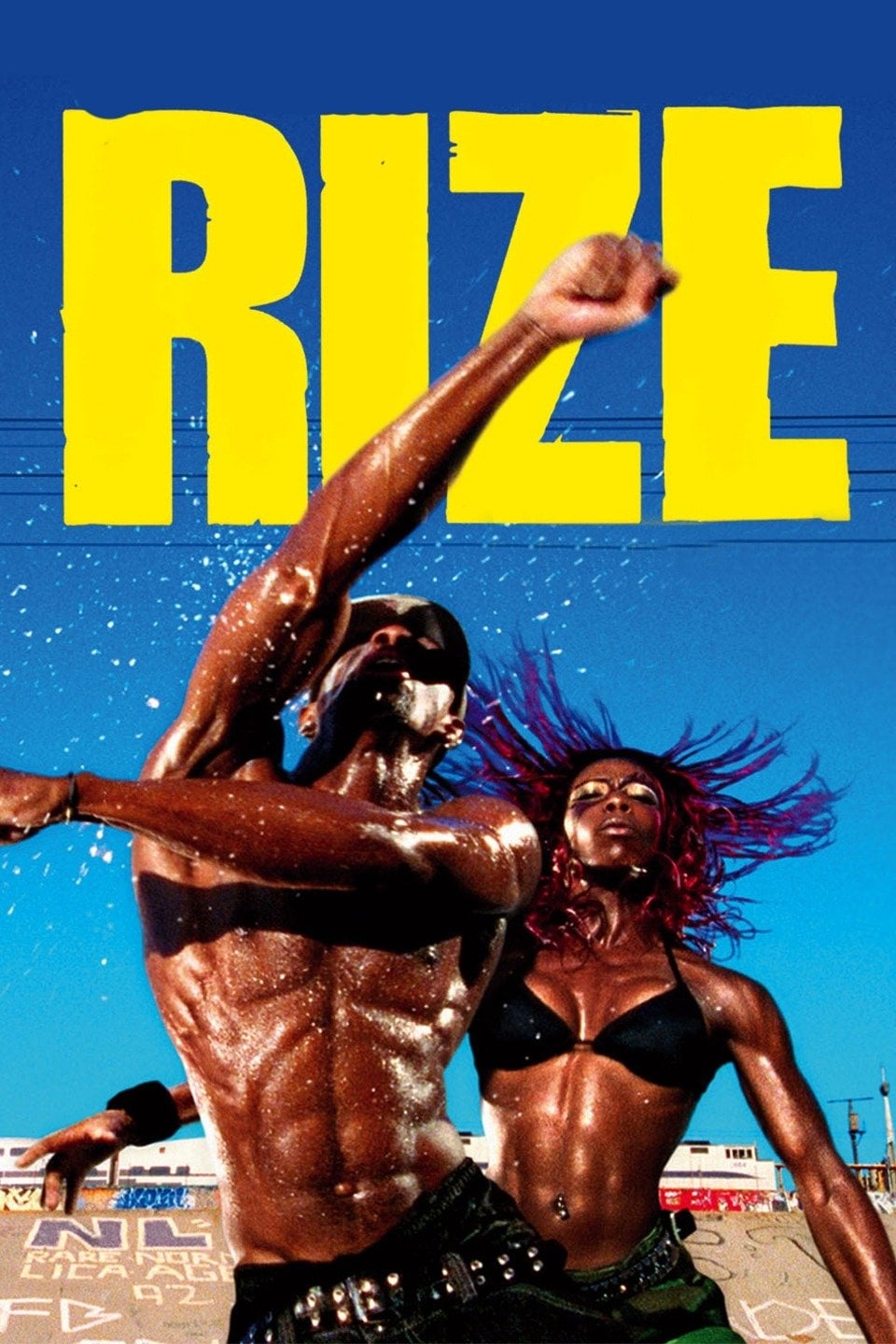
The documentary introduces clowning as a contemporary street art descended from 1980s breakdancing. Tommy the Clown shares his background and mission to provide an optimistic alternative for youth in troubled neighborhoods.
Key Events
-
Clowning Introduction — Documentary introduces clowning as a descendant of 1980s breakdancing.
Location: Los Angeles
-
Tommy's Mission Revealed — Tommy shares his background as a former drug dealer turned mentor.
Location: Interview Setting
-
Clowning Style Defined — Speedy limbs, hipness, and athletic tricks are demonstrated.
Location: Street Performance Area
-
Community Alternative — Clowning offered as an optimistic alternative to drive-by shootings.
Location: Neighborhood
Mission and Mentorship
Tommy's approach to clowning is detailed as a means of self-expression and positive energy channeling. The film establishes the cultural foundation that will later evolve into a new movement.
Key Events
-
Community Alternative — Clowning offered as an optimistic alternative to drive-by shootings.
Location: Neighborhood
-
Krumping Evolution — Krumping emerges and matures into its own distinct identity.
Location: Los Angeles
-
Krumping Characteristics — Free, exaggerated, and highly energetic movements are showcased.
Location: Dance Floor
-
Escaping Gang Life — Youths explain using dance to release anger positively and non-violently.
Location: Interview Setting
Evolution to Krumping
Krumping emerges as a distinct style characterized by free, exaggerated, and highly energetic movements. Pioneers like Miss Prissy and Dragon explain how the dance helps them escape gang life and release aggression non-violently.
Key Events
-
Escaping Gang Life — Youths explain using dance to release anger positively and non-violently.
Location: Interview Setting
-
Positive Energy Channel — Frustration is transformed into artistic self-expression.
Location: Community Center
-
Cultural Lineage — Direct stylistic connection between clowning and krumping is established.
Location: Documentary Archive
-
African Dance Ties — Film draws creative ties between African rituals and krumping.
Location: Soundtrack Studio
The Battle Zone Climax
The narrative culminates in The Battle Zone at the Great Western Forum, where clowns and krumpers face off. The event showcases the cultural lineage, musical ties to African rituals, and the unifying power of street dance.
Key Events
-
Battle Zone Announcement — Dance battle between clowns and krumpers is announced for 2004.
Location: Great Western Forum
-
Venue Preparation — Dancers gather and prepare for the high-stakes competition.
Location: Great Western Forum
-
Clowning Showcase — Clowns perform flowing limbs and confounding athletic tricks.
Location: Great Western Forum Stage
-
Krumping Response — Krumpers counter with highly energetic and exaggerated movements.
Location: Great Western Forum Stage
-
Crowd Reaction — Audience responds with intense energy to the cultural exchange.
Location: Great Western Forum Audience
-
Musical Integration — Rhythmic beats amplify the dance battle's intensity.
Location: Great Western Forum Stage
-
Climactic Exchange — Styles merge in a high-stakes performance showcasing unity.
Location: Great Western Forum Center
-
Positive Release — Anger and frustration are fully channeled into artistic release.
Location: Great Western Forum Stage
-
Community Unity — Dance bridges divides in besieged neighborhoods.
Location: Los Angeles Streets
-
Documentary Conclusion — Film ends highlighting the lasting cultural impact of Rize.
Location: Los Angeles