Story Structure — 5 Plot Phases
The Illusion Of Identity
A fragmentary opening develops into a meditation on perception, thought, and personal identity. The supposed self is presented as an image within a mental film.
Key Events
-
Repeated Attempt To Wake — A fragmentary comic exchange repeatedly tries to wake someone and arrange a conversation.
Location: Unspecified conversational setting
-
Reality Becomes Questionable — The opening exchange gives way to questions about perception and the nature of reality.
Location: Unspecified conversational setting
-
Thought Replaces Direct Experience — The discussion argues that people experience thoughts, memories, knowledge, and reactions rather than reality directly.
Location: Unspecified reflective setting
-
The Self As Mental Image — The supposed self is described as another image appearing within a mental film.
Location: Unspecified reflective setting
-
Projector And Television Metaphors — Human beings are compared to a projector, lamp, or television rather than to fictional personalities.
Location: Unspecified reflective setting
-
Attention Turns Toward Awareness — The discussion proposes observing thoughts instead of identifying completely with them.
Location: Unspecified reflective setting
Examples Against Certainty
Dreams, a coffee cup, a table, and a mirage demonstrate how appearances and interpretations shape experience. Recognizing illusion is presented as a way to reduce its control.
Key Events
-
Attention Turns Toward Awareness — The discussion proposes observing thoughts instead of identifying completely with them.
Location: Unspecified reflective setting
-
Dreams Test Perception — Dreams are used as an example of how convincing an experience can be without being ordinary reality.
Location: Unspecified reflective setting
-
Coffee Cup Example — A coffee cup becomes an example in the examination of perception and interpretation.
Location: Unspecified everyday setting
-
Table And Mirage Examples — A table and a mirage further illustrate the difference between appearance and interpretation.
Location: Unspecified everyday setting
-
Illusion Loses Its Control — Recognizing an illusion does not erase it, but can prevent it from controlling behavior.
Location: Unspecified reflective setting
-
Happiness And Compassion — The insight is connected with happiness, openness, compassion, and loosening a fixed personality.
Location: Unspecified reflective setting
The Paradox Of Release
The discussion connects awareness with happiness, compassion, and openness. It then confronts the paradox that trying to let go of the self is still an action of the self.
Key Events
-
Happiness And Compassion — The insight is connected with happiness, openness, compassion, and loosening a fixed personality.
Location: Unspecified reflective setting
-
The Paradox Of Letting Go — Trying to abandon the self remains an action performed by the self it seeks to escape.
Location: Unspecified reflective setting
-
Spiritual Willpower Fails — The discussion concludes that spiritual understanding cannot simply be achieved through willpower.
Location: Unspecified reflective setting
-
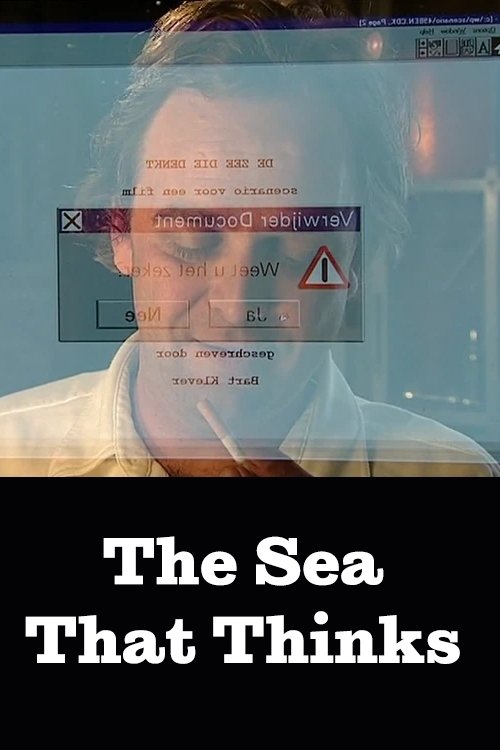
Shadows Of Leaves Screenplay — Bart works intensely on a screenplay titled SHADOWS OF LEAVES and feels he has found a gold mine. Characters: Bart Klever
Location: Bart's screenplay workspace
Art Consumes The Everyday
Bart works intensely on SHADOWS OF LEAVES, incorporating interviews and images into his creation. His artistic process increasingly blurs the boundary between ideas and ordinary life.
Key Events
-
Shadows Of Leaves Screenplay — Bart works intensely on a screenplay titled SHADOWS OF LEAVES and feels he has found a gold mine. Characters: Bart Klever
Location: Bart's screenplay workspace
-
Images Enter The Screenplay — Interview fragments and images become part of the film Bart is creating. Characters: Bart Klever
Location: Bart's screenplay workspace
-
Art Blurs Ordinary Life — Bart's work increasingly absorbs him and blurs the boundary between his ideas and ordinary life. Characters: Bart Klever
Location: Bart's screenplay workspace
-
Marga Calls Bart — Marga calls Bart after being away for two months, bringing their personal relationship into focus. Characters: Bart Klever, Marga
Location: Telephone conversation
Reality Interrupts The Project
Marga calls after two months away and confronts Bart for missing her at the airport. Bart treats the argument as artistic material, leaving both the relationship and his search unresolved.
Key Events
-
Marga Calls Bart — Marga calls Bart after being away for two months, bringing their personal relationship into focus. Characters: Bart Klever, Marga
Location: Telephone conversation
-
Missed Airport Meeting — Marga angrily says Bart failed to meet her at the airport after her absence. Characters: Bart Klever, Marga
Location: Telephone conversation about the airport
-
Personal Conflict Becomes Material — Marga insists their situation is real, while Bart treats the conflict as material for his project. Characters: Bart Klever, Marga
Location: Telephone conversation
-
Unresolved Search And Relationship — The film ends with Bart's ideas unfinished and his relationship with Marga unresolved. Characters: Bart Klever, Marga
Location: Unspecified ending setting
Incredible optical illusions in a story in a story in a story helps the surprised viewer finally to find out that he has been watching himself all along.