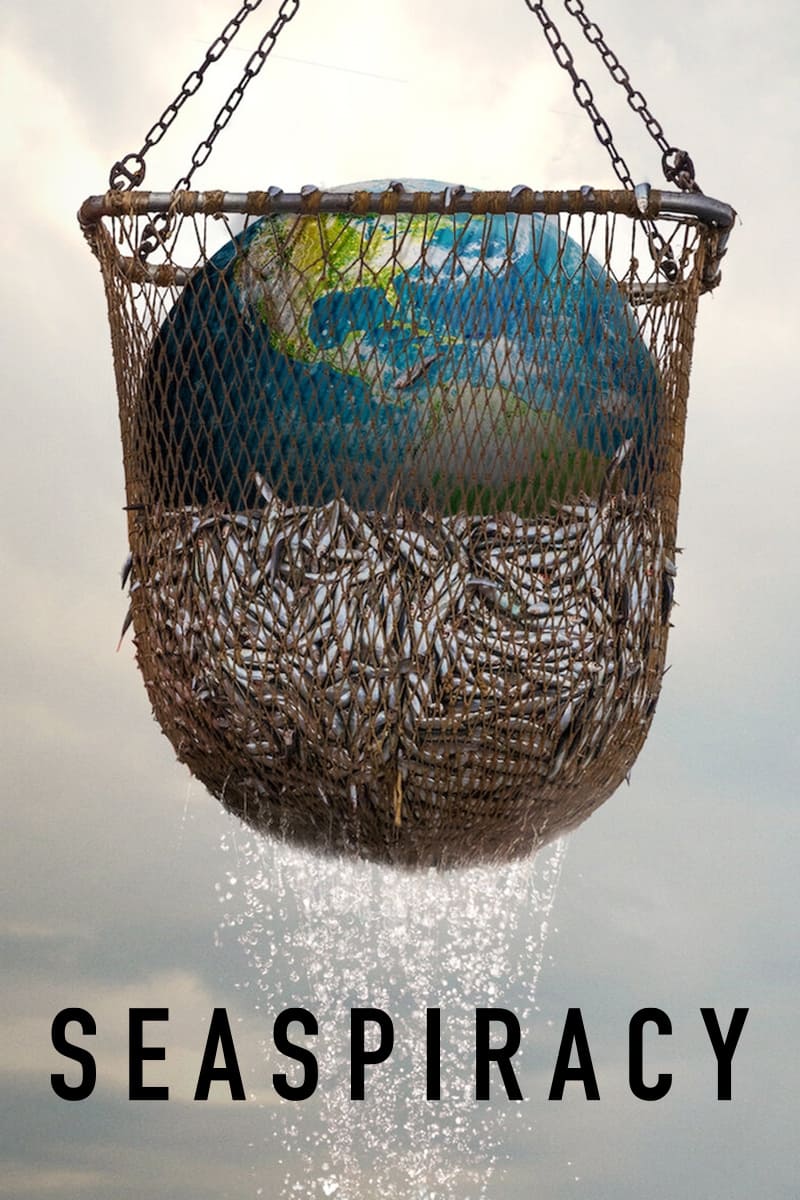
Plot Analysis Summary
The film investigates industrial fishing, marine destruction, and human exploitation before arguing for the cessation of fish consumption.
Story Structure — 5 Plot Phases
The Ocean Crisis Emerges
The film introduces collapsing marine populations and reframes the plastic pollution debate. It emphasizes ghost nets and bycatch as larger threats than small consumer plastics.
Key Events
-
Marine Population Collapse — The film introduces severe declines in whales, sharks, dolphins, and sea turtles.
Location: Global oceans
-
Plastic Debate Reframed — The film contrasts consumer plastics with larger waste from fishing equipment.
Location: Global oceans
-
Ghost Net Investigation — Abandoned fishing gear is presented as a major source of ocean plastic.
Location: Coastal waters
-
Bycatch Exposed — The film connects fishing practices with the unintended killing of marine animals.
Location: Commercial fishing grounds
Hidden Costs Of Seafood
The investigation questions sustainability labels and visits dolphin hunting, whaling, and fish markets. Hidden-camera material presents increasing danger and uncertainty.
Key Events
-
Sustainability Claims Questioned — The film questions whether sustainable fishing and dolphin-safe seafood can be effectively defined.
Location: Global seafood industry
-
Taiji Dolphin Hunt — The investigation visits the dolphin drive hunt in southern Japan.
Location: Taiji, Japan
-
Hidden Camera Peril — The film presents hidden-camera reporting amid possible danger from local authorities.
Location: Taiji, Japan
-
Faroe Whaling — The investigation examines whaling activities in the Faroe Islands.
Location: Faroe Islands
Illegal Seas And Exploitation
The film examines coastal West Africa and illegal fishing in Liberian waters. It connects fishing activity with worker exploitation and modern slavery on Thai vessels.
Key Events
-
Asian Fish Markets — Thai and Chinese markets are used to examine seafood commerce.
Location: Thai and Chinese fish markets
-
West African Coast — The film moves to coastal West Africa to investigate fishing activity.
Location: Coastal West Africa
-
Illegal Fishing Documented — The film documents illegal fishing practices in Liberian waters.
Location: Liberian waters
-
Worker Exploitation Revealed — The investigation links illegal fishing with exploitation of fishing workers.
Location: Liberian waters
-
Sea Shepherd Operations — Sea Shepherd activities feature prominently in the direct-action investigation.
Location: At sea
-
Thai Vessel Slavery — The film investigates modern slavery conditions on Thai fishing vessels.
Location: Thai fishing vessels
The Aquaculture Detour
Aquaculture is introduced as a possible alternative to wild fishing. The Scottish salmon investigation challenges that possibility through feed, disease, and coastal degradation.
Key Events
-
Survivor Accounts — Survivors describe conditions connected to exploitation aboard fishing vessels.
Location: Interview settings
-
Scottish Salmon Farms — The investigation examines salmon aquaculture farms in Scotland.
Location: Scotland
-
Aquaculture Feed Problem — The film argues that farmed fish still depend on problematic feed sources.
Location: Scottish salmon farms
-
Farm Disease And Degradation — Disease and coastal degradation are presented as problems of aquaculture.
Location: Scottish coastal farms
A Final Consumer Verdict
The film projects further collapse of fish populations and presents stopping fish consumption as its consistent solution. The conclusion links ocean protection with ending human exploitation.
Key Events
-
Fishless Ocean Projection — The film repeats claims that oceans could be essentially devoid of fish by 2048.
Location: Global oceans
-
Stop Eating Fish — The film concludes that ending fish consumption addresses ecological collapse and human exploitation.
Location: Global society