Story Structure — 4 Plot Phases
Rapid Response Conception
Morris and Silver conceptualize the documentary as a direct counter to Fahrenheit 9/11, leveraging affordable technology to meet a strict 28-day production deadline.
Key Events
-
Documentary Conception — Morris and Silver conceptualize the film as a direct response to Fahrenheit 9/11.
Location: Production Office
-
Rapid Production Start — The team commits to a tight 28-day production timeline.
Location: Production Office
-
Technology Enablement — Improved affordable technology enables quick documentary creation.
Location: Tech Lab
-
Script Co-Writing — Dick Morris takes a co-writing credit, shaping the documentary's narrative.
Location: Writing Room
-
Mid-2000s Wave — Film emerges as part of a broader wave of accessible documentaries.
Location: Media Industry
Political Voices & Interviews
The production team conducts and records interviews with key political figures and commentators, gathering diverse perspectives to build the documentary's argument.
Key Events
-
Narration Recording — Ron Silver records the narration, setting the documentary's authoritative tone.
Location: Voiceover Booth
-
Political Outreach — Morris contacts various political figures for participation.
Location: Campaign Offices
-
Frum Interview — Political analyst David Frum provides analysis on the political climate.
Location: Studio
-
Miller Interview — Interview with Georgia Democratic Senator Zell Miller is conducted.
Location: Senate Office
-
Coulter Interview — Segment featuring social and political commentator Ann Coulter.
Location: Studio
-
Production Milestone — 28-day production deadline is met successfully.
Location: Production Office
Editing & Narrative Synthesis
Silver's narration and Morris's editing converge, weaving interviews and archival footage into a cohesive counter-narrative that directly challenges Moore's film.
Key Events
-
Coulter Interview — Segment featuring social and political commentator Ann Coulter.
Location: Studio
-
Koch Interview — Interview with former Democratic NYC mayor Ed Koch is conducted.
Location: NYC Office
-
Archival Integration — Morris edits in relevant footage to support the documentary's arguments.
Location: Editing Suite
-
Narrative Synthesis — Silver's narration and Morris's editing converge into a cohesive argument.
Location: Editing Suite
-
Narrative Counter — Silver and Morris refine arguments to directly address Moore's claims.
Location: Editing Suite
-
Interview Compilation — Morris compiles and sequences all political figure interviews.
Location: Editing Suite
Release & Cultural Impact
The documentary and its companion book launch simultaneously on October 5, 2004, sparking public debate and cementing its role in the mid-2000s documentary wave.
Key Events
-
Narrative Synthesis — Silver's narration and Morris's editing converge into a cohesive argument.
Location: Editing Suite
-
Counter-Argument Build — Core arguments directly challenge the premises of the original film.
Location: Film Screen
-
Companion Book Dev — A companion book is developed alongside the film's release.
Location: Publishing Office
-
Release Strategy — Strategic release planned to coincide with Fahrenheit 9/11 home video launch.
Location: Distribution Center
-
Book Launch — Accompanying book is published and sold alongside the film.
Location: Bookstore
-
Home Video Release — The documentary is released on home video on October 5, 2004.
Location: Retail Stores
-
Direct Response — The film positions itself explicitly as a counter-narrative to Michael Moore's work.
Location: Cultural Landscape
-
Final Review — Final cut is reviewed and approved for public distribution.
Location: Screening Room
-
Audience Reception — Audiences and critics engage with the documentary's political stance.
Location: Cinemas & Home
-
Media Discourse — Interviewees' statements enter broader political and media discussions.
Location: Media Outlets
-
Public Debate — Film sparks public debate mirroring the original documentary's impact.
Location: Public Sphere
-
Historical Context — Interviews serve as historical records of early 2000s political discourse.
Location: Media Archive
-
Documentary Legacy — The film remains a notable example of rapid-response political documentaries.
Location: Film Archives
-
Distribution Prep — Final preparations for wide retail and home video distribution.
Location: Distribution Center
-
Cultural Impact — The documentary solidifies its place in political media history.
Location: Public Sphere
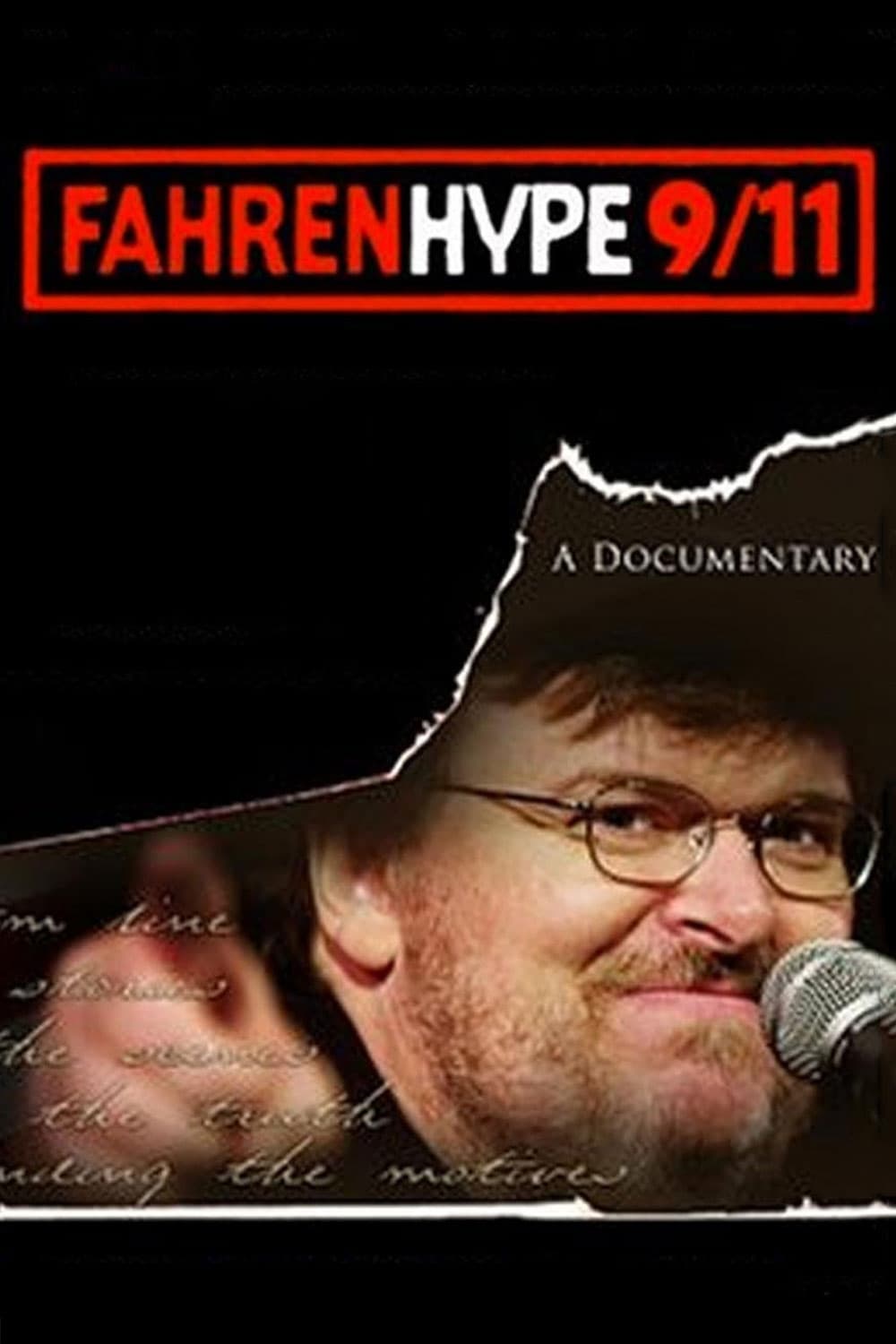
A documentary which refutes and debunks facts made by Michael Moore in his film "Fahrenheit 9/11".