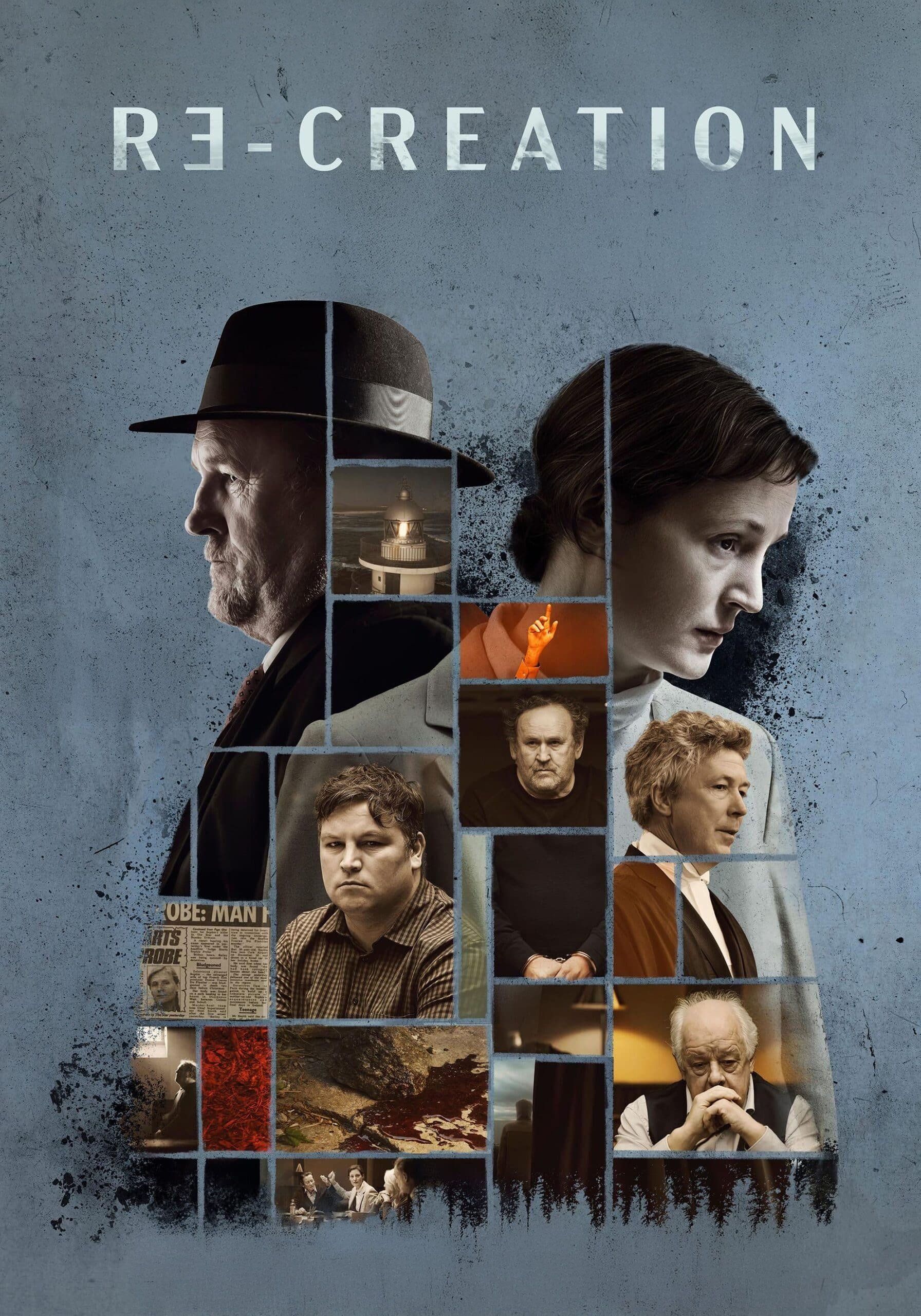
Re-Creation (2025) character relationship network mapped with AI analysis. Explore the connections, alliances, and conflicts between characters.
Characters
Juror 1
(played by Jim Sheridan) — supporting
One of the twelve jurors participating in the deliberation for the Sophie Toscan du Plantier murder case. Engages in the group's decision-making process following a classic jury drama structure.
Juror 2
(played by Tristan Heanue) — supporting
Serves as a juror in the Sophie Toscan du Plantier murder case deliberation. Takes part in the collective examination of evidence and reasoning.
Juror 3
(played by John Connors) — supporting
Member of the jury reviewing the Sophie Toscan du Plantier murder case. Participates in the structured discussion and final verdict determination.
Juror 4
(played by Gilbert Johnston) — supporting
Serves on the jury deliberating the Sophie Toscan du Plantier murder case. Contributes to the group's analysis and decision-making process.
Juror 10
(played by Brian Doherty) — minor
Juror 11
(played by Maja Jurić) — minor
Story Dynamics
Alliances, conflicts, and narrative interactions that evolve throughout the story.
Juror 4 → Juror 11
(Alliance Fellow Juror) — They participate in the same collective evaluation.
Both characters are described as jurors contributing to the group's analysis and decision-making.
Juror 4 → Juror 10
(Alliance Fellow Juror) — Their demonstrated connection is their common jury assignment.
Juror 4 and Juror 10 are both listed among the jurors deliberating the murder case.
Juror 3 → Juror 11
(Alliance Fellow Juror) — They share responsibility for the jury's determination.
Both are identified as jurors involved in the case's structured discussion and final decision.
Juror 3 → Juror 10
(Alliance Fellow Juror) — They are connected through the jury process.
Both are listed as participants in the jury deliberation concerning the murder case.
Juror 3 → Juror 4
(Alliance Fellow Juror) — They share the jury's analytical and decision-making duty.
Juror 3 and Juror 4 are both members of the jury reviewing the same murder case.
Juror 2 → Juror 4
(Alliance Fellow Juror) — Their relationship is institutional rather than personal in the supplied plot.
Both are listed as jurors contributing to the collective analysis of the murder case.
Juror 2 → Juror 3
(Alliance Fellow Juror) — They belong to the same jury reviewing the case.
Both characters are described as jurors participating in the examination and determination of the case.
Juror 1 → Juror 11
(Alliance Fellow Juror) — They take part in the shared deliberative structure.
Juror 1 and Juror 11 are both identified as jurors in the murder-case deliberation.
Juror 1 → Juror 10
(Alliance Fellow Juror) — Their connection is defined by membership in the same jury.
Juror 1 and Juror 10 are both listed as participants in the jury deliberation.
Juror 1 → Juror 4
(Alliance Fellow Juror) — They share responsibility for examining the case and reaching a decision.
Both are listed among the jurors deliberating the murder case.
Juror 1 → Juror 3
(Alliance Fellow Juror) — They participate in the same collective decision-making process.
Both are identified as members of the jury reviewing the Sophie Toscan du Plantier murder case.
Juror 1 → Juror 2
(Alliance Fellow Juror) — They share membership in the deliberating jury.
Both are listed as jurors participating in the deliberation of the Sophie Toscan du Plantier murder case.
Story Analysis
A mystery thriller dramatizing a jury's deliberation over the Sophie Toscan du Plantier murder case through a Twelve Angry Men-inspired structure.
Plot Progression
A Case Enters Deliberation
— The film establishes the murder case involving Sophie Toscan du Plantier and introduces the jury-centered dramatic premise. The deliberation becomes the main narrative setting.
Reasoning Under Examination
— The jurors examine the case through structured discussion, evidence review, and collective reasoning. The supplied material links this process to the model of Twelve Angry Men.
The Jury Reconsiders
— The jury's continuing analysis becomes increasingly focused on reaching a determination. Case-connected figures remain part of the broader legal or investigative framework.
Toward A Verdict
— The deliberative structure moves toward final verdict determination. The narrative closes around the jury's decision-making process rather than providing additional plot details in the supplied refere...