Story Structure — 4 Plot Phases
Occupation and Displacement
František's academic ambitions are shattered by wartime occupation, forcing him into factory labor. He navigates the harsh new reality while encountering Hrabě, a figure who immediately challenges his worldview.
Key Events
-
František's Background — Young man from simple family graduates from real school, aiming for tech studies.
Location: School/Home
-
Occupation Disruption — War occupation forces František to abandon studies and take a factory job.
Location: City Streets
-
Factory Assignment — František begins working as a factory assistant under difficult conditions.
Location: Factory Floor
-
Meeting Hrabě — František encounters Telec, known as Hrabě, an older man with a distinct presence. Characters: Hrabě
Location: Factory Break Room
-
Hrabě's Persona — Hrabě displays ostentatious disdain for work and shameless flirtation with women. Characters: Hrabě
Location: Factory Floor
The Count's World
Hrabě introduces František to a life of cynicism, vice, and social climbing. Through blackmail, theft, and flirtation, Hrabě establishes himself as a dominant and morally bankrupt force.
Key Events
-
Hrabě's Persona — Hrabě displays ostentatious disdain for work and shameless flirtation with women. Characters: Hrabě
Location: Factory Floor
-
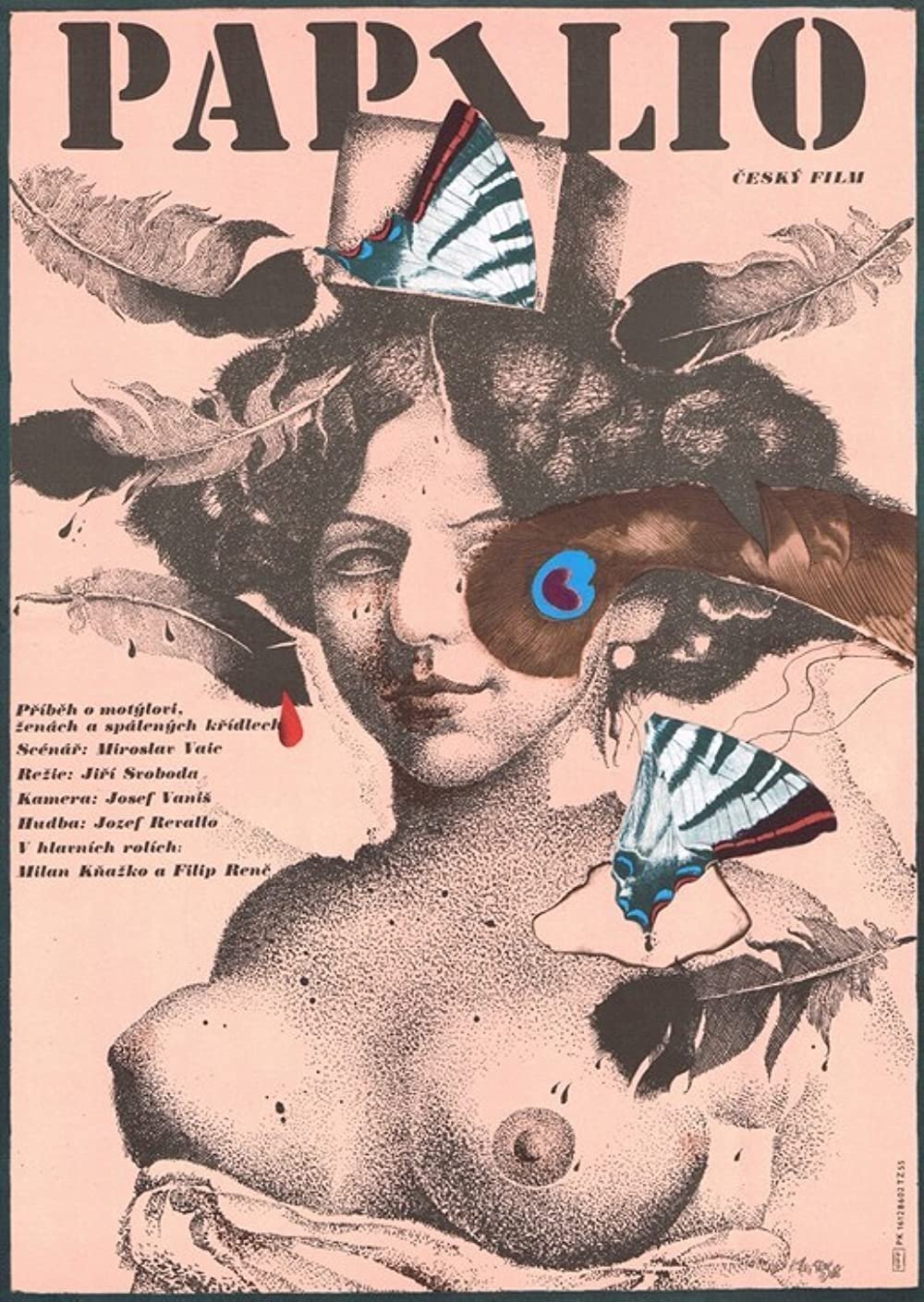
The Nickname — Hrabě bestows the nickname Papilio upon František, mocking his fragile idealism. Characters: Hrabě
Location: Factory Yard
-
Ideological Clash — František's youthful ideals confront Hrabě's crude individualism in heated discussion. Characters: Hrabě
Location: Tavern
-
Hrabě's Past Revealed — Hrabě recounts his rise from business academy student and theatre actor to gallery member. Characters: Hrabě
Location: Tavern
-
Blackmail Scheme — Hrabě engages in blackmail, leveraging secrets for personal gain and amusement. Characters: Hrabě
Location: Office
-
Theft and Debauchery — Hrabě steals and drinks heavily, fully embracing his amoral lifestyle. Characters: Hrabě
Location: City Streets
Ideological Corruption
The clash between František's idealism and Hrabě's individualism intensifies. František witnesses Hrabě's abuse of women and himself, leading to profound disillusionment and the symbolic breaking of his innocence.
Key Events
-
Theft and Debauchery — Hrabě steals and drinks heavily, fully embracing his amoral lifestyle. Characters: Hrabě
Location: City Streets
-
Women's Plight — Hrabě abuses women, highlighting his predatory nature and the era's social decay. Characters: Hrabě
Location: Tavern
-
František's Disillusionment — František witnesses Hrabě's corruption and begins losing his youthful innocence.
Location: Factory
-
The Butterfly Metaphor — Hrabě explicitly states he abuses in a way Papilio himself, symbolizing spiritual corruption. Characters: Hrabě
Location: Park
-
Moral Crossroads — František faces a critical choice between maintaining his ideals or succumbing to cynicism.
Location: Home
-
Hrabě's Influence Peaks — Hrabě's pre-war gallery connections and social climbing reach their zenith. Characters: Hrabě
Location: Gallery
Fall and Transformation
Hrabě's reckless lifestyle culminates in his downfall, while František hardens his character to survive. The narrative resolves with František accepting the harsh realities of the era, forever changed by his mentor.
Key Events
-
Hrabě's Influence Peaks — Hrabě's pre-war gallery connections and social climbing reach their zenith. Characters: Hrabě
Location: Gallery
-
František's Transformation — František adopts a more hardened demeanor, mirroring Hrabě's pragmatic survival tactics.
Location: Factory
-
Confrontation with Reality — The two men clash over the meaning of survival during the occupation. Characters: Hrabě
Location: Streets
-
Hrabě's Downfall — Hrabě's reckless behavior and enemies catch up, leading to his inevitable ruin. Characters: Hrabě
Location: Alley
-
František's Resolve — František solidifies his new worldview, accepting the harsh realities of the era.
Location: Factory
-
Legacy of Papilio — The film concludes with the lingering impact of Hrabě's corruption on František's future. Characters: Hrabě
Location: Cityscape