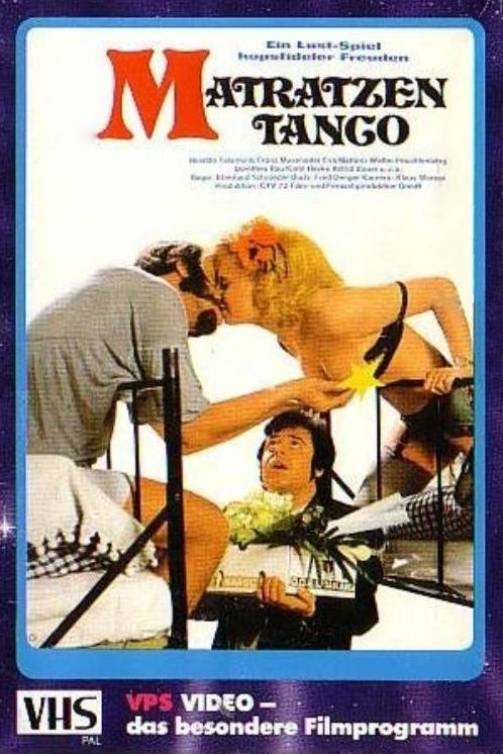
Plot Analysis Summary
A structural breakdown of the film's creative development, technical execution, and 1973 cultural premiere.
Story Structure — 4 Plot Phases
Conceptual Foundation
The film is established as a German comedy project. Initial creative direction and genre expectations are set.
Key Events
-
Comedy Genre Establishment — The film is introduced as a German comedy production directed by Eberhard Schröder.
Location: Germany
-
Creative Team Assembly — Producer Horst Hächler oversees the project while key creative roles are assigned.
Location: Production Studio
Creative Development
Key production roles are assigned and the original script is drafted. Visual planning begins under the director.
Key Events
-
Creative Team Assembly — Producer Horst Hächler oversees the project while key creative roles are assigned.
Location: Production Studio
-
Script & Visual Development — Fred Denger writes the original script while Klaus Werner handles cinematography.
Location: Writing Room
Production Execution
Cinematography and editing processes are highlighted. Technical craftsmanship drives the narrative forward.
Key Events
-
Script & Visual Development — Fred Denger writes the original script while Klaus Werner handles cinematography.
Location: Writing Room
-
Post-Production Phase — Ingeborg Taschner edits the film, refining pacing and narrative flow.
Location: Editing Suite
Cultural Premiere
The completed film is released in 1973. It enters the cultural landscape alongside contemporary hits.
Key Events
-
Post-Production Phase — Ingeborg Taschner edits the film, refining pacing and narrative flow.
Location: Editing Suite
-
1973 Theatrical Release — The completed film premieres in 1973, contextualized alongside major contemporary releases.
Location: Cinema