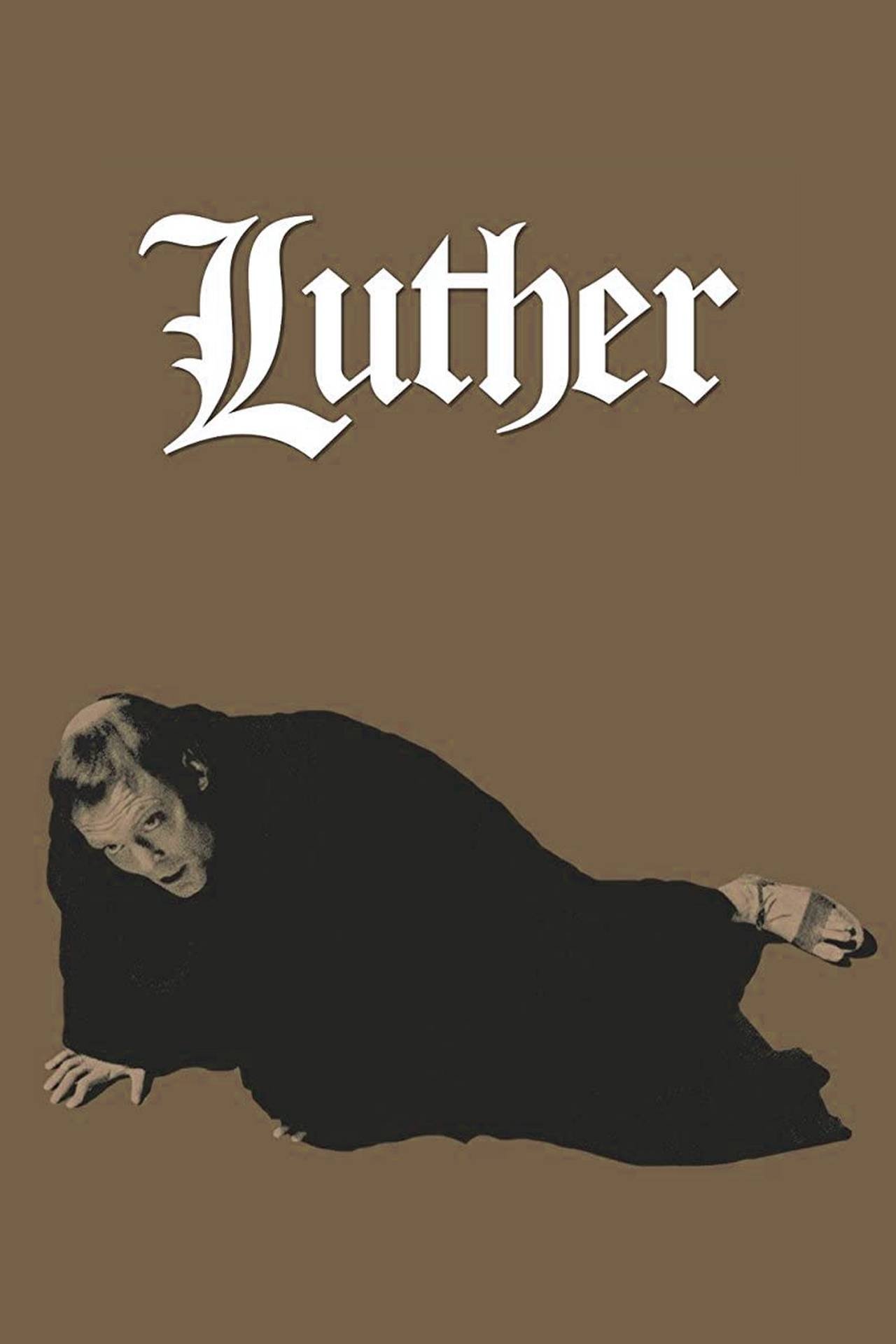
Plot Analysis Summary
A monk's struggle with guilt, authority, faith, and political consequence develops into a public religious challenge and a fragile hope.
Story Structure — 5 Plot Phases
The Monastery of Fear
The film introduces a monk overwhelmed by sin, darkness, bodily discipline, and fear before his first Mass. Brother Weinand offers a message of forgiveness.
Key Events
-
Blood-Stained Pulpit — A wounded knight accuses the preacher of abandoning supporters and wipes blood across his white surplice.
Location: Pulpit
-
Entering Monastic Life — The film moves back to 1506, when the central figure becomes a monk.
Location: Augustinian monastery in Erfurt
-
Before the First Mass — Brother Weinand helps prepare the vestments and emphasizes forgiveness before the first Mass. Characters: Brother Weinand
Location: Monastery sacristy
-
Fearful First Mass — The first Mass becomes confused as the celebrant struggles with guilt and imagines Christ as a terrifying judge.
Location: Monastery church
Indulgence and Defiance
Indulgence preaching exposes the conflict between institutional authority and personal conscience. The discovery of justification by faith leads to the posting of the theses.
Key Events
-
Indulgence Preaching — Tetzel preaches indulgences with pomp and claims they can forgive even grave violence against the Virgin Mary. Characters: Tetzel
Location: Public preaching place
-
Authority Challenged — A mentor criticizes resentment of authority and warns that German criticism could encourage revolt.
Location: Augustinian monastery
-
Gospel of Justification — The central figure recalls discovering justification by faith alone while in the latrine.
Location: Monastery latrine
The Church on Trial
Tetzel and Cardinal Cajetan de Vio confront the reformer at Augsburg, but he refuses to retract. Burning the papal bull deepens both the public dispute and his private crisis.
Key Events
-
The Ninety-Five Theses — The theses are posted, beginning a public dispute over indulgences and church authority. Characters: Tetzel, Cardinal Cajetan de Vio
Location: Church doors
-
Augsburg Confrontation — Tetzel and Cardinal Cajetan de Vio confront the reformer and demand retraction. Characters: Tetzel, Cardinal Cajetan de Vio
Location: Augsburg
-
Refusal to Retract — The reformer refuses to retract his errors and sermons, while Cajetan warns that Christian unity may collapse. Characters: Cardinal Cajetan de Vio
Location: Augsburg hearing room
-
The Papal Bull Burns — The papal bull Exsurge Domine is burned, followed by a spiritual and physical crisis.
Location: Public square
Worms and the Broken Revolt
At Worms, Johann von Eck warns that religious defiance may provoke popular revolt. The refusal to recant is followed by condemnation of the peasant rebellion and its bloody aftermath.
Key Events
-
God Hides — In prayer, the reformer wonders whether God is dead, then concludes that God can only hide.
Location: Private chamber
-
Diet of Worms — Johann von Eck interrupts the defense and warns that refusal to recant could incite greedy commoners. Characters: Johann von Eck
Location: Diet of Worms
-
Here I Stand — The reformer refuses to recant, declaring his position before the assembled authorities. Characters: Johann von Eck
Location: Diet of Worms
-
Peasant Revolt Condemned — The reformer's call for exterminating rebellious peasants is recalled as authorities leave to suppress the revolt.
Location: Diet chamber
Hope in the Darkness
The reformer confronts guilt over the slaughter and admits uncertainty in prayer. A child in the pulpit allows the film to close with qualified hope in Christ's promise.
Key Events
-
Devastated Marketplace — The reformer walks through the aftermath of slaughter and wrestles with divine responsibility for death.
Location: Slaughtered marketplace
-
Confronting Moral Doubt — A visiting authority hears that the peasants had cause, while the reformer admits uncertainty and prays for help.
Location: Home
-
The Devil Repelled — The reformer explains that bodily release symbolizes overcoming doubt and fear.
Location: Home
-
A Child in the Pulpit — The reformer carries a baby into the pulpit and says that darkness is not completely impenetrable.
Location: Pulpit
-
Hope Beyond Absence — The sermon ends with hope that Christ will remain true to his promise of return.
Location: Pulpit