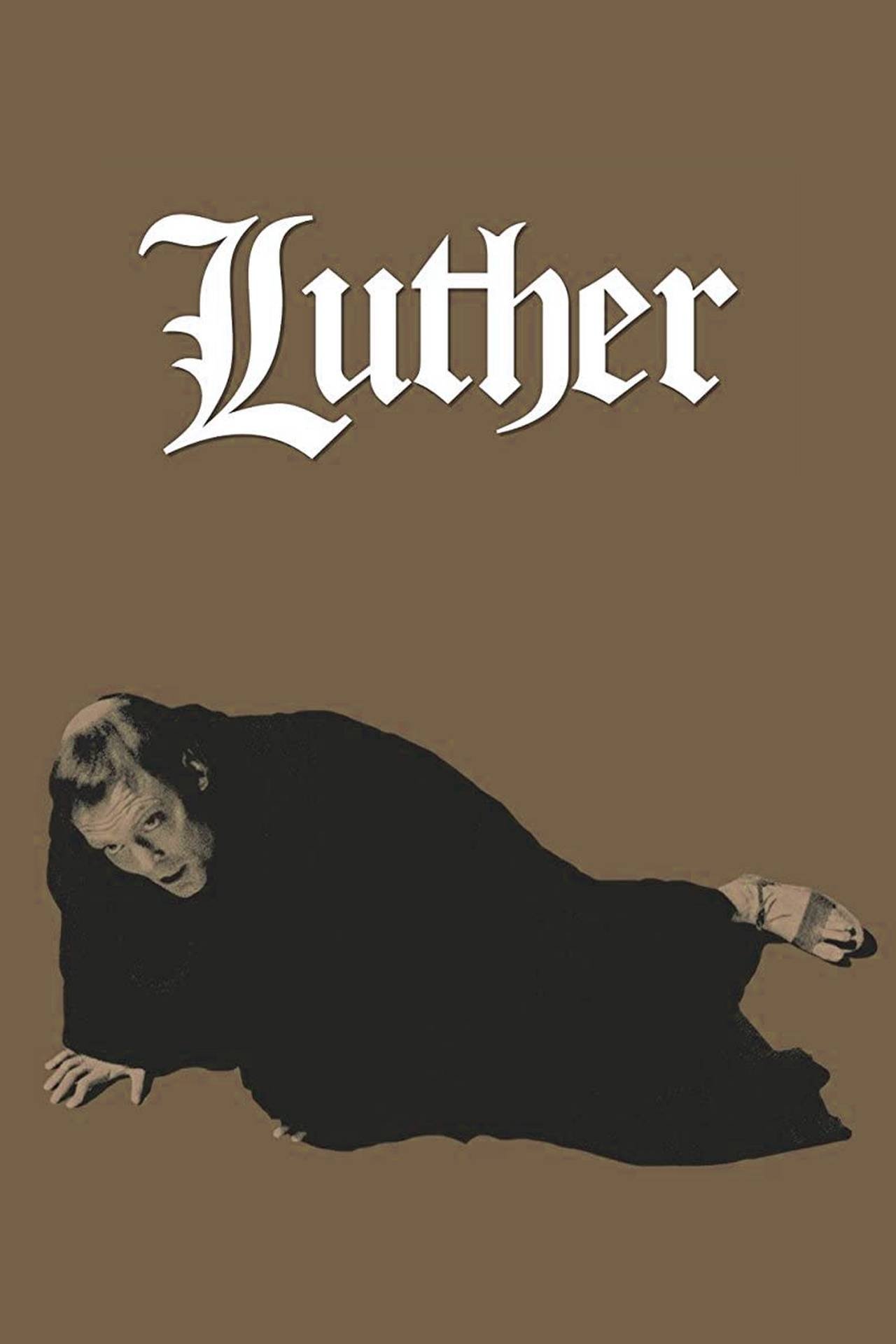
Luther (1974) character relationship network mapped with AI analysis. Explore the connections, alliances, and conflicts between characters.
Characters
Martin Luther
(played by Stacy Keach) — protagonist
Central protagonist and Augustinian monk who initially struggles with intense religious doubt and fear of sin. He discovers justification by faith, posts the Ninety-five Theses, defies papal and imper...
Tetzel
(played by Hugh Griffith) — protagonist
A friar who aggressively preaches the sale of indulgences, claiming they grant forgiveness for even the gravest sins. He publicly confronts Luther at Augsburg in 1518 and serves as a primary antagonis...
Luther's Father
(played by Patrick Magee) — supporting
Luther's biological father who disapproves of his son's monastic vocation. He attends Luther's first Mass to reprimand him for abandoning his legal career and leaving home, viewing it as a form of sel...
Cardinal Cajetan de Vio
(played by Alan Badel) — minor
Canonical Relationships
Family, romantic, and professional connections based on plot evidence.
Luther's Father → Martin Luther
(father)
Tetzel → Cardinal Cajetan de Vio
(Professional Collaborators) — They represent coordinated institutional opposition to the monk's challenge to indulgence preaching.
At Augsburg in 1518, the monk is confronted by both Tetzel and Cardinal Cajetan de Vio over his errors and sermons.
Story Analysis
A monk's struggle with guilt, authority, faith, and political consequence develops into a public religious challenge and a fragile hope.
Plot Progression
The Monastery of Fear
— The film introduces a monk overwhelmed by sin, darkness, bodily discipline, and fear before his first Mass. Brother Weinand offers a message of forgiveness.
Indulgence and Defiance
— Indulgence preaching exposes the conflict between institutional authority and personal conscience. The discovery of justification by faith leads to the posting of the theses.
The Church on Trial
— Tetzel and Cardinal Cajetan de Vio confront the reformer at Augsburg, but he refuses to retract. Burning the papal bull deepens both the public dispute and his private crisis.
Worms and the Broken Revolt
— At Worms, Johann von Eck warns that religious defiance may provoke popular revolt. The refusal to recant is followed by condemnation of the peasant rebellion and its bloody aftermath.
Hope in the Darkness
— The reformer confronts guilt over the slaughter and admits uncertainty in prayer. A child in the pulpit allows the film to close with qualified hope in Christ's promise.