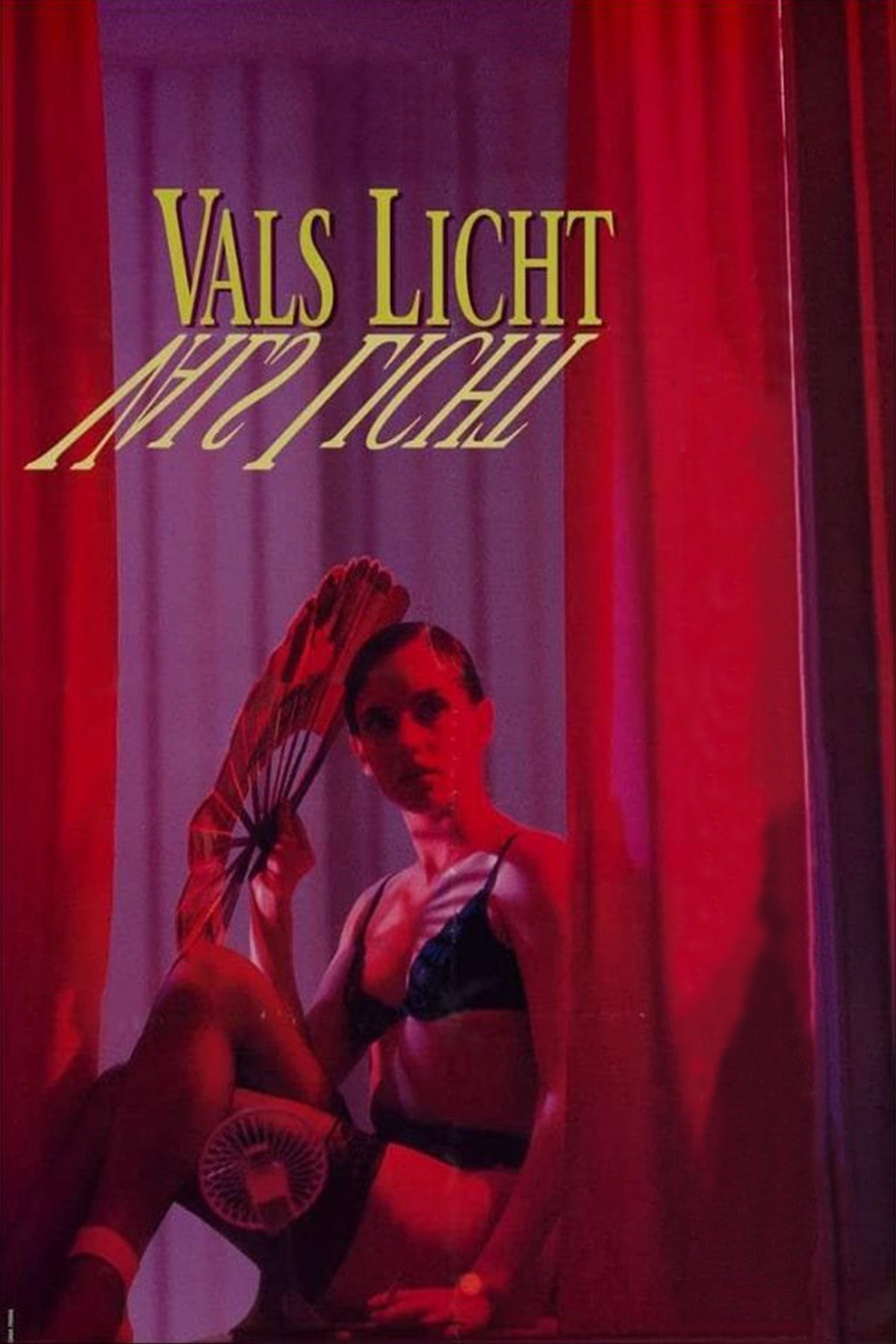
Plot Analysis Summary
The film intertwines literary adaptation, directorial execution, and real-life personal conflicts into a meta-narrative.
Story Structure — 4 Plot Phases
Literary Origins & Production
The film is introduced as a 1993 Dutch adaptation of Joost Zwagerman's novel, which gained literary recognition through the AKO Literature Prize shortlist. Theo van Gogh takes on the directorial role, establishing the creative foundation.
Key Events
-
Film Introduction — 1993 Dutch feature film directed by Theo van Gogh.
Location: Netherlands
-
Novel Adaptation — Adapted from Joost Zwagerman's novel.
Location: Literary World
-
Award Recognition — Novel reaches shortlist for 1993 AKO Literature Prize.
Location: AKO Prize Committee
-
Directorial Vision — Van Gogh directs the adaptation.
Location: Film Set
-
Lead Casting — Ellik Bargai cast as lead actor.
Location: Casting Room
-
Production Context — Dutch film production underway.
Location: Studio
-
Cultural Placement — Film positioned in 1993 Dutch cinema.
Location: Netherlands
-
Source Material — Original novel establishes plot foundation.
Location: Library
Casting & Real-Life Parallels
Ellik Bargai is cast as the lead actor, coinciding with a real-life affair between him and Mrs. Van Gogh. This personal entanglement strains Theo van Gogh's marriage, blurring the lines between fiction and reality.
Key Events
-
Lead Casting — Ellik Bargai cast as lead actor.
Location: Casting Room
-
Real-Life Affair — Wife has affair with lead actor.
Location: Personal Life
-
Marital Strain — Marriage collapses due to affair.
Location: Home
-
Character Introduction — Lead actor introduced to production.
Location: Film Set
-
Emotional Fallout — Personal relationship deteriorates.
Location: Personal Space
-
Production Context — Dutch film production underway.
Location: Studio
Narrative Devices & Meta-Reference
A radio broadcast at a train station publicly calls for Mr. Bargai to contact Mrs. Van Gogh. This scene functions as a direct meta-reference to the director's personal life, embedding real-world conflict into the film.
Key Events
-
Radio Broadcast — Station broadcast asks Mr. Bargai to contact Mrs. Van Gogh.
Location: Train Station
-
Meta-Reference — Broadcast serves as real-life reference.
Location: Film Narrative
-
Director's Regret — Van Gogh considers film a failure.
Location: Production Office
-
Dialogue Delivery — Broadcast message delivered publicly.
Location: Station
-
Emotional Fallout — Personal relationship deteriorates.
Location: Personal Space
-
Narrative Blurring — Fiction and reality intersect.
Location: Screen
Reception & Legacy
Theo van Gogh personally regards the film as a failure, reflecting on its critical reception. Meanwhile, the source novel retains its literary significance, cementing the project's cultural footprint.
Key Events
-
Director's Regret — Van Gogh considers film a failure.
Location: Production Office
-
Critical Reception — Film receives mixed critical assessment.
Location: Film Industry
-
Literary Legacy — Novel maintains literary significance.
Location: Publishing World
-
Final Assessment — Film's historical status evaluated.
Location: Archive