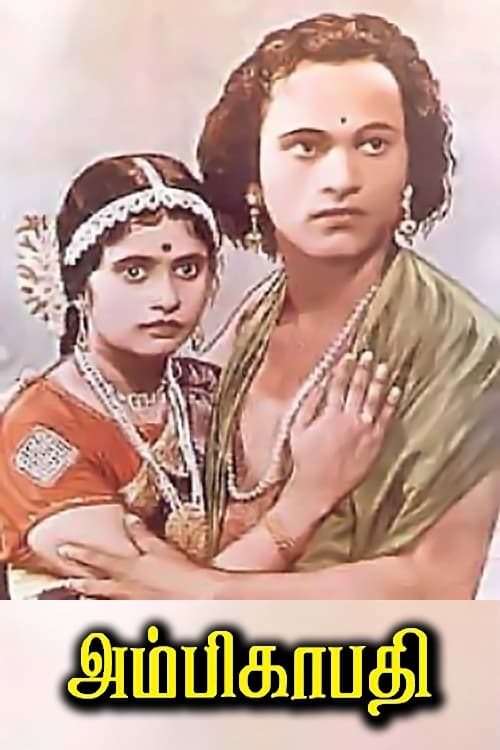
Story Structure — 4 Plot Phases
The Royal Decree
The Chola king objects to the romance between Ambikapathy and Princess Amaravati. He mandates a strict literary test to judge the poet's worth before allowing any union. The court atmosphere is tense as the rules are established.
Key Events
-
Chola Court Setting — Sets Chola court scene. Characters: Ambikapathy
Location: Royal Court
-
Royal Prohibition — King bans romance. Characters: Ambikapathy
Location: Royal Court
-
Literary Test Decree — King orders literary test. Characters: Ambikapathy
Location: Royal Court
-
Puram Poem Mandate — Mandates 100 Puram poems. Characters: Ambikapathy
Location: Royal Court
The Poetic Trial
Ambikapathy begins his performance with a divine invocation, which is mistakenly counted as the first poem. He proceeds to sing ninety-nine Puram poems while the princess tracks the count in the royal court.
Key Events
-
Puram Poem Mandate — Mandates 100 Puram poems. Characters: Ambikapathy
Location: Royal Court
-
Divine Invocation — Begins with divine invocation. Characters: Ambikapathy
Location: Royal Court
-
Counting Error — Countess miscounts invocation. Characters: Ambikapathy
Location: Royal Court
-
Puram Performance — Sings ninety-nine war poems. Characters: Ambikapathy
Location: Royal Court
-
Royal Signal — Signals hundred poems done. Characters: Ambikapathy
Location: Royal Court
The Fatal Confession
Believing the task is complete, the princess signals victory. Ambikapathy declares his triumph but breaks the rule by singing a song of love for Amaravati. The king immediately recognizes the violation and declares the test failed.
Key Events
-
Royal Signal — Signals hundred poems done. Characters: Ambikapathy
Location: Royal Court
-
Victory Declaration — Claims victory in court. Characters: Ambikapathy
Location: Royal Court
-
Love Confession — Sings forbidden love song. Characters: Ambikapathy
Location: Royal Court
-
Test Failure — King declares test failed. Characters: Ambikapathy
Location: Royal Court
-
Royal Judgment — Cites broken rule for punishment. Characters: Ambikapathy
Location: Royal Court
-
Literary Legacy — Contrasts poetic heritage. Characters: Ambikapathy
Location: Royal Court
The Tragic Execution
The king passes a death sentence for breaking the literary constraint. Ambikapathy accepts his fate as the execution is carried out. The court falls silent, leaving only the echo of his poetic legacy.
Key Events
-
Literary Legacy — Contrasts poetic heritage. Characters: Ambikapathy
Location: Royal Court
-
Sentencing — Passes death sentence. Characters: Ambikapathy
Location: Royal Court
-
Final Bow — Accepts tragic fate. Characters: Ambikapathy
Location: Royal Court
-
Execution Order — Guards prepare execution. Characters: Ambikapathy
Location: Royal Court
-
Tragic End — Poet is executed. Characters: Ambikapathy
Location: Royal Court
-
Princess Grief — Princess mourns loss. Characters: Ambikapathy
Location: Royal Court
-
Court Silence — Court falls silent. Characters: Ambikapathy
Location: Royal Court
-
Poetic Tragedy — Story ends tragically. Characters: Ambikapathy
Location: Royal Court
-
Historical Echo — Echoes through history. Characters: Ambikapathy
Location: Chola Empire
-
Legacy of Love — Love becomes legend. Characters: Ambikapathy
Location: Chola Empire
The film is based on a story set in the Chola Empire in year 1083 AD. The titular character in the story is Ambikapathy (M K. Thyagaraja Bhagavathar), the son of the Tamil poet Kambar (Serugulathur Sama) who is in love with the Chola princess and daughter of Kulothunga Chola, Amaravati (played by M. R. Santhanalakshmi). The king objects to their love and insists on testing Ambikapathy's literary mettle before judging his worth. The test given to Ambikapathi is that he should write and sing a hundred poems in the field of Puram (dealing with war and politics). The poems should not have any reference to the field of Aram (dealing of love and romance). Ambikapathi begins the test in the King's court with a Kadavul Vaazhthu (invocation to God). Amaravathi who is keeping the count, mistakes the invocation as a poem and counts it as poem number one.