Story Structure — 5 Plot Phases
A Narrator Takes the Stage
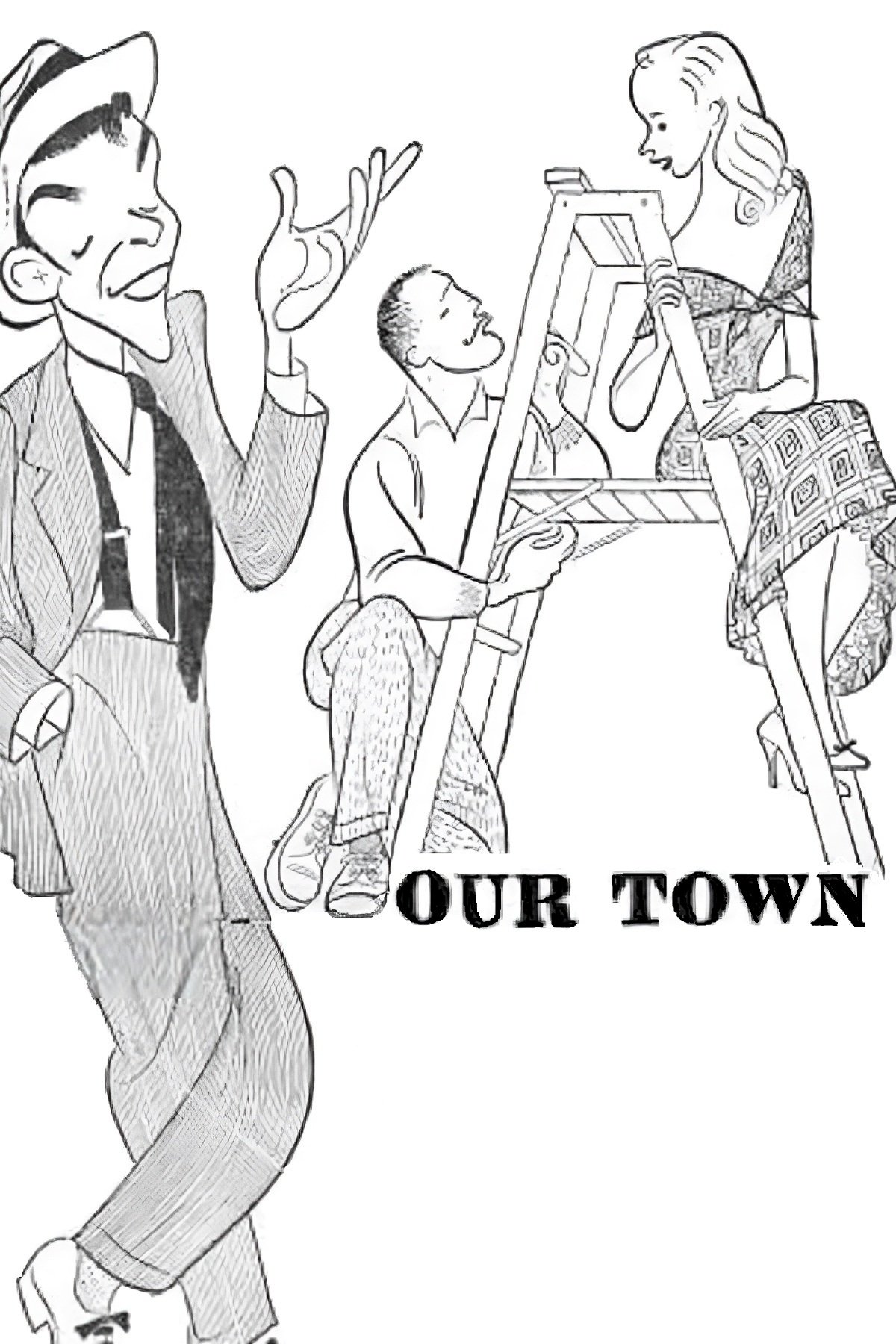
The television adaptation establishes the Stage Manager as narrator and musical guide. His songs frame the dramatic presentation and connect the scenes.
Key Events
-
Television Adaptation Begins — The 1955 television adaptation presents Thornton Wilder's story in musical form. Characters: Stage Manager
-
Stage Manager Introduced — The Stage Manager is established as the narrator and guide for the adaptation. Characters: Stage Manager
-
Narrative Framework Established — The Stage Manager frames the story and guides the audience between dramatic scenes. Characters: Stage Manager
-
Opening Musical Commentary — The Stage Manager sings as part of the program's musical storytelling structure. Characters: Stage Manager
-
Community Story Presented — The adaptation begins presenting the everyday world of the play's community. Characters: Stage Manager
-
Teenagers Meet — The teenage characters are introduced as part of the story's central emotional thread.
Young Love Emerges
The story introduces two teenagers whose relationship becomes its central emotional thread. Their love develops through dramatic scenes and musical presentation.
Key Events
-
Teenagers Meet — The teenage characters are introduced as part of the story's central emotional thread.
-
Romance Develops — The two teenagers fall in love, forming the adaptation's central romantic storyline.
-
Stage Manager Returns — The Stage Manager returns between scenes to maintain the narrative continuity. Characters: Stage Manager
-
Musical Interlude — A song by Jimmy Van Heusen and Sammy Cahn expands the dramatic presentation. Characters: Stage Manager
-
Romantic Duet — The two teenage characters perform a duet within the musical adaptation.
-
Love Becomes Central — The teenagers' love becomes the primary emotional focus of the presented story.
Courtship Through Song
The Stage Manager continues guiding the audience between scenes while the teenage romance advances. A duet reinforces the relationship's musical and emotional importance.
Key Events
-
Love Becomes Central — The teenagers' love becomes the primary emotional focus of the presented story.
-
Narrated Scene Transition — The Stage Manager sings and speaks between scenes to connect the narrative movement. Characters: Stage Manager
-
Courtship Continues — The adaptation continues the teenagers' romantic development toward marriage.
-
Stage Manager Commentary — The Stage Manager provides another musical and narrative bridge between scenes. Characters: Stage Manager
-
Marriage Approaches — The romantic storyline moves from teenage love toward marriage.
-
Marriage Presented — The two teenagers get married within the adaptation's dramatic progression.
Love Reaches Marriage
The central romance progresses to marriage, completing the major relationship arc identified in the adaptation. The Stage Manager's framing preserves the continuity of the story.
Key Events
-
Marriage Presented — The two teenagers get married within the adaptation's dramatic progression.
-
Postmarriage Reflection — The Stage Manager's framing role places the marriage within the larger story. Characters: Stage Manager
-
Final Musical Passage — The Stage Manager delivers another song as the adaptation moves toward closure. Characters: Stage Manager
The Frame Closes
The Stage Manager delivers the final narrative and musical passages. The 90-minute television presentation concludes through his guiding presence.
Key Events
-
Narrative Closure — The Stage Manager completes the musical and narrative framing of the story. Characters: Stage Manager
-
Broadcast Concludes — The 90-minute Producers' Showcase presentation reaches its conclusion. Characters: Stage Manager