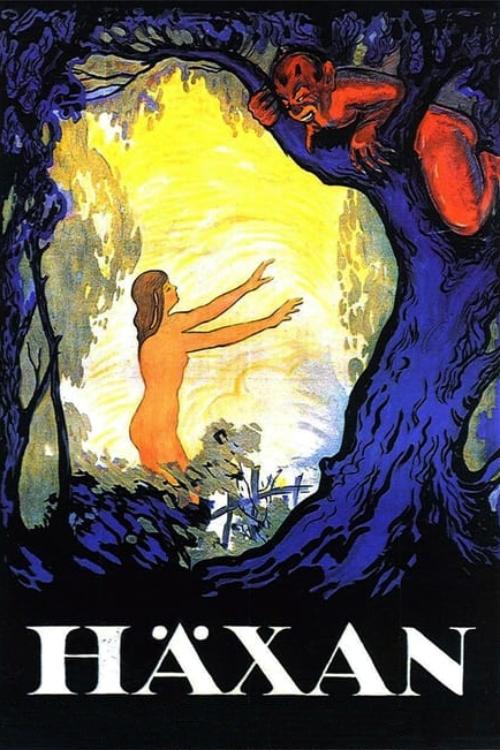
A silent documentary-drama exploring the historical, psychological, and cultural roots of witchcraft and mass hysteria.
Story Structure — 4 Plot Phases
Medieval Witchcraft Origins
The film opens with an essay-style narration charting the historical roots of witchcraft. Dramatized sequences depict medieval trials and the cultural superstitions that fueled early accusations.
Key Events
Documentary Opening — Essay-style narration introduces the historical roots of witchcraft.
Location: Film Frame
Medieval Witch Hunts — Dramatized sequences depict historical witch trials and public fear.
Location: Medieval Europe
Inquisitor Guide Study — Analysis of the historical guide used by inquisitors to identify witches.
Location: 15th Century Archive
Historical Roots Chart — Opens by charting the historical roots of witchcraft across centuries.
Location: Film Frame
Superstition Analysis — Examines the cultural superstitions surrounding witchcraft practices.
Location: Essay Narration
Inquisition & Mass Hysteria
The narrative shifts to brutal interrogations and the use of the Malleus Maleficarum. Communities succumb to collective panic as forced confessions spread fear across villages.
Key Events
Torture Chamber Scenes — Brutal interrogations force supernatural confessions from the accused.
Location: Dungeon
Forced Confessions — Accused individuals confess to witchcraft under extreme physical duress.
Location: Interrogation Room
Mass Hysteria Spread — Communities succumb to collective panic and widespread accusations.
Location: Village Square
Neurological Theory & Modern Reflection
The documentary proposes that witchcraft beliefs stem from mental and neurological disorders. Visual sequences illustrate delusions while tracing lingering superstitions into the 20th century.
Key Events
Mass Hysteria Spread — Communities succumb to collective panic and widespread accusations.
Location: Village Square
Mental Illness Hypothesis — Film proposes that witchcraft beliefs stem from mental or neurological disorders.
Location: Medical Study
Neurological Symptoms — Visual representation of delusions, paranoia, and psychological distress.
Location: Patient's Mind
Neurological Theory Proof — Demonstrates how neurological disorders trigger mass hysteria events.
Location: Clinical Study
Cinematic Production & Legacy
The film details its costly Scandinavian production and Danish filming process. Critical reception highlights its visual mastery, restorations, and enduring status as a masterpiece.
Key Events
Modern Superstition Trace — Traces lingering witchcraft beliefs and superstitions into the modern era.
Location: 20th Century Society
Scientific Rationalism — Emphasizes rational and medical explanations over supernatural fears.
Location: Lecture Hall
Scandinavian Production — Notes the costly Scandinavian silent film production process.
Location: Danish Studio
Budget Milestone — Film costs nearly two million Swedish kronor during filming.
Location: Production Office
1968 US Re-release — Metro Pictures re-edits and re-releases the film under a new title.
Location: US Cinema
Burroughs Narration — William S. Burroughs provides English voiceover for the re-release.
Location: Voiceover Track
Swedish Restorations — Three major restorations carried out in 1976, 2007, and 2016.
Location: Swedish Film Institute
Visual Imagery Praise — Acclaimed for its seamless combination of documentary and narrative styles.
Location: Critical Review
Masterpiece Recognition — Recognized as Christensen's visual masterpiece and enduring classic.
Location: Film History
Story Breakdown
Historical Witchcraft Context — Explores the medieval origins and cultural beliefs surrounding witchcraft accusations.
Medieval Trials — Dramatized sequences of historical witch hunts and public executions.
Superstition Origins — Examines how cultural fears and folklore fueled early accusations.
Inquisitorial Methods — Details the systematic tools and psychological tactics used by inquisitors.
Malleus Maleficarum Study — Analysis of the 15th-century guide used to identify and prosecute witches.
Torture & Confessions — Brutal interrogations that forced supernatural admissions from the accused.
Psychological Analysis — Proposes medical and neurological explanations for historical witchcraft beliefs.
Neurological Disorders — Demonstrates how mental illnesses were misinterpreted as demonic possession.
Mass Hysteria Theory — Shows how collective panic and suggestion spread accusations across communities.
Cinematic Production — Highlights the ambitious filmmaking process and historical recreation efforts.
Scandinavian Budget — Notes the costly production that nearly reached two million Swedish kronor.
Danish Filming — Details the meticulous recreation of medieval scenes shot in Denmark.
Modern Re-release — Tracks the film's distribution history and international adaptations.
1968 US Edition — Metro Pictures re-edited and re-released the film under a new title.
Burroughs Narration — William S. Burroughs provided English voiceover for the American version.
Critical Reception — Documents the film's enduring legacy and scholarly appreciation.
Visual Imagery Praise — Acclaimed for its seamless blend of documentary style and narrative drama.
Masterpiece Status — Recognized as Christensen's greatest achievement and a silent film classic.
Grave robbing, torture, possessed nuns, and a satanic Sabbath: Benjamin Christensen's legendary film uses a series of dramatic vignettes to explore the scientific hypothesis that the witches of the Middle Ages suffered the same hysteria as turn-of-the-century psychiatric patients. But the film itself is far from serious-- instead it's a witches' brew of the scary, gross, and darkly humorous.