Plot Analysis Summary
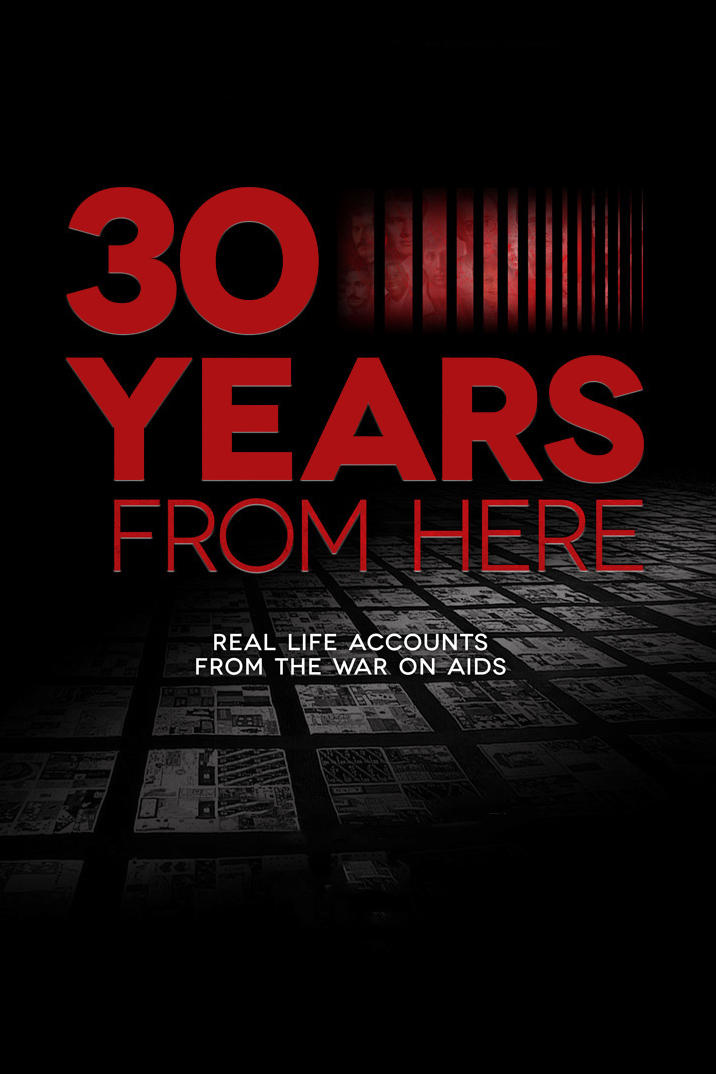
A documentary tracing the AIDS pandemic's impact through personal stories, activism, and medical progress over three decades.
Story Structure — 4 Plot Phases
Origins of the Crisis
The documentary establishes the historical context of the AIDS pandemic, introducing personal accounts from the earliest days. Communities begin to experience the devastating impact as lives are lost and stigma spreads.
Key Events
-
Documentary Opening Context — Introduction to the 30-year AIDS pandemic timeline. Location: Narrative Frame
-
Early Crisis Accounts — Firsthand stories from the initial outbreak years. Location: Community Spaces
-
Sorrow Over Lost Lives — Communities mourn the heavy toll of the pandemic. Location: Memorial Sites
-
Historical Timeline Setup — Establishes the 30-year scope of the pandemic. Location: Archival Footage
-
First Patient Interviews — Early voices share personal struggles and fears. Location: Private Homes
-
Community Grief Rituals — Collective mourning processes loss and trauma. Location: Churches & Memorials
Voices from the Frontlines
Activists and ground-level workers mobilize to address the growing crisis, sharing raw testimonies of grief and resilience. Medical experts begin systematic research while patients navigate daily treatment challenges.
Key Events
-
Activist Mobilization — Advocates organize to demand attention and resources. Location: Public Squares
-
Medical Research Begins — Scientists initiate systematic study of the virus. Location: Laboratories
-
Ground-Level Challenges — Daily struggles of patients and caregivers are documented. Location: Health Clinics
-
Advocacy Strategy Meetings — Organizers plan coordinated public campaigns. Location: Community Offices
-
Virus Pathology Studies — Detailed scientific analysis of disease mechanisms. Location: Microscopy Labs
Science Meets Advocacy
Collaboration between researchers and activists accelerates, leading to breakthrough treatments and policy reforms. The narrative shifts toward tangible progress as clinical trials yield promising results.
Key Events
-
Expert-Activist Collaboration — Scientists and advocates align strategies for impact. Location: Conference Halls
-
Treatment Breakthroughs — Major medical advances improve survival rates. Location: Research Facilities
-
Caregiver Testimonies — Support networks share emotional and physical burdens. Location: Hospital Wards
-
Joint Research Initiatives — Funding and data sharing accelerate scientific progress. Location: University Campuses
-
Drug Approval Milestones — Key treatments receive official clearance for use. Location: Regulatory Agencies
From Tragedy to Triumph
Three decades of effort culminate in widespread hope, driven by medical advances and sustained community solidarity. The documentary closes with reflections on survival, ongoing challenges, and a forward-looking vision.
Key Events
-
Policy Advocacy Wins — Successful campaigns secure funding and rights. Location: Government Buildings
-
Shifting to Hope — Narrative transitions from grief to optimism. Location: Community Centers
-
Long-Term Impact Review — Comprehensive assessment of three decades of progress. Location: Academic Institutions
-
Closing Tribute — Final reflections honor resilience and future hope. Location: Documentary Finale
-
Public Awareness Shift — Societal perception evolves from stigma to support. Location: Media Platforms
-
Future Research Visions — Long-term goals for eradication and prevention are outlined. Location: Global Summits
The Emmy Award-nominated 30 Years from Here examines the AIDS pandemic over the past 30 years. Activists and medical experts that share stories include Terrence McNally, Larry Kramer, Marjorie Hill, Frank Spinelli, Jerry Mitchell, and Larry Flick.