Story Structure — 4 Plot Phases
Folk Roots & Industry Crisis
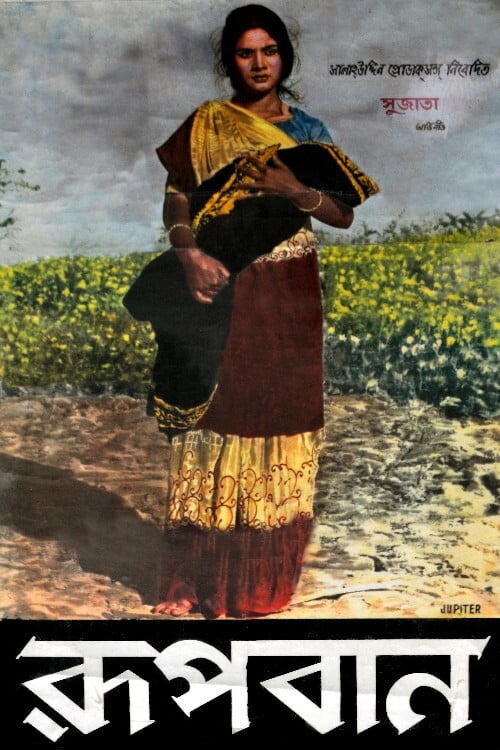
The Rupban story dominates open-air Jatras while Bengali films struggle against big-budget Urdu and Hindi productions. The market faces a severe decline in audience engagement.
Key Events
-
Jatra Stage Popularity — The Rupban folk story dominates local Jatras in the early 1960s Characters: Rupban
Location: Open-air Stage
-
Bengali Film Industry Crisis — Bengali movies struggle in box office against big-budget Urdu and Hindi films
Location: Film Market
-
Director's Jatra Observation — Director Salahuddin attends performances to study audience appeal
Location: Jatra Venue
Strategic Adaptation & Production
Director Salahuddin studies Jatra performances to identify key appeal factors. A cinematic blueprint is crafted and executed to translate folk elements into a compelling film.
Key Events
-
Director's Jatra Observation — Director Salahuddin attends performances to study audience appeal
Location: Jatra Venue
-
Folk Element Analysis — Key reasons for the story's massive popularity are identified
Location: Production Office
-
Adaptation Strategy — A cinematic blueprint is crafted to replicate Jatra success
Location: Director's Desk
-
Film Production — The movie is shot with deliberate folk-inspired direction Characters: Rupban
Location: Studio
-
Protagonist Portrayal — Sujata embodies the titular character with cultural authenticity Characters: Rupban
Location: Set
-
Final Cut Completion — The director's vision is finalized for theatrical release
Location: Editing Room
Release & Record-Breaking Success
Initial screenings trigger overwhelming audience enthusiasm. Demand surges rapidly, forcing the distribution network to expand and manufacture seventeen prints instead of the standard four to five.
Key Events
-
Final Cut Completion — The director's vision is finalized for theatrical release
Location: Editing Room
-
Initial Distribution — Standard prints are prepared for early screenings
Location: Cinemas
-
Audience Reception — Viewers respond enthusiastically to the folk adaptation Characters: Rupban
Location: Theaters
-
Print Demand Surge — Box office numbers exceed standard industry expectations
Location: Distribution Hub
-
Extended Release — Distribution network expands to accommodate high demand
Location: Regional Cinemas
-
Record Print Run — Seventeen copies are manufactured, far surpassing the usual four to five
Location: Printing Facility
Industry Revolution & Legacy
The film's unprecedented commercial triumph permanently alters the East Pakistan film market. It sparks a successful wave of folk-based productions and cements a lasting cultural legacy.
Key Events
-
Record Print Run — Seventeen copies are manufactured, far surpassing the usual four to five
Location: Printing Facility
-
Commercial Triumph — The film achieves unprecedented financial success Characters: Rupban
Location: Market
-
Industry Transformation — The traditional film market trajectory is permanently altered
Location: East Pakistan
-
Folk Cinema Revival — A new wave of folk-based productions gains momentum
Location: Bengali Film Sector
-
Cultural Resonance — The story bridges traditional theater and modern cinema Characters: Rupban
Location: Public Sphere
-
Legacy Consolidation — The movie secures its place as a pivotal industry milestone
Location: Film Archives
-
Historical Context — The era's cultural and economic landscape is documented
Location: 1960s East Pakistan
-
Enduring Impact — The film's success establishes a lasting blueprint for regional storytelling Characters: Rupban
Location: Cinematic History