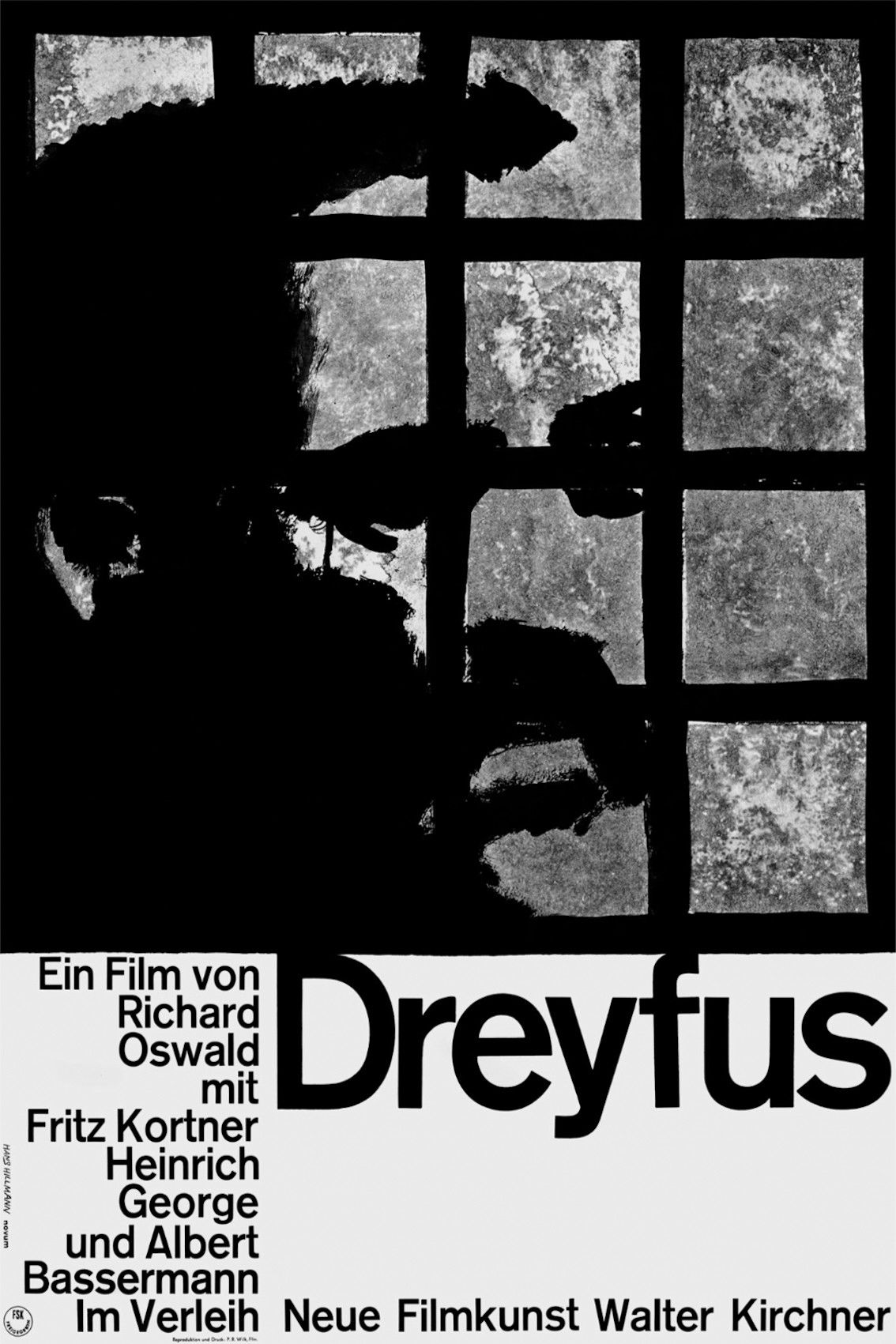
Dreyfus (1930) character relationship network mapped with AI analysis. Explore the connections, alliances, and conflicts between characters.
Characters
Hauptmann Alfred Dreyfus
(played by Fritz Kortner) — protagonist
An army officer accused of treason in 1894, Dreyfus is convicted on contested evidence, stripped of his rank, and sentenced to lifelong deportation on Devil’s Island. He repeatedly proclaims his innoc...
Lucie Dreyfus, seine Frau
(played by Grete Mosheim) — supporting
Lucie is Dreyfus’s wife. After he is convicted and deported to Devil’s Island, she is able to visit him only briefly. Her connection to the central story is through her husband’s imprisonment and the...
Émile Zola
(played by Heinrich George) — supporting
Émile Zola is a prominent writer who becomes an advocate for Dreyfus after Dreyfus’s brother seeks his help. He urges a public accusation against Esterházy and continues campaigning with his associate...
Major du Paty de Clam
(played by Fritz Rasp) — supporting
Oberst Picquart
(played by Albert Bassermann) — supporting
Oberst Picquart is a military officer who pursues the Dreyfus affair because he believes truth and justice matter, despite the risk to his career. He testifies about his motives during Esterházy’s cou...
Major Ferdinand Walsin-Esterházy
(played by Oskar Homolka) — supporting
Major Ferdinand Walsin-Esterházy becomes the alternative suspect as evidence points away from Dreyfus. A banker identifies his handwriting on the memorandum used against Dreyfus. Esterházy brings a de...
Canonical Relationships
Family, romantic, and professional connections based on plot evidence.
Hauptmann Alfred Dreyfus → Lucie Dreyfus, seine Frau
(Family Husband And Wife) — Lucie remains connected to Alfred during his imprisonment, although their contact is severely restricted.
The plot identifies Lucie Dreyfus as Alfred Dreyfus's wife and states that she visits him briefly on Devil's Island.
Story Dynamics
Alliances, conflicts, and narrative interactions that evolve throughout the story.
Oberst Picquart → Major Ferdinand Walsin-Esterházy
(Conflict Investigator And Suspect) — Picquart's investigation places Esterházy at the center of the alternative explanation for the memorandum.
Evidence later points toward Esterházy, and Picquart testifies that he pursued the matter because he believed truth and justice mattered.
Émile Zola → Major Ferdinand Walsin-Esterházy
(Conflict Accuser And Defendant) — Their confrontation turns the disputed evidence into a public and legal conflict.
Zola urges a public accusation, and Esterházy brings a defamation charge before facing a court-martial where he denies the allegations.
Émile Zola → Oberst Picquart
(Alliance Public Advocate And Investigative Ally) — Zola's public intervention amplifies the significance of Picquart's investigation and testimony.
Zola continues a public campaign while Picquart testifies that he pursued the matter because truth and justice mattered.
Lucie Dreyfus, seine Frau → Oberst Picquart
(Alliance Prisoner’s Family And Investigative Supporter) — Their connection is mediated by the effort to challenge Alfred's conviction rather than by a documented private exchange.
Lucie is identified as Dreyfus's wife, while Picquart investigates evidence that points away from Dreyfus and supports the pursuit of truth.
Lucie Dreyfus, seine Frau → Émile Zola
(Alliance Family Advocate And Public Campaigner) — Lucie's family cause becomes part of Zola's public fight against the conviction.
Dreyfus's family gathers information and seeks Zola's help; Zola then urges a public accusation and continues the campaign.
Hauptmann Alfred Dreyfus → Major du Paty de Clam
(Conflict Accused Officer And Military Authority) — Their relationship is defined by Dreyfus's prosecution within the military system represented by the authorities around the case.
The plot places Dreyfus's accusation and military trial within the authorities' handling of the case, while Major du Paty de Clam is listed among the...
Hauptmann Alfred Dreyfus → Major Ferdinand Walsin-Esterházy
(Conflict Wrongfully Accused Officer And Actual Suspect) — Esterházy becomes the alternative suspect whose apparent connection to the memorandum exposes the weakness of Dreyfus's conviction.
Later evidence points away from Dreyfus and toward Major Ferdinand Walsin-Esterházy, whose handwriting is identified on the memorandum used against Dr...
Hauptmann Alfred Dreyfus → Oberst Picquart
(Alliance Unjustly Accused Officer And Truth-Seeking Investigator) — Picquart's investigation helps undermine the case against Dreyfus, despite the personal and professional risks he faces.
Oberst Picquart pursues evidence concerning the case because he believes truth and justice matter, while the evidence increasingly points away from Dr...
Hauptmann Alfred Dreyfus → Émile Zola
(Alliance Defender And Advocate) — Zola becomes one of the most prominent public advocates for correcting the injustice done to Dreyfus.
Dreyfus's family seeks help from Émile Zola, who urges a public accusation and continues campaigning against the conviction.
Story Analysis
A wrongful conviction becomes a prolonged struggle in which investigation, public advocacy, and the exposure of forged evidence lead toward justice.
Plot Progression
The Secret Conviction
— Dreyfus is accused of treason and judged through contested evidence. A secret document reaches the judges, producing a guilty verdict, public degradation, and deportation.
A Family Searches for Truth
— Lucie and Dreyfus's family continue gathering information after his imprisonment. Their effort brings the case to Émile Zola and begins a stronger public challenge.
The Public Counterattack
— Evidence connects Esterházy's handwriting to the memorandum used against Dreyfus. Zola's accusation leads to a defamation case and a court-martial.
Forgery and Restoration
— The campaign expands into a human rights movement while Picquart is arrested. A government inquiry exposes a forged letter, weakening the conviction and opening the way to rehabilitation.
Directed by Richard Oswald
Dreyfus (1930) · 5.6/10 · drama, history
Content sources
Related entry on
Wikidata
(Q1258855), public domain (CC0).
Plot breakdown and analysis on this page are AI-generated from the title's synopsis and metadata.