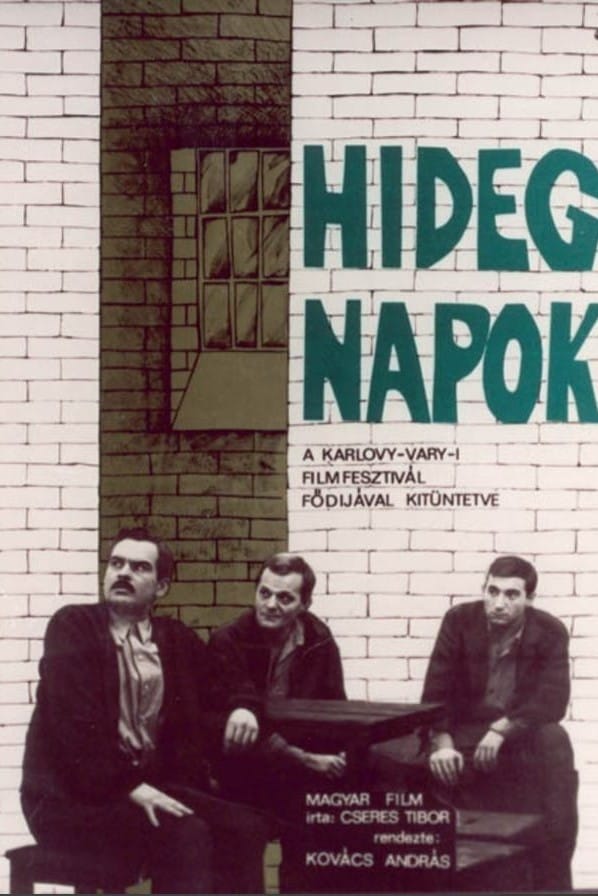
Plot Analysis Summary
Through defendants' recollections of the 1942 retaliation and its aftermath, the film examines violence, obedience, and unresolved responsibility.
Story Structure — 5 Plot Phases
The Raid and Its Recollections
Authorities launch a raid amid fears of a Serbian guerilla revolt, and the operation becomes violent retaliation. In custody, defendants revisit the events through memories and conversations.
Key Events
-
Raid Ordered in Bácska — Hungarian authorities launch a police raid amid fears of a Serbian guerilla revolt.
Location: Bácska county
-
Retaliation Begins — The operation becomes retaliation, with people killed without investigation or trial.
Location: Bácska county
-
Custody and Recollections — Four minor defendants recall the events through memories and conversations. Characters: Major Büky, Corporal Szabó, Corporal Dorner, Colonel Grassy
Location: Custody
-
Inexperienced Command — An officer recalls being placed in command despite lacking river-operation experience.
Location: River operations
Orders and Civilian Movement
The arrival of trains and the rising death toll intensify disputes about identity checks and authority. Büky's requests conflict with Grassy's orders, while civilians face restrictions and danger.
Key Events
-
Trains Bring More People — Trains bring more people into town as officers debate identity checks and mounting deaths.
Location: Town
-
Büky Seeks Authority — Büky asks to control identity checks and stop trains before they reach the station. Characters: Major Büky
Location: Town
-
Grassy Rejects the Request — Grassy insists the trains must arrive and leaves Büky to deal with the civilians. Characters: Major Büky, Colonel Grassy
Location: Town
-
Orders Shape Patrols — Grassy's commands shape patrols, curfew, and civilian movement. Characters: Colonel Grassy
Location: Town
-
Trains Cannot Be Stopped — One account recalls an officer unable to stop trains or prevent people being sent toward the river.
Location: Station and river route
Civilians Caught in Violence
A woman's attempt to return home ends in violence after guards misread her gesture. Milena reports a radio-listening ban, and Betti seeks an escort out of town as danger grows.
Key Events
-
A Woman Seeks Home — A woman asks to return home to care for her war-crippled husband.
Location: Town
-
Gesture Misread — Guards misread the woman's gesture, and she is caught up in the violence.
Location: Town
-
Milena Reports Ban — Milena brings news that listening to the radio is forbidden. Characters: Milena
Location: Town
-
Betti Seeks Escort — As danger grows, Betti seeks an escort out of town. Characters: Betti
Location: Town
Abuse and Complicity
Dorner leads a nighttime search in which soldiers threaten residents and steal supplies. An electrician accuses the soldiers of killing his family, and prisoners are escorted toward the river as defendants recall silence and inaction.
Key Events
-
Nighttime Alcohol Search — Dorner leads a nighttime search in which soldiers threaten residents and steal supplies. Characters: Corporal Dorner
Location: Residents' homes
-
Electrician Accuses Soldiers — An electrician appears and accuses the soldiers of killing his family.
Location: Schoolyard
-
Prisoners Taken Riverward — Soldiers escort the electrician and other prisoners toward the river.
Location: Route to the river
-
Defendant Admits Silence — One defendant admits that he stayed silent when questioned. Characters: Corporal Szabó
Location: Custody
Judgment and Responsibility
The defendants' accounts expose arguments over orders, authority, and responsibility without resolving the conflict. The military court rejects the justification for retaliation, and the principal defendants later receive death sentences in 1946.
Key Events
-
Responsibility Disputed — Officers invoke confusing orders, inadequate authority, and fear of punishment as explanations. Characters: Major Büky, Colonel Grassy
Location: Custody
-
Court Rejects Justification — The military court later rules that no military or political reason justified the retaliation.
Location: Military court
-
Trials and Death Sentences — After fleeing and returning following the German occupation, principal defendants are tried again and sentenced to death in 1946.
Location: Military court