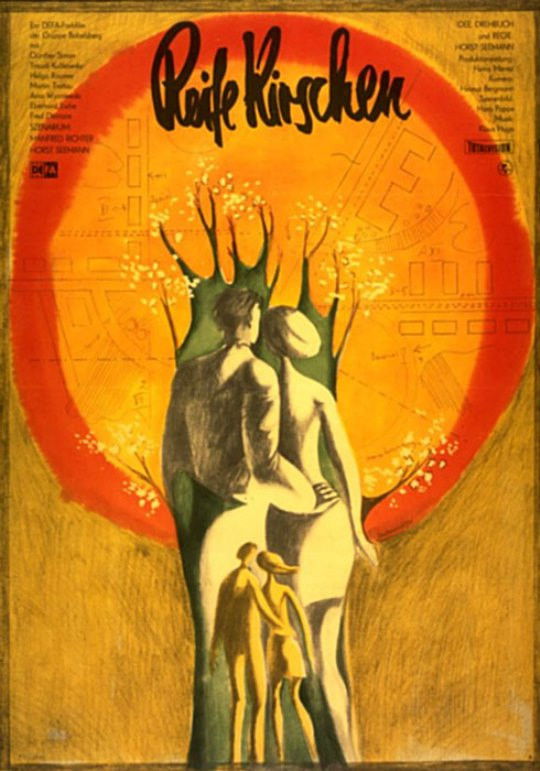
A dramatic exploration of family life and societal pressures in 1970s East Germany.
Story Structure — 3 Plot Phases
Establishing the Kamp Family
The narrative introduces the Kamp family unit within the socio-political landscape of 1970s East Germany.
Key Events
Film Introduction — Opening context establishing the film's setting and era. Characters: Helmut Kamp, Elfriede KampLocation: East Germany
Navigating Social Realities
Characters encounter interpersonal and systemic challenges that test their bonds and resilience.
Key Events
Festival Submission — Film enters the 8th Moscow International Film Festival. Characters: Helmut KampLocation: Moscow
Resolution and Reflection
The story concludes with the family navigating the aftermath of their struggles, emphasizing thematic resonance.
Key Events
Narrative Conclusion — Story resolves within the established dramatic framework. Characters: Elfriede Kamp, Ingrid KampLocation: East Germany
Story Breakdown
Family Dynamics — Core relationships within the Kamp household and their internal struggles.
Marital Bond — Helmut and Elfriede's partnership under strain.
Parental Roles — Guidance and expectations for Ingrid and Helga.
Societal Context — The backdrop of East German life influencing character decisions.
Workplace Environment — Professional pressures affecting daily life.
Cultural Shifts — Broader historical changes impacting the family.
Character Arcs — Individual journeys of growth and adaptation.
Helmut Journey — Navigating responsibility and change.
Elfriede Journey — Balancing personal desires with family duty.
Supporting Figures — External characters influencing the main narrative.
Medical Professionals — Dr Beissert and Dr Ika provide external perspectives.
Community Members — Figaro Scholz and Kurt interact with the family.
Thematic Elements — Recurring motifs and narrative themes.
Resilience — Endurance through personal and societal challenges.
Identity — Self-discovery within a constrained environment.
Narrative Resolution — How the story concludes and themes are resolved.
Family Unity — Reaffirmation of bonds despite hardships.
Open Ending — Ambiguous or reflective conclusion typical of the genre.
Helmut Kamp, the construction brigade leader, a man no longer young, life immediately confronted several difficult and woeful problems. The birth of a son, the tragic death of his wife, the relationship of his daughter Ingrid with Dr. Beißert coincided with the need to move to an uninhabited area where a nuclear power plant will be built. Kamp, Ingrid and the members of the friendly brigade decide to act as the duty and the feeling of partnership prompts them, and gradually they all become participants in the new construction...