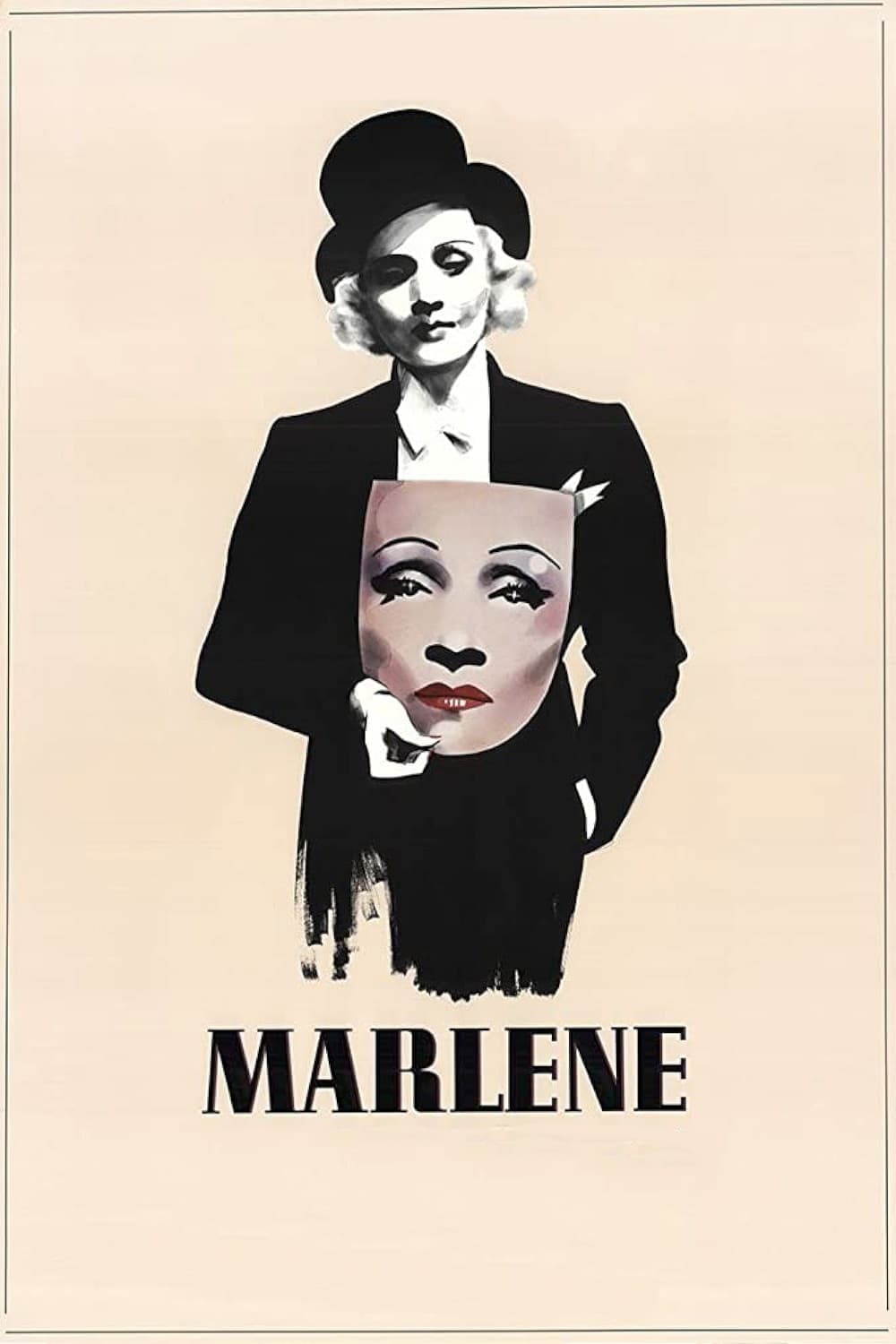
Story Structure — 4 Plot Phases
The Recluse's Motivation
Dietrich lives in Parisian seclusion until financial pressures prompt her to commission a television documentary. She initially approaches Orson Welles, but scheduling conflicts force a search for an alternative director.
Key Events
-
1961 Co-Starring — Dietrich and Schell previously acted together in a major 1961 production.
Location: Judgment at Nuremberg Set
-
Late 1970s Reclusion — Dietrich lives as a virtual recluse on Avenue Montaigne.
Location: Paris Apartment
-
Financial Motivation — Financial pressures inspire her to develop a television documentary.
Location: Paris Apartment
-
Welles Considered — Dietrich initially selects her friend Orson Welles as director.
Location: Paris Apartment
Director Selection & Shift
After evaluating Peter Bogdanovich, Dietrich selects Maximilian Schell for his bilingual abilities. Schell quickly pivots the project from a TV doc to a feature film, altering the creative trajectory.
Key Events
-
Welles Considered — Dietrich initially selects her friend Orson Welles as director.
Location: Paris Apartment
-
Welles Unavailable — Welles proves unavailable for the documentary project.
Location: N/A
-
Bogdanovich Considered — Dietrich evaluates Welles' friend and admirer Peter Bogdanovich.
Location: Paris Apartment
-
Schell Selected — Dietrich agrees to Schell's direction due to his bilingual fluency.
Location: Paris Apartment
-
Schell's Creative Shift — Schell transforms the planned TV doc into a feature film.
Location: Paris Apartment
-
Refusal to be Filmed — Dietrich enforces a strict policy against being photographed.
Location: Paris Apartment
-
Bilingual Collaboration — Schell's German and English fluency enables seamless interview exchanges.
Location: Paris Apartment
Interview Dynamics & Resistance
Dietrich enforces a no-photography rule and negotiates a 40-hour contract. She frequently deflects questions, critiques biographies, and resists Schell's attempts to criticize her acquaintances.
Key Events
-
Refusal to be Filmed — Dietrich enforces a strict policy against being photographed.
Location: Paris Apartment
-
40-Hour Contract — Dietrich reminds Schell of their 40-hour interview agreement.
Location: Paris Apartment
-
Audio Commentary Format — The film adopts voice interviews paired with career visuals.
Location: Paris Apartment
-
Ignoring Questions — Dietrich frequently sidesteps Schell's direct interview prompts.
Location: Paris Apartment
-
Acerbic Comments — Dietrich sharply critiques biographies written about her life.
Location: Paris Apartment
-
Resisting Criticism — Dietrich challenges Schell's desire to criticize her acquaintances.
Location: Paris Apartment
Philosophical Reflections & Resolution
Conversations deepen into existential themes of life, death, reality, and stardom. Archival visuals complement the audio, culminating in a completed documentary that preserves her authentic legacy.
Key Events
-
Resisting Criticism — Dietrich challenges Schell's desire to criticize her acquaintances.
Location: Paris Apartment
-
Life & Death Discussion — Conversations delve into existential themes of mortality.
Location: Paris Apartment
-
Reality & Illusion — Discussions explore the blurred boundaries between truth and performance.
Location: Paris Apartment
-
Nature of Stardom — Dietrich reflects on public perception and celebrity culture.
Location: Paris Apartment
-
Visual Archive Integration — Archival materials illustrate her career alongside the audio tracks.
Location: Paris Apartment
-
Creative Compromise — Audio commentary and archival footage solidify the final documentary format.
Location: Paris Apartment
-
Documentary Completion — The interview sessions successfully transform into a finished film.
Location: Paris Apartment
-
Legacy of Authenticity — The documentary stands as an unvarnished portrait of Dietrich's career.
Location: Paris Apartment