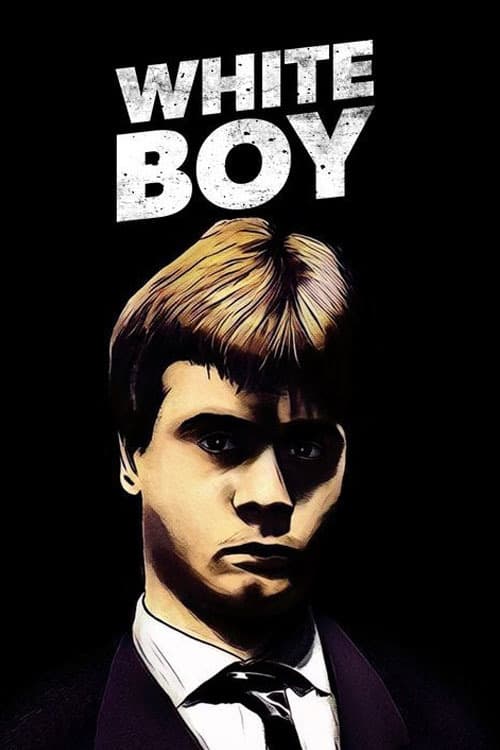
Plot Analysis Summary
An investigative documentary examining the legal, political, and personal factors behind Richard Wershe Jr.'s prolonged incarceration and parole denial.
Story Structure — 4 Plot Phases
The Young Informant
Fourteen-year-old Richard Wershe Jr. is recruited by the FBI and becomes a key drug dealer during Detroit's crack epidemic. His intelligence leads to high-profile arrests, including the mayor's brother and several police officers.
Key Events
-
Grooming as Informant — Fourteen-year-old Richard is recruited and groomed by the FBI.
Location: Detroit
-
Crack Epidemic Dealership — Richard establishes himself as a drug dealer during the epidemic.
Location: Detroit Streets
-
Intel Gathering Phase — Richard provides critical intelligence to federal agents.
Location: Detroit
-
Mayor's Brother Arrest — Intel leads to the high-profile arrest of the mayor's brother.
Location: Detroit
-
Police Officer Raids — Multiple police officers are arrested based on Richard's tips.
Location: Detroit
Severed Ties and Sentencing
The FBI discovers Richard's underage status and cuts ties, but he continues selling cocaine. He is arrested at seventeen and sentenced to life under the strict 650 Lifer Law.
Key Events
-
Police Officer Raids — Multiple police officers are arrested based on Richard's tips.
Location: Detroit
-
Age Discovery — Agents discover Richard is underage and find reports under his father's number.
Location: FBI Office
-
FBI Ties Severed — The FBI officially cuts ties with the underage informant.
Location: Detroit
-
Continued Cocaine Sales — Richard continues selling drugs independently after FBI abandonment.
Location: Detroit
-
Arrest at Seventeen — Richard is arrested a year later at age 17 with a large cocaine stash.
Location: Detroit
-
650 Lifer Law Applied — He is sentenced under the strict 650 Lifer Law for possessing over 650 grams.
Location: Courtroom
Decades Behind Bars
Richard serves over thirty years in prison, becoming one of the nation's longest-serving non-violent juvenile offenders. The legal landscape shifts in 1998 when the 650 Lifer Law is modified.
Key Events
-
650 Lifer Law Applied — He is sentenced under the strict 650 Lifer Law for possessing over 650 grams.
Location: Courtroom
-
Life Sentence Imposed — Richard receives a life sentence without parole as a juvenile.
Location: Courtroom
-
Three Decades Incarceration — He serves over 30 years, becoming one of the longest-serving non-violent juvenile offenders.
Location: Prison
-
1998 Law Modification — The 650 Lifer Law is modified to eliminate life without parole.
Location: Legislative Building
Documentary Investigation
A documentary explores the political and legal factors behind Richard's continued parole denial. Interviews with journalists, federal agents, hit men, and Detroit politicians reveal the systemic complexities.
Key Events
-
1998 Law Modification — The 650 Lifer Law is modified to eliminate life without parole.
Location: Legislative Building
-
Parole Hearing Request — Richard requests a parole hearing following the legal change.
Location: Prison
-
Parole Denied — Despite the law change, Richard is denied a parole hearing.
Location: Parole Hearing Room
-
Documentary Launch — A documentary is produced to investigate the parole denial.
Location: Detroit
-
Journalist Interviews — Revealing interviews are conducted with journalists, agents, and hit men.
Location: Interview Studios
-
Coleman Young Testimony — Mayor Coleman Young provides insights into the political landscape.
Location: Interview Studio
-
Gil Hill Testimony — City Council member Gil Hill shares perspectives on the case.
Location: Interview Studio
-
Urban Legend Emergence — Richard's case spawns the Detroit urban legend known as White Boy Rick.
Location: Detroit
-
Legacy of Injustice — The documentary concludes by highlighting the systemic failure in his parole process.
Location: Detroit
-
Historical Documentation — The film solidifies Richard's story as a documented historical case.
Location: Documentary Archive