A Brooklyn home becomes a chosen-family refuge, then a site of strain, loss, and enduring trans activism.
Rusty and Chelsea build a home that functions as a refuge for transgender women. Their Brooklyn house is presented as a place defined by care, access, and collective survival.
The home grows into a crossroads for organizers and residents. Sylvia Rivera enters the house, strengthening its role as both shelter and political gathering place.
The original vision becomes hard to sustain as referrals increase beyond what the couple can handle. The communal model begins to buckle under its own generosity.
The loss of Sylvia Rivera deepens the emotional weight of the house. Rusty, Chelsea, and Cellia turn to memory, mourning, and testimony.
The film closes by connecting the house's history to the broader struggle against discrimination and homelessness. The communal home remains a symbol of resilience and chosen family.
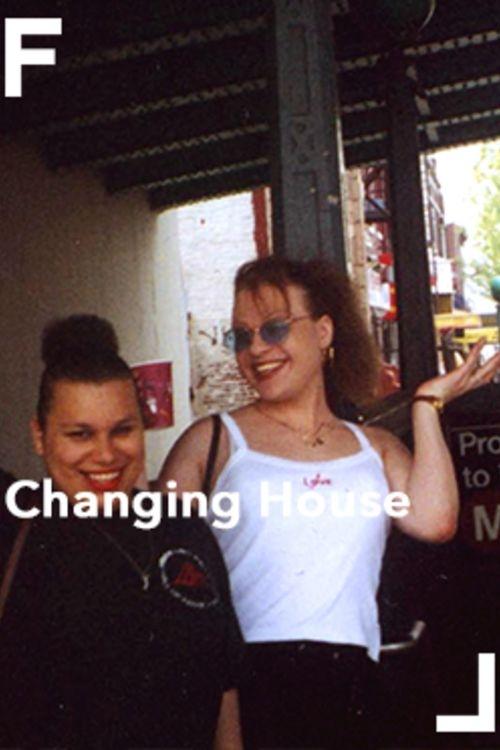
Rusty and Chelsea are a transgender lesbian couple who devoted fifteen years to making their Brooklyn home a communal living space for transgender women in need. Their house served a vital and unique community role with its doors always open to newcomers. A crossroads for transgender civil rights organizers, it became home to Stonewall legend Sylvia Rivera in the last years of her life. The couple's dream of a commune quickly met a complicated reality as it became unmanageable. Social workers referred more young transgender women to Rusty and Chelsea than they could accomodate, and eventually, the self-made family lost their "Ma" Sylvia. In this intimate film, Rusty, Chelsea, and long-time resident Cellia commemorate the house's rich activist history, reflect on the joys and challenges of communal living and discuss the continuing struggle of the transgender community with discrimination and homelessness.
Plot breakdown and analysis on this page are AI-generated from the title's synopsis and metadata.