Plot Analysis Summary
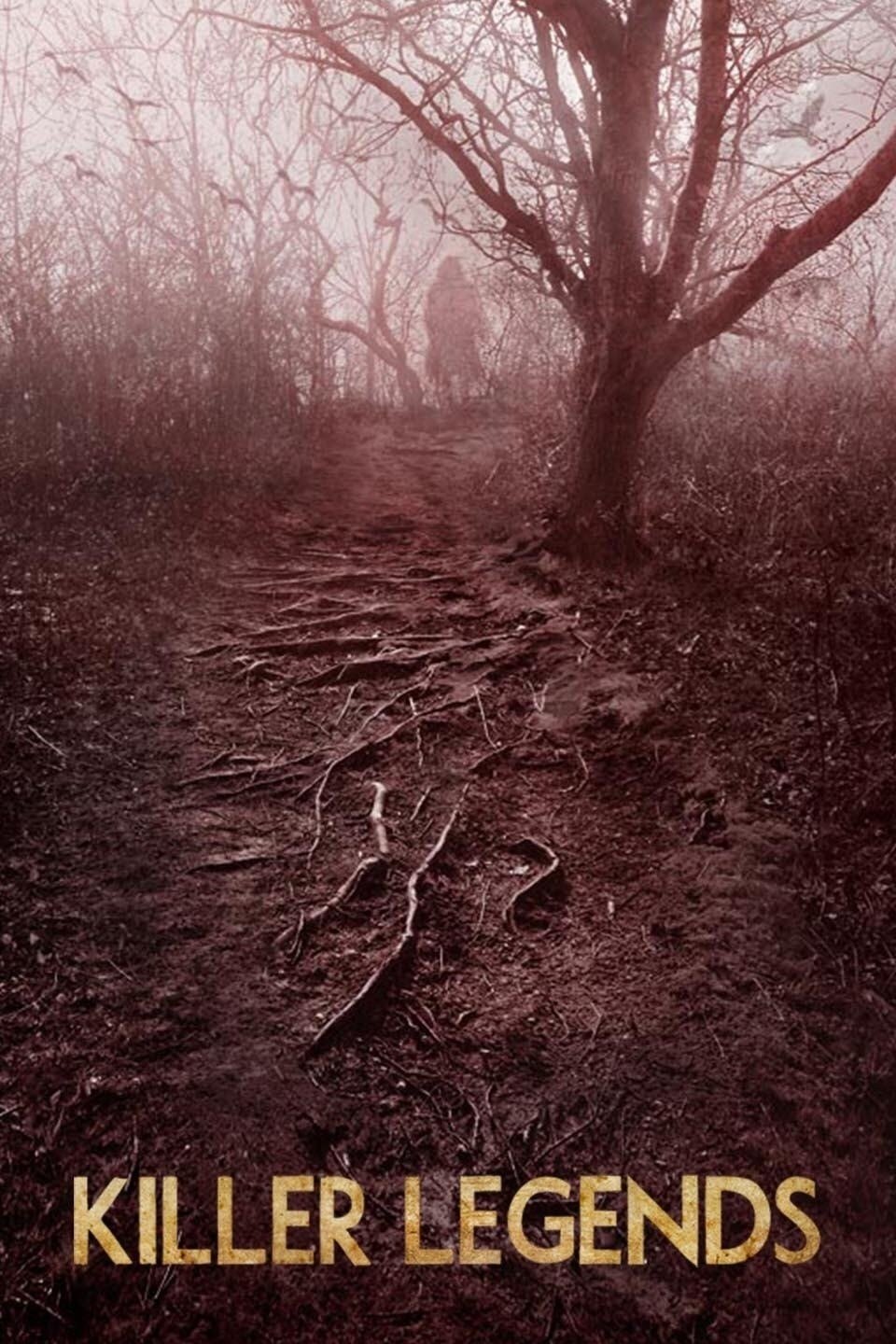
A documentary series where hosts trace urban legends to their historical origins, analyzing real crimes, media influence, and psychological fears.
Story Structure — 4 Plot Phases
Origins of Fear
The documentary opens with hosts introducing the premise of investigating urban legends. They begin with the Hookman myth, tracing it to the Texarkana Moonlight Murders and early slasher cinema.
Key Events
-
Documentary Introduction — Hosts introduce the documentary premise and outline the investigation of urban legends.
Location: Studio
-
Hookman Legend Overview — Hosts present the Hookman myth and its connection to lovers' lane encounters.
Location: Texas
-
Texarkana Murders Research — Investigation into the unsolved Texarkana Moonlight Murders that inspired early slasher films.
Location: Texarkana Archives
-
Film vs Reality Comparison — Hosts contrast the fictional hook-handed killer with the real-life serial predator.
Location: Research Room
-
Candyman Myth Introduction — Hosts examine the widespread fear of strangers handing out poisoned candy to children.
Location: Houston
-
O'Bryan Case Investigation — Deep dive into Ronald Clark O'Bryan's motive to poison his son for insurance money.
Location: Houston Court
Real Crimes Behind Myths
Investigation shifts to the Candyman poisoned candy legend and the Babysitter and the Man Upstairs case. Hosts analyze historical police records, court documents, and motive-driven crimes.
Key Events
-
O'Bryan Case Investigation — Deep dive into Ronald Clark O'Bryan's motive to poison his son for insurance money.
Location: Houston Court
-
Insurance Fraud Analysis — Hosts explain how O'Bryan used the urban legend to deflect suspicion from himself.
Location: Research Room
-
Failed Poisoning Attempts — Review of how other children survived after refusing to eat the poisoned candy.
Location: Historical Site
-
Babysitter Legend Introduction — Hosts introduce the Babysitter and the Man Upstairs myth and its real-life counterpart.
Location: Missouri
-
Christman Murder Case — Investigation into Janett Christman's murder while babysitting and the convicted suspect.
Location: Columbia Archives
-
Conviction Doubts Raised — Hosts question the guilt of the executed African-American man and highlight timeline inconsistencies.
Location: Research Room
Psychological Roots of Legends
The focus moves to the Killer Clown trope and phantom sightings. Hosts explore coulrophobia, question historical convictions, and examine how media amplifies fear.
Key Events
-
Conviction Doubts Raised — Hosts question the guilt of the executed African-American man and highlight timeline inconsistencies.
Location: Research Room
-
Alternative Suspect Theory — Presentation of an acquaintance who knew about the babysitting job and became obsessed.
Location: Historical Site
-
Killer Clown Trope Overview — Hosts examine the evil clown trope and phantom clown sightings targeting children.
Location: Chicago
-
Phantom Sighting Analysis — Review of children's reports about clowns attempting to lure them into unmarked vans.
Location: Research Room
-
Coulrophobia Explanation — Hosts explain the sightings as a manifestation of coulrophobia rather than real threats.
Location: Studio
-
Gacy Connection Investigation — Trace of the legend to John Wayne Gacy, who worked as a clown but never killed in costume.
Location: Chicago Archives
Media Legacy and Conclusion
Hosts synthesize findings across all four legends, highlighting recurring patterns of fear exploitation. The documentary concludes with reflections on storytelling, reality, and cultural impact.
Key Events
-
Gacy Connection Investigation — Trace of the legend to John Wayne Gacy, who worked as a clown but never killed in costume.
Location: Chicago Archives
-
Clown Infamy Impact — Analysis of how Gacy's notoriety popularized the evil clown trope in pop culture.
Location: Research Room
-
Cross-Legend Pattern Recognition — Hosts identify recurring themes of fear exploitation and media amplification across all legends.
Location: Studio
-
Media Influence Discussion — Examination of how Hollywood and news media transform real crimes into enduring urban myths.
Location: Research Room
-
Documentary Conclusion — Hosts summarize findings and reflect on the psychological roots of urban legends.
Location: Studio
-
Final Investigation Summary — Closing remarks emphasizing the boundary between historical fact and fictional fear.
Location: Studio
-
Credits and Legacy — End credits roll while hosts reflect on the enduring nature of storytelling and fear.
Location: Studio
Delving into our collective nightmares, this horror-documentary investigates the origins of our most terrifying urban legends and the true stories that may have inspired them.