Story Structure — 4 Plot Phases
The Immigrant Spark
The narrative begins with the real-life encounter between playwright Henry Chapman Ford and Anna Ayyoub in Boston. Ford becomes fascinated by her working-class background and immigrant journey, laying the foundation for the Broadway concept.
Key Events
-
Broadway Play Concept — Introduction of a working-class Syrian American waitress narrative.
Location: Broadway Stage
-
Real-Life Inspiration — Anna Ayyoub mesmerizes the playwright with her immigrant journey.
Location: Boston
-
Playwright Introduction — Henry Chapman Ford begins researching Syrian immigrant experiences.
Location: Writing Studio
-
Cultural Observation — Ford notes the clean living standards and strong family values.
Location: Immigrant Community
-
Playwright Background — Ford establishes his creative foundation through historical research.
Location: Writing Desk
Cultural & Historical Research
Ford conducts deep observations of Syrian immigrant communities, noting their clean living standards and strong family structures. He cross-references these findings with ancient literacy records and Egyptian dynastic history to build a cultural thesis.
Key Events
-
Cultural Observation — Ford notes the clean living standards and strong family values.
Location: Immigrant Community
-
Melting Pot Theory — Americanization is viewed as a key factor in national strength.
Location: Historical Context
-
Ancient Heritage Review — Recognition of six thousand years of literacy and Egyptian ties.
Location: Historical Archive
-
Immigrant Lifestyle — Detailed observation of daily routines and community dynamics.
Location: Boston Neighborhood
-
Cultural Pride — Acknowledgment of ancient Syrian achievements and dynastic links.
Location: Historical Review
-
Statistical Validation — Criminology data supports the cultural thesis on social behavior.
Location: Academic Research
The Creative Vision
Using criminology statistics and melting pot theories, Ford validates his argument that Syrian culture contributes positively to American society. He makes the decisive creative choice to write a Syrian drama, positioning it as an untapped theatrical field.
Key Events
-
Criminology Statistic — Analysis reveals significantly lower prison rates among Syrians.
Location: Sociological Study
-
Creative Decision — Ford decides to write a Syrian drama to fill a narrative gap.
Location: Playwright's Study
-
Literary Documentation — Gregory Orfalea records Ford's inspiration in his historical book.
Location: Book Publication
-
Statistical Validation — Criminology data supports the cultural thesis on social behavior.
Location: Academic Research
-
Narrative Ambition — Ford aims to elevate Syrian narratives to mainstream theater.
Location: Creative Planning
-
Book Integration — Orfalea incorporates Ford's direct quotes into historical records.
Location: Literary Archive
Publication & Legacy
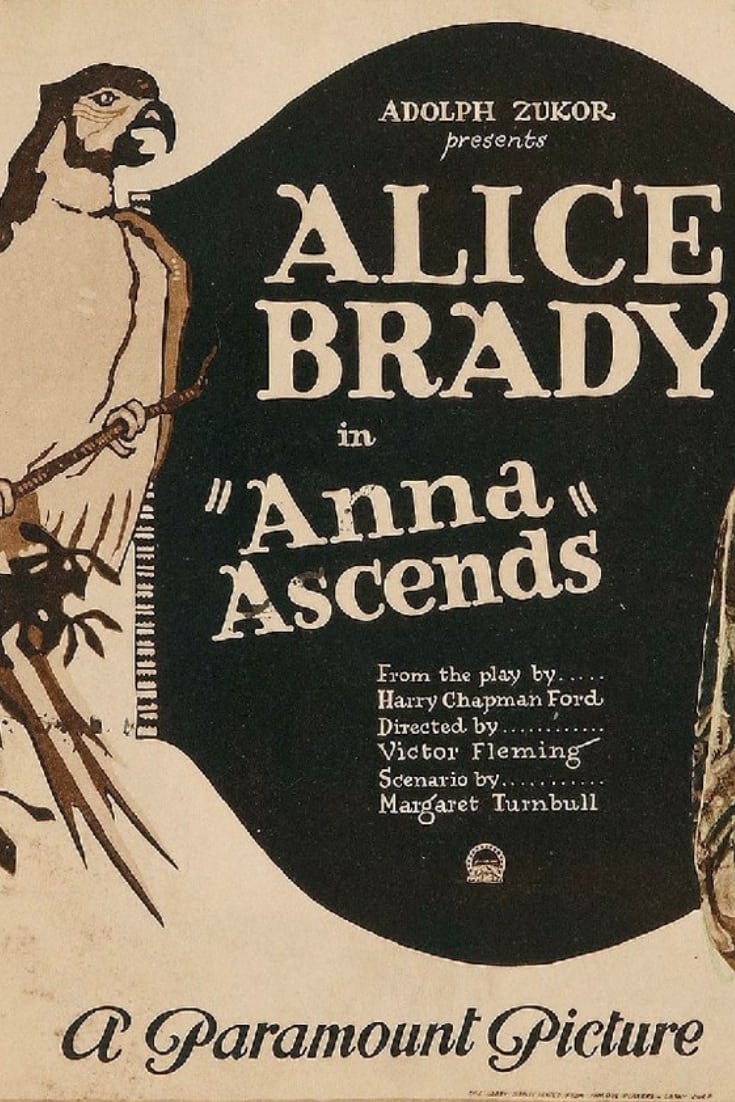
The play moves into production with lobby card marketing and stage rehearsals. Gregory Orfalea later documents Ford's inspiration in his historical book, preserving the narrative's cultural significance as it transitions to 1922 cinema.
Key Events
-
Literary Documentation — Gregory Orfalea records Ford's inspiration in his historical book.
Location: Book Publication
-
Theatrical Promotion — Lobby cards are distributed to market the upcoming play.
Location: Broadway Theater
-
Virgin Field Claim — Ford positions Syrian stories as an untapped dramatic territory.
Location: Cultural Discourse
-
Film Adaptation Context — The stage narrative transitions to the silver screen format.
Location: 1922 Cinema
-
Stage Preparation — Rehearsals and set design begin for the Broadway production.
Location: Theater Backstage
-
Audience Engagement — The public experiences the Syrian immigrant narrative on stage.
Location: Broadway House
-
Cinematic Transition — The stage story adapts to the visual medium of 1922 cinema.
Location: Film Studio
-
Legacy Preservation — The play's cultural impact is documented for future generations.
Location: Historical Record