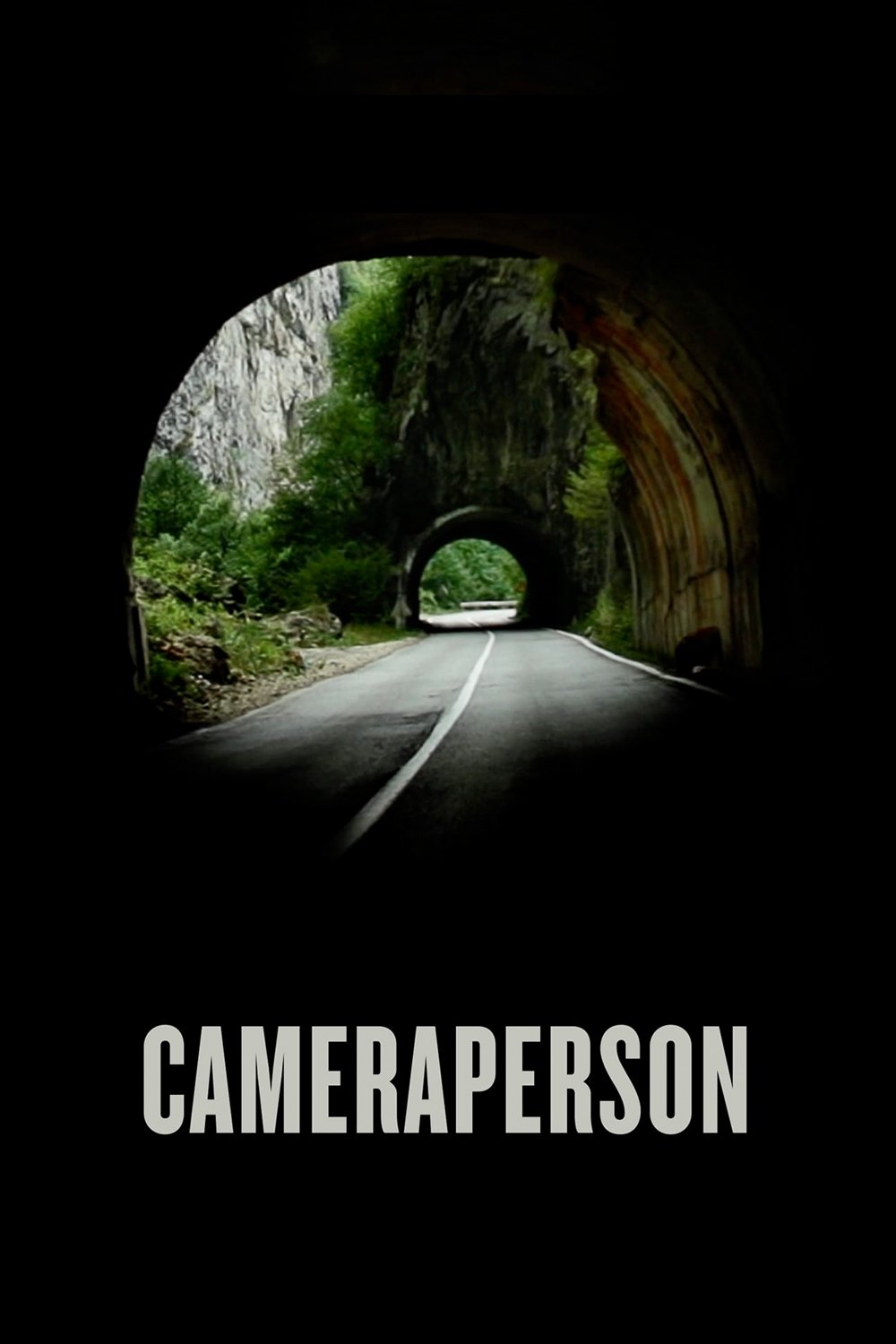
Plot Analysis Summary
A fragmented documentary examines how observation, memory, violence, and denial shape both recorded lives and the person behind the camera.
Story Structure — 5 Plot Phases
Ordinary Life Under Observation
The film begins with natural images and fragments of work, birth, performance, and philosophical reflection. Ordinary scenes gradually acquire darker implications through evidence from a murder case.
Key Events
-
Wildflowers and Sheep — The film opens with quiet observations of wildflowers, sheep, and ordinary outdoor life.
Location: Outdoor landscape
-
Boxing Training — A boxing trainer prepares a fighter for an upcoming match.
Location: Boxing gym
-
Midwife Describes Birth — A midwife describes an unexpectedly easy delivery and the constant arrival of babies.
Location: Clinic
-
Being Filmed — A philosophical conversation examines how people behave when they know they are being filmed.
Location: Interior conversation
-
Murder Evidence Clothing — Clothing collected as evidence in a murder case turns ordinary objects into reminders of violence and loss.
Location: Evidence storage
Private Burdens and Mortal Care
Personal testimony introduces pregnancy, parenthood, guilt, grief, and childhood encounters with death. The documentary connects intimate crises without forcing them into a single conventional narrative.
Key Events
-
Unintended Pregnancy — A young woman speaks about an unintended pregnancy, work, and raising a child alone.
Location: Clinic
-
Fear of Another Child — She expresses guilt and fears that she cannot manage another child.
Location: Clinic counseling room
-
Counselor Offers Reassurance — A counselor insists that the pregnancy does not make the woman a bad person.
Location: Clinic counseling room
-
Remembering a Former Home — A family remembers a former home during a quiet domestic conversation.
Location: Family home
-
Dead Bird at Home — The family gently deals with a dead bird, connecting care, mortality, and childhood understanding.
Location: Family home
-
Grief and Memory — A person describes losing a brother through memories, dreams, anxiety, anger, and grief.
Location: Interior conversation
Ethics Across Distance
Political and scientific discussions broaden the film's scope from individual pain to moral refusal and hidden connections. A boxing dispute turns public performance into an emotionally volatile confrontation.
Key Events
-
Refusing to Return — A soldier refuses to return to war despite the possibility of imprisonment.
Location: Interview setting
-
Rejecting Participation in Killing — The soldier explains that he will not participate in killing people who pose no threat.
Location: Interview setting
-
Quantum Entanglement Explained — A speaker explains quantum entanglement as a hidden connection across space and time.
Location: Scientific discussion
-
Interconnected Lives — Images create connections between otherwise unrelated lives and conversations.
Location: Montage
-
Disputed Boxing Decision — After a disputed decision, the defeated fighter protests that his hard work has been stolen.
Location: Boxing arena
-
Crowd Tries to Calm Fighter — Others try to calm the defeated fighter while the world watches.
Location: Boxing arena
Frustration and Self-Control
A breakdown in a disordered room becomes a concentrated image of emotional overload. Cleaning offers a limited but tangible movement toward control.
Key Events
-
Frustration Erupts — A person overwhelmed by frustration lashes out amid a disordered room.
Location: Disordered room
-
Cleaning and Regaining Control — The person begins cleaning and tries to regain control.
Location: Disordered room
The Filmmaker Faces Denial
The filmmaker reflects on war footage and admits having blocked out its darker implications. A friend's reaction forces an honest confrontation with memory, omission, and the act of filming.
Key Events
-
Returning From War Stories — The filmmaker reflects on returning from filming serious stories about war.
Location: Interior reflection
-
The Blueberries Explanation — After blocking out darker material, the filmmaker presents the movie as a story about blueberries and land.
Location: Conversation with a friend
-
Friend Exposes Denial — The friend's reaction exposes the filmmaker's denial about the darker material.
Location: Conversation with a friend
-
Confronting the Camera — The documentary ends by confronting how filming, remembering, and forgetting shape the recorded world and filmmaker.
Location: Final montage