Story Structure — 4 Plot Phases
Avant-Garde Conception
Fernand Léger and Dudley Murphy initiate the project, defining its Dadaist and post-Cubist artistic vision. The creative team establishes the foundational experimental framework for the film.
Key Events
-
Conceptualization Phase — Fernand Léger and Dudley Murphy conceive the Dadaist art film project.
Location: Creative Studio
-
Script Development — The duo writes the experimental narrative framework for the film.
Location: Writing Room
-
Co-Directing Setup — Léger and Murphy establish their shared directing responsibilities.
Location: Production Office
-
Cinematography Integration — Man Ray provides crucial cinematographic input to the visual style.
Location: Film Set
-
Musical Composition — George Antheil composes the accompanying musical score for the film.
Location: Music Studio
Technical & Artistic Integration
Man Ray joins to shape the cinematography while George Antheil composes the musical score. The team merges visual experimentation with auditory elements to refine the silent version.
Key Events
-
Musical Composition — George Antheil composes the accompanying musical score for the film.
Location: Music Studio
-
Dadaist Style Definition — The team solidifies the Dadaist and post-Cubist aesthetic direction.
Location: Art Gallery
-
Post-Cubist Visuals — Post-Cubist imagery is integrated into the experimental footage.
Location: Editing Suite
-
Silent Version Editing — The silent version is finalized for its initial public screening.
Location: Post-Production Lab
-
Vienna Exhibition Planning — Frederick Kiesler organizes the film's presentation at the exposition.
Location: Exhibition Hall
Exhibition Preparation
Frederick Kiesler organizes the premiere logistics at the International Exposition for New Theater Technique in Vienna. The venue is prepared for the historic screening event.
Key Events
-
Vienna Exhibition Planning — Frederick Kiesler organizes the film's presentation at the exposition.
Location: Exhibition Hall
-
International Exposition Setup — The venue is prepared for the premiere of the experimental work.
Location: Internationale Ausstellung neuer Theatertechnik
-
Premiere Date Confirmation — September 24, 1924 is set as the official premiere date.
Location: Vienna Theater
-
Kiesler Presentation — Frederick Kiesler officially presents the film to the audience.
Location: Vienna Stage
Premiere & Historical Legacy
The silent version premieres on September 24, 1924, marking a milestone in experimental filmmaking. The work gains recognition and secures its status as a major avant-garde achievement.
Key Events
-
Kiesler Presentation — Frederick Kiesler officially presents the film to the audience.
Location: Vienna Stage
-
Audience Screening — The silent experimental film is screened for the first time.
Location: Vienna Auditorium
-
Experimental Reception — Critics and viewers react to the avant-garde cinematic techniques.
Location: Vienna Press
-
Historical Classification — The work is formally recognized as a major early experimental film.
Location: Film Archives
-
Avant-Garde Legacy — The film influences subsequent generations of experimental filmmakers.
Location: Cinema History
-
Dadaist Movement Impact — The project becomes a cornerstone of the Dadaist art movement.
Location: Art History
-
Cinematic Innovation — Scholars analyze its post-Cubist visual language and editing.
Location: Film Theory
-
Musical Collaboration Study — Antheil's score is studied for its synchronization with visuals.
Location: Musicology
-
Permanent Archive Status — The film secures its place in permanent cinematic heritage collections.
Location: Global Cinematheques
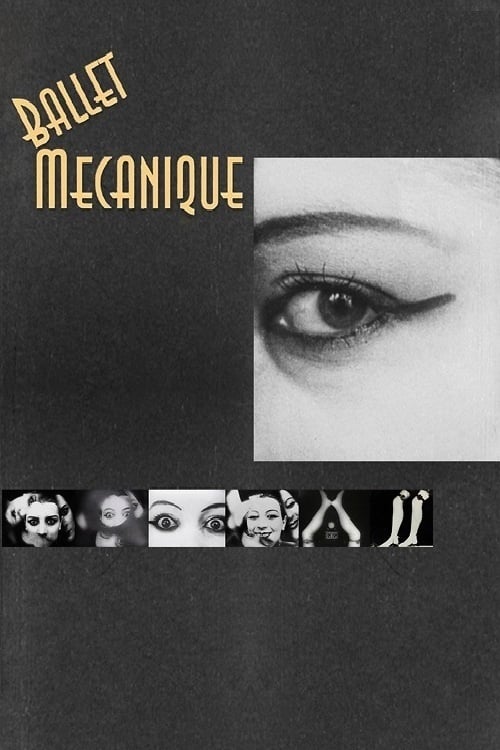
Ballet Mécanique is a Dadaist, post-Cubist art film conceived, written, and co-directed by the artist Fernand Léger in collaboration with the filmmaker Dudley Murphy. It has a musical score by the American composer George Antheil.