Story Structure — 4 Plot Phases
The Apprentice Becomes a Feature
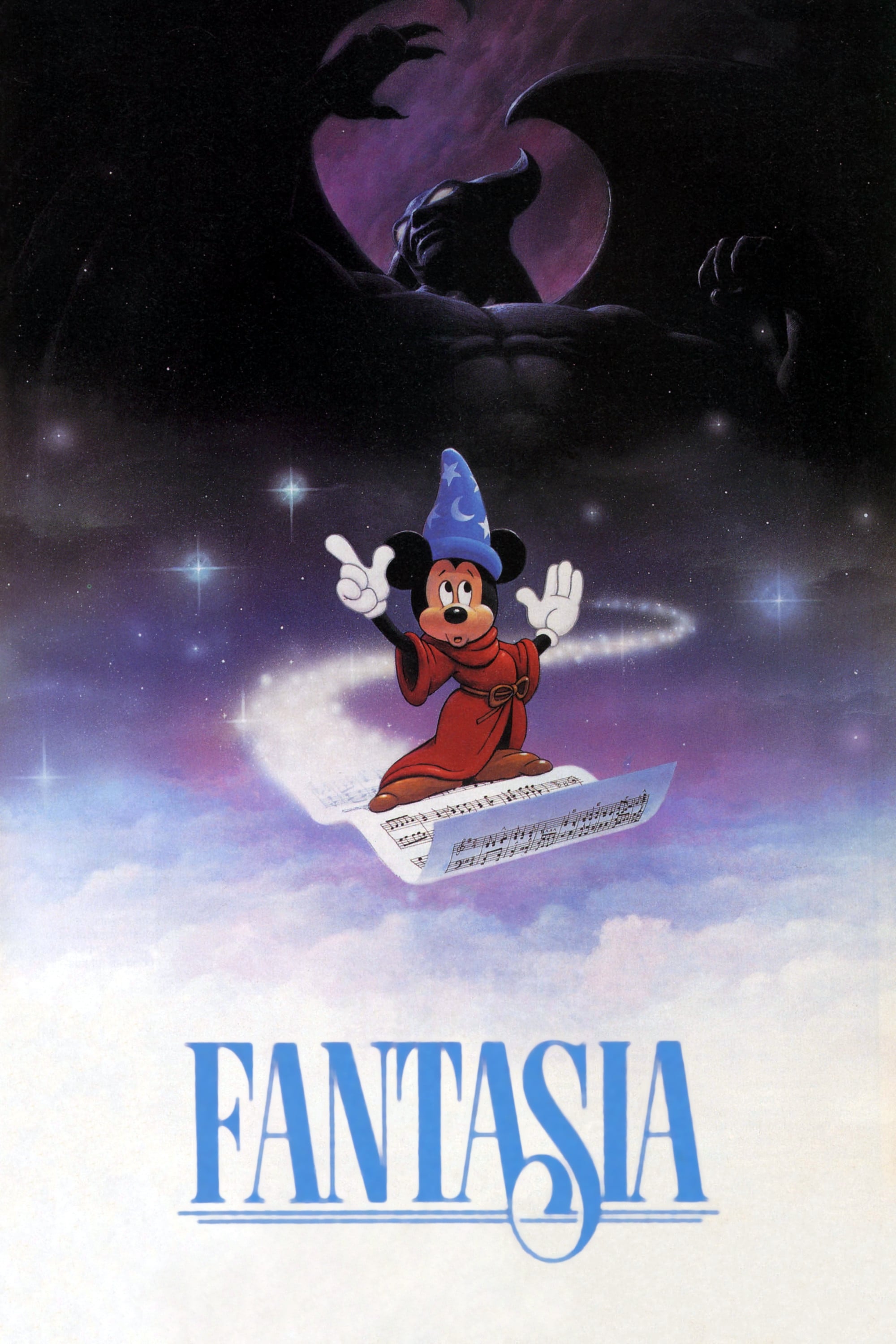
The project began with an elaborate Mickey Mouse apprentice cartoon. As its production costs grew, the concept expanded into a feature composed of multiple segments set to classical music.
Key Events
-
Anthology of Classical Music — The film is structured as eight animated segments set to classical music.
Location: Film presentation
-
Live-Action Introductions — A master of ceremonies introduces each animated segment in live action.
Location: Film presentation
-
Orchestral Soundtrack — The Philadelphia Orchestra performs seven of the film's eight musical selections. Characters: Self - Conductor of The Philadelphia Orchestra
Location: Recording sessions
-
Sorcerer's Apprentice Segment — Mickey Mouse stars in the apprentice sequence, one of the film's musical segments. Characters: Mickey Mouse (segment 'The Sorcerer's Apprentice'), Self - Conductor of The Philadelphia Orchestra
Location: Animated segment
-
Concept Settled — The film's concept was settled as work neared completion on Mickey Mouse's apprentice cartoon. Characters: Mickey Mouse (segment 'The Sorcerer's Apprentice')
Location: Production development
-
Short Expands Into Feature — Rising costs led the production to expand the short into a feature of multiple musical segments. Characters: Mickey Mouse (segment 'The Sorcerer's Apprentice'), Self - Conductor of The Philadelphia Orchestra
Location: Production development
Music and New Sound
The film assembled eight animated segments around classical music, with the Philadelphia Orchestra performing seven selections. Fantasound was developed to reproduce the soundtrack in multiple channels.
Key Events
-
Short Expands Into Feature — Rising costs led the production to expand the short into a feature of multiple musical segments. Characters: Mickey Mouse (segment 'The Sorcerer's Apprentice'), Self - Conductor of The Philadelphia Orchestra
Location: Production development
-
Eight Segments Assembled — The feature brings together eight animated segments set to classical pieces.
Location: Film production
-
Fantasound Developed — A multi-channel sound system was developed to reproduce the film's soundtrack.
Location: Sound production
-
Stereo Presentation — The film became the first commercial film shown in stereo.
Location: Theatrical presentation
The Roadshow Experiment
Fantasia opened as a roadshow in New York City in November 1940 and went on to presentations in thirteen U.S. cities. Its stereo presentation made it a landmark in commercial film exhibition.
Key Events
-
Roadshow Release Begins — The first roadshow presentation opened on November 13, 1940.
Location: Broadway Theatre, New York City
-
Thirteen-City Roadshow — The theatrical roadshow traveled to thirteen U.S. cities between 1940 and 1941.
Location: United States
Costs and Changing Versions
War cut off access to the European market, while production and roadshow expenses prevented the film from making a profit. Later reissues changed, removed, or restored footage and audio, extending the film's history beyond its first release.
Key Events
-
European Distribution Cut Off — World War II cut off distribution to the European market.
Location: Europe
-
Roadshow Costs Weigh — High production costs and the expense of equipment and theater rentals contributed to the film's failure to profit.
Location: Theatrical distribution
-
Repeated Reissues — Later reissues deleted, modified, or restored parts of the original footage and audio.
Location: Film distribution
-
Long-Term Legacy — The film's legacy includes a franchise and a pioneering role in commercial stereo presentation. Characters: Mickey Mouse (segment 'The Sorcerer's Apprentice')
Location: Film history