Supporting Dynamics — Fotograf's role complements the protagonist's arc.
Professional Interaction — Working relationship with Stein.
Narrative Function — Supporting character's impact on plot.
Artistic Composition — Musical and visual elements shape the tone.
Brahms Score — Classical music integration.
Color Cinematography — Visual style by Erich Gusko.
Script Structure — Helga Schütz's original German screenplay.
Dialogue Writing — Character conversations and exposition.
Plot Architecture — Story pacing and scene arrangement.
Production Execution — Director Egon Günther's vision realization.
Direction Style — Cinematic approach and framing.
Editing Process — Monika Schindler's post-production work.
Release Context — 1991 German theatrical distribution.
Runtime Pacing — 109-minute narrative flow.
Audience Reception — Initial viewing and critical response.
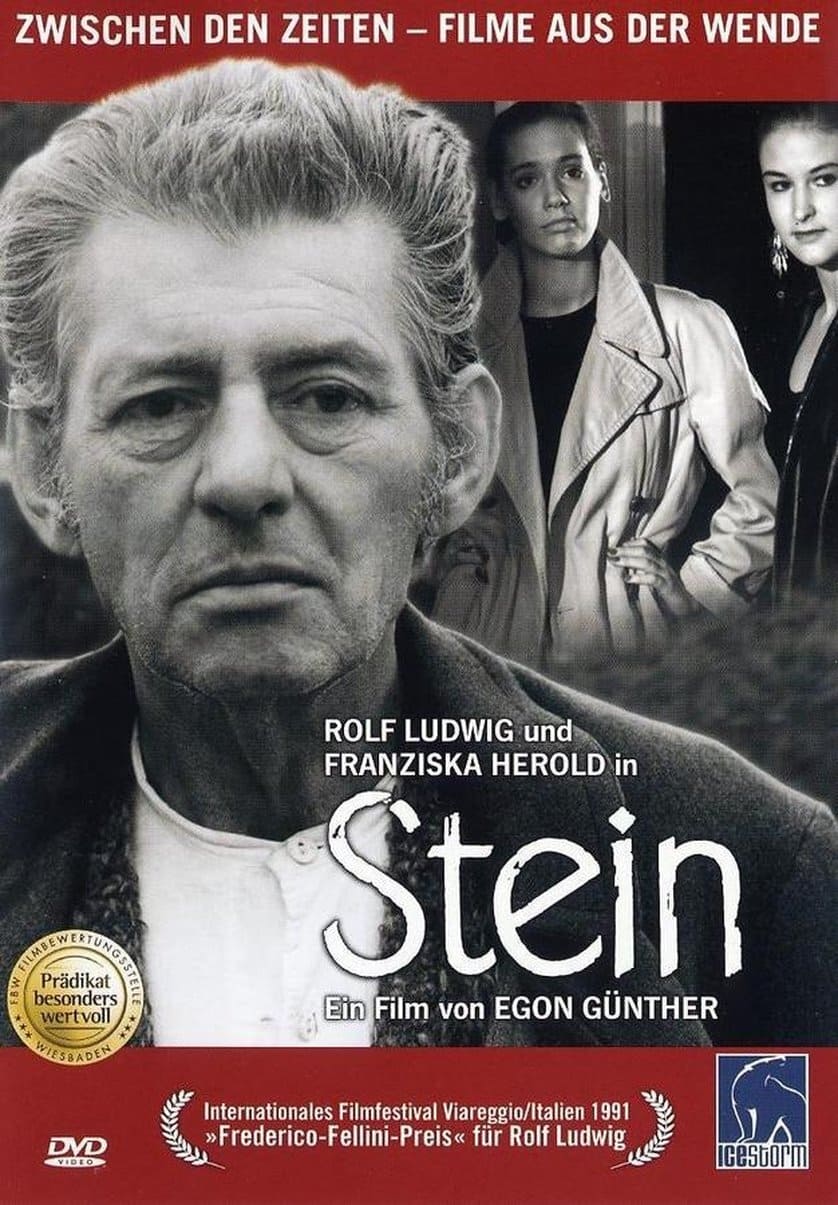
Actor Ernst Stein, having abdicated from the stage in 1968 in protest of the Soviet invasion of Czechoslovakia, has long since retreated from the world around him. In a remote house encircled by an overgrown garden, he lives in a world of dreams and memories. Suddenly, in 1989, an out-of-kilter society sends forth its progeny. Young people, tramps and characters of all sorts take refuge with Stein for a short span, carrying the turmoil of the times into his house.