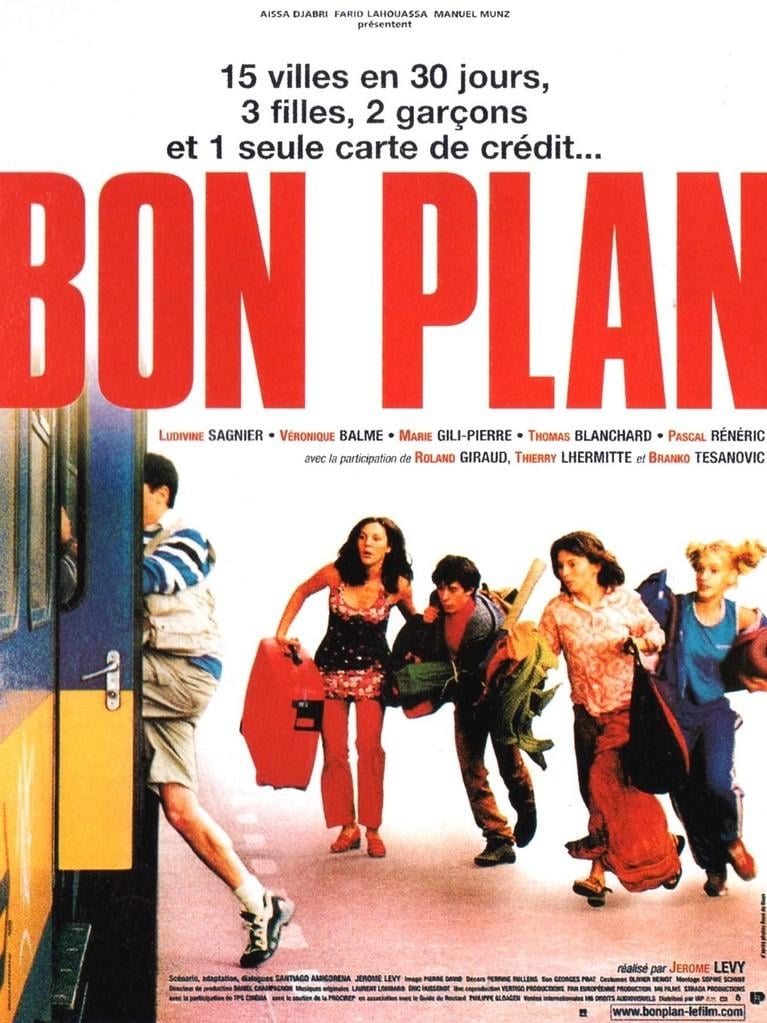
A group of young friends navigates financial constraints, personality clashes, and unpredictable encounters while traveling across Europe by train.
A group of young travelers prepares for a European journey driven by motivation but constrained by a tight budget. Lionel takes charge of the itinerary, heavily relying on travel guides to map out their route.
The group boards the train, and the close quarters quickly expose stark personality differences. Cohabitation proves difficult as differing habits and expectations clash during the initial leg of the trip.
From the Netherlands to Greece, the travelers face a series of unpredictable events and inconvenient meetings. These disruptions force the group to abandon their rigid plans and adapt to the chaos.
Through shared hardships and enriching experiences, the travelers begin to understand each other on a deeper level. Love and friendship emerge as they embrace the unpredictable nature of their road trip.
In this comedy, five French students in their early twenties decide it's time they saw a bit more of the world, so Clementine, Caroline, Lionel, Bruno, and Brigitte buy cut-price rail passes and set out to visit 15 of the great cities of Europe. But it doesn't take long for their great plans to unravel, as the group's desire to see the important sights gets sidetracked by their fondness for partying and the opposite sex, and as they roll through Amsterdam, Berlin, Athens, and Bologna, they stumble into a wide variety of misadventures and meet all manner of unlikely people, from a former teacher who has come rather dramatically out of the closet to a washed-up dance-pop star.
Jérôme Lévy
Rating: 4.7/10 (6 votes)
Plot analysis generated from content on Wikipedia, licensed under CC BY-SA 4.0.
Related entry on Wikidata (Q18578256), public domain (CC0).